
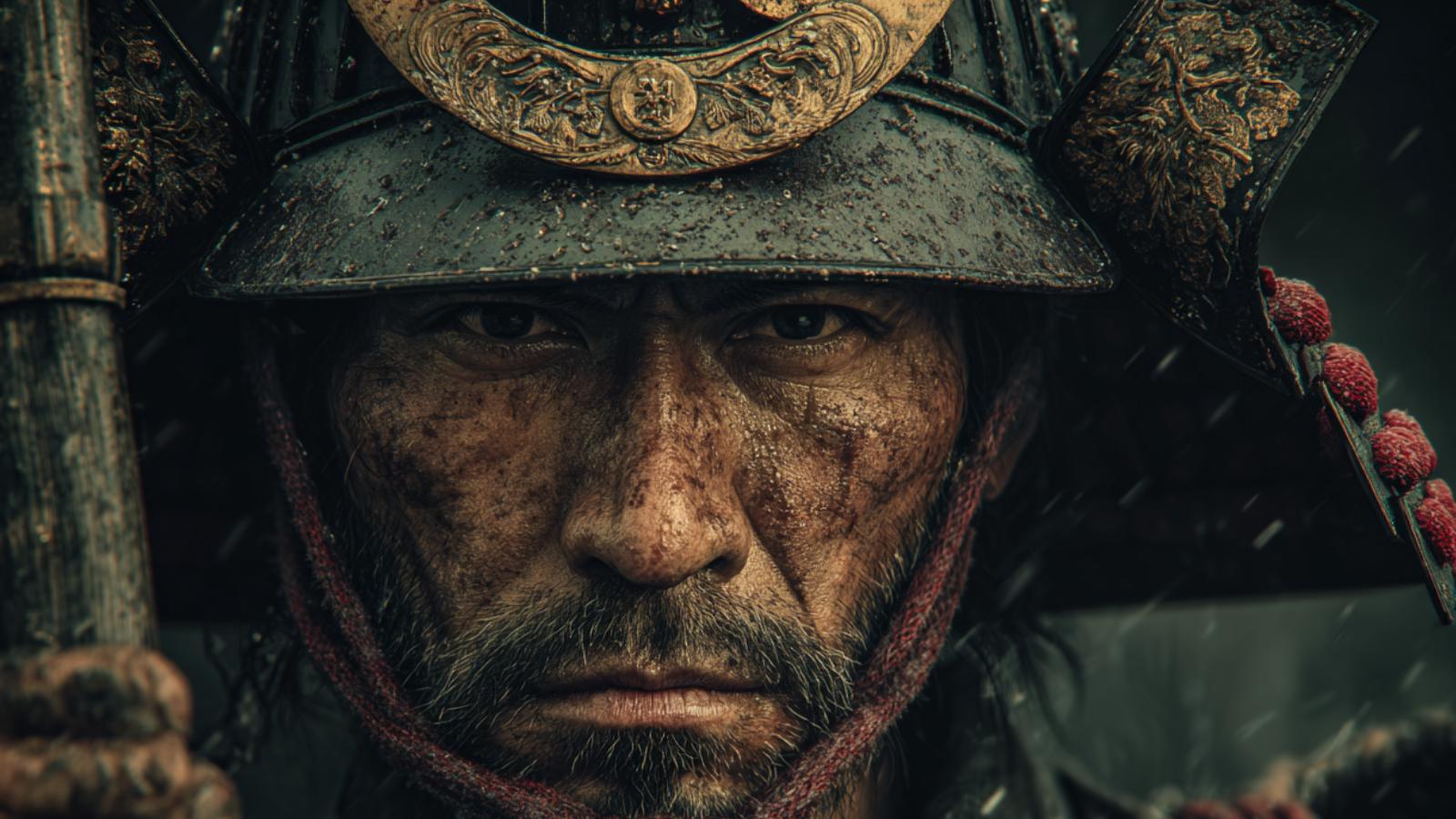
“知恵を尽くして戦いに臨むべし。”
— One must approach battle with all of one’s wisdom.

| Lead 統率 |
Valor 武勇 |
Intel 知略 |
Pol 政治 |
|---|---|---|---|
| 65 | 70 | 72 | 60 |
| Name (JP) | 篠原 一孝 |
|---|---|
| Title | Samurai |
| Clan / Force | Unknown |
| Era | 1562 – 1633 |
| Origin | Suruga |
| Key Battles | |
| Arts | Martial Arts |
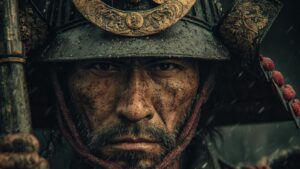
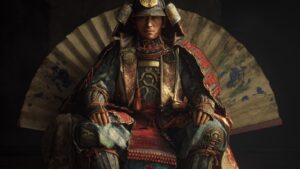
About Shinohara Kazutaka
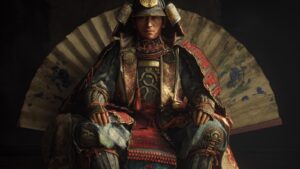
Coming from a samurai lineage, Kazutaka was raised in a martial environment where the arts of war were not only practiced but revered.
His early education included the study of various martial arts, strategy, and the importance of loyalty and honor in warfare.
As Kazutaka matured into adulthood, he joined the service of a local lord where he quickly proved his capabilities on the battlefield.
He demonstrated considerable valor during skirmishes against rival clans, which earned him respect among peers and promoted him through the ranks.
His leadership skills began to shine as he led troops into several minor engagements, earning praise for his tactical decisions, even if he was not yet commanding large armies.
Kazutakas notable participation came during the conflicts leading up to the unification of Japan.
Despite not being a central figure during the great of the era, his contributions to various campaigns helped secure his lords position in Suruga and surrounding areas.
He faced various challenges, including his strategic maneuvers in ambush tactics and siege warfare.
His ability to adapt to changing battlefield dynamics showcased his intelligence and ability to plan effectively under pressure which, although not at the highest echelon of command, marked him as a capable individual on the .
Shinohara Kazutakas life as a samurai reflects the characteristics of many of his contemporaries—loyalty, martial skill, and an unwavering commitment to his lord.
His contributions, though perhaps overshadowed by more famous figures, remain an important part of the tapestry of samurai history.
In the annals of Japans feudal era, Kazutaka represents the diligent, skilled samurai whose rests in the respect he garnered and his dedication to the samurai way of life.
He passed away in 1633, leaving behind a of loyalty and courage that would be remembered by those who followed.
comment