
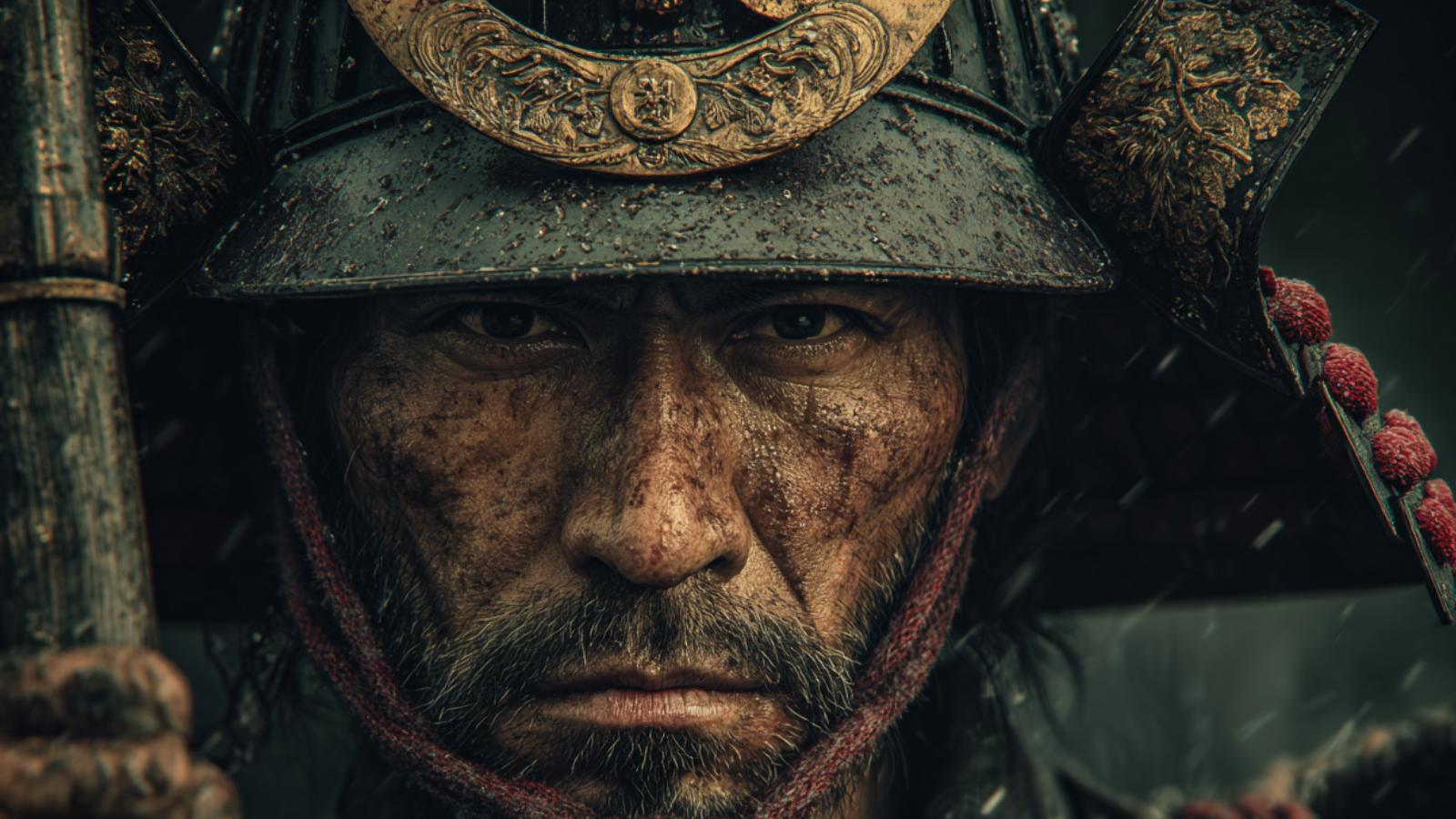
“名誉は刀のように、刃を持つが無用な時もある。”
— Honor is like a sword, sharp but sometimes useless.

| Lead 統率 |
Valor 武勇 |
Intel 知略 |
Pol 政治 |
|---|---|---|---|
| 70 | 75 | 65 | 60 |
| Name (JP) | 清水 宗治 |
|---|---|
| Title | Chief Retainer |
| Clan / Force | Unknown |
| Era | 1547 – 1590 |
| Origin | Kōzuke |
| Key Battles | |
| Arts | Calligraphy |
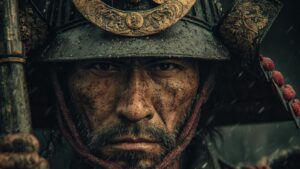
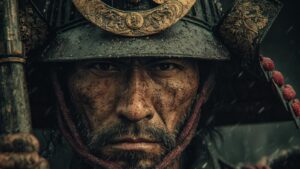
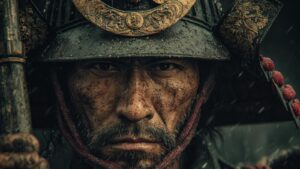
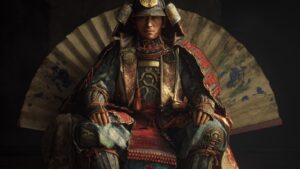
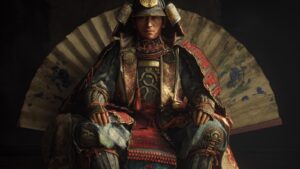
About Shimizu Muneharu
Growing up in a time of constant warfare during the Sengoku period, Muneharu was instilled with the values of bushido from a young age.
His family had a longstanding tradition of service in local clans, which influenced his ambition to become a significant player on the battlefield.
Muneharus began when he joined the service of a local daimyo.
His strong sense of loyalty and honorable conduct quickly earned him a reputation among his peers.
He demonstrated tactical skills during several localized conflicts, earning the respect of powerful generals.
Over time, his ability as a chief retainer became evident, leading to appointments in various roles that required both military acumen and diplomatic efforts.
Throughout his career, Muneharu participated in several key of the late Sengoku period.
He distinguished himself not just through personal valor but also by showing remarkable leadership on the field.
His contributions helped secure victories for his lord, solidifying his status within the samurai class.
Even when outnumbered, Muneharu’s strategic insights often turned the tide in favor of his forces.
Muneharu passed away in 1590, leaving a as a competent warrior and loyal retainer.
Though not as famous as other samurai of the time, his contributions to his lords campaigns have not been forgotten.
His philosophy on honor and service continues to inspire those studying the samurai way, reflecting a crucial aspect of the culture during a transformative era of Japanese history.
comment