
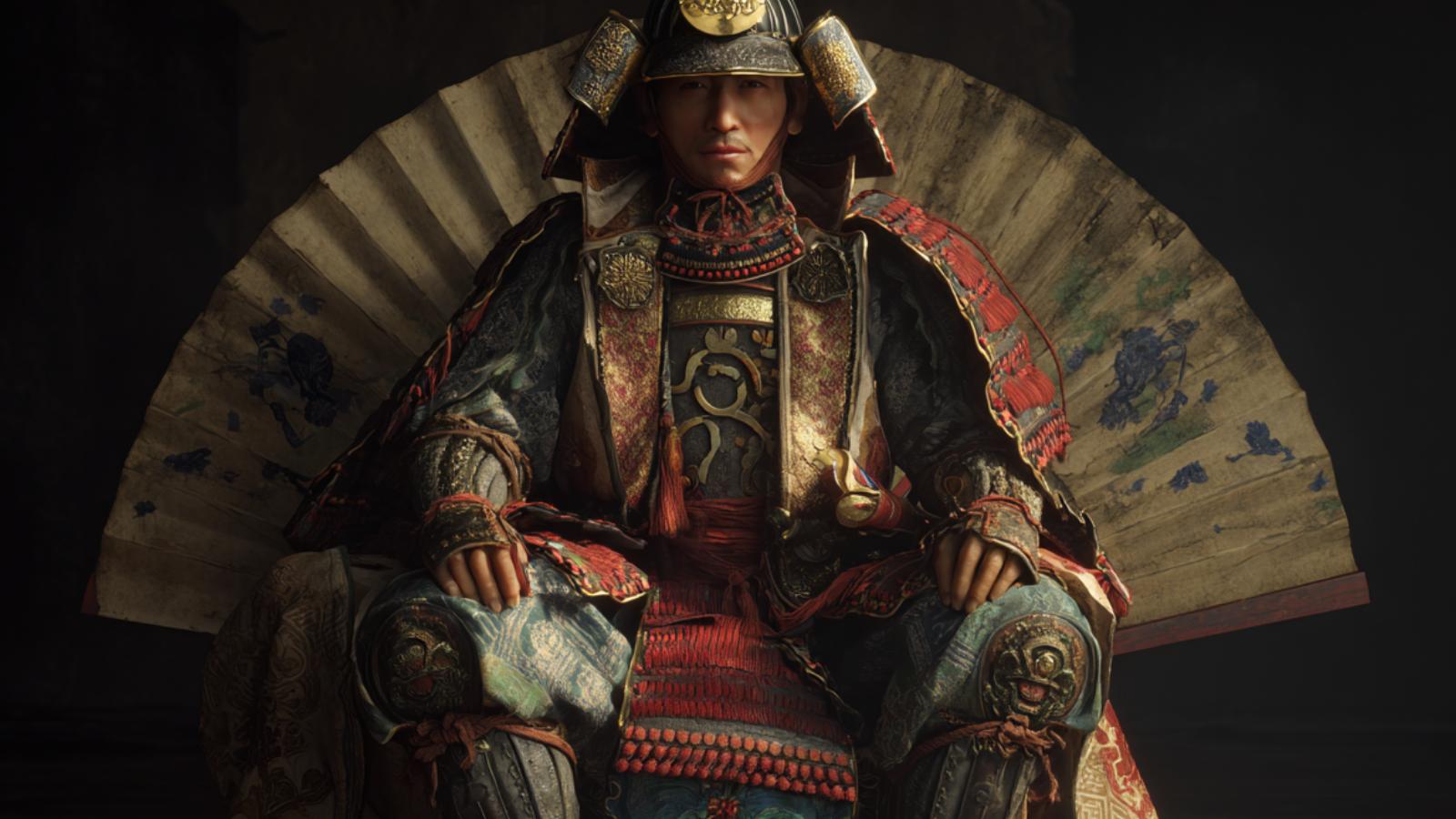
“努力は報われる。”
— Effort will be rewarded.

| Lead 統率 |
Valor 武勇 |
Intel 知略 |
Pol 政治 |
|---|---|---|---|
| 75 | 70 | 80 | 78 |
| Name (JP) | 島津 忠時 |
|---|---|
| Title | Daimyo |
| Clan / Force | Shimazu Clan |
| Era | 1566 – 1620 |
| Origin | Satsuma |
| Key Battles | |
| Arts | Tea Ceremony |
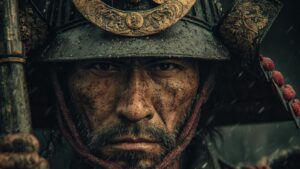
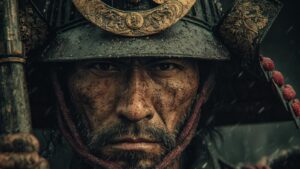
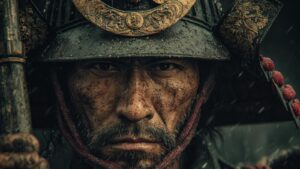
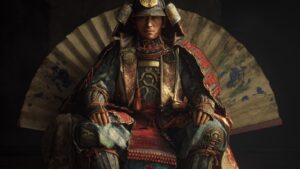
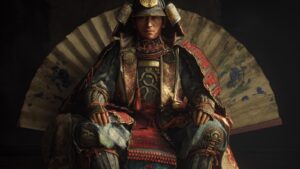
About Shimazu Tadatoki
Growing up in Satsuma, he was trained in both military tactics and the arts, reflecting the duality expected of a samurai in his era.
Tadatoki inherited his fathers position and responsibilities, preparing himself to lead during one of Japans most tumultuous periods.
He became well-versed in the intricacies of governance and the culture surrounding the samurai class, including the tea ceremony, which became a vital aspect of his education and character development.
Inheritating power in the late 16th century, Tadatoki led the Satsuma domain through various challenges, including external threats from rival clans and internal pressures for stability.
He was recognized for his shrewd political maneuvers and established alliances that ensured his clans influence expanded throughout Kyushu.
His ability to balance military expeditions with effective governance made him a respected leader.
By employing both martial prowess and strategic diplomacy, Tadatoki cemented the Shimazus position as a formidable power in the region.
Tadatoki participated in numerous during his rule, notably during the Siege of Osaka in the early 17th century.
Although not a commander in the larger conflicts that shaped Japans history at the time, Tadatokis contributions on the battlefield were considerable.
He ensured that his forces were well-prepared and that his strategies were effective in skirmishes that defined the regional power dynamics.
His commitment to his troops earned him their loyalty and respect, though he often preferred negotiation over direct conflict, which balanced his military actions with a desire for peace when possible.
Shimazu Tadatoki left a lasting impact on the Satsuma domain and is remembered as a capable leader who successfully navigated the transition from the Sengoku period to the Edo period.
His dedication to cultural pursuits, such as the tea ceremony, embodied the values of the samurai and helped bridge the gap between the warrior class and the governing elite.
Tadatokis lives on through the stability of the Shimazu clan in the post-war era and their contributions to Japanese culture and governance.
comment