
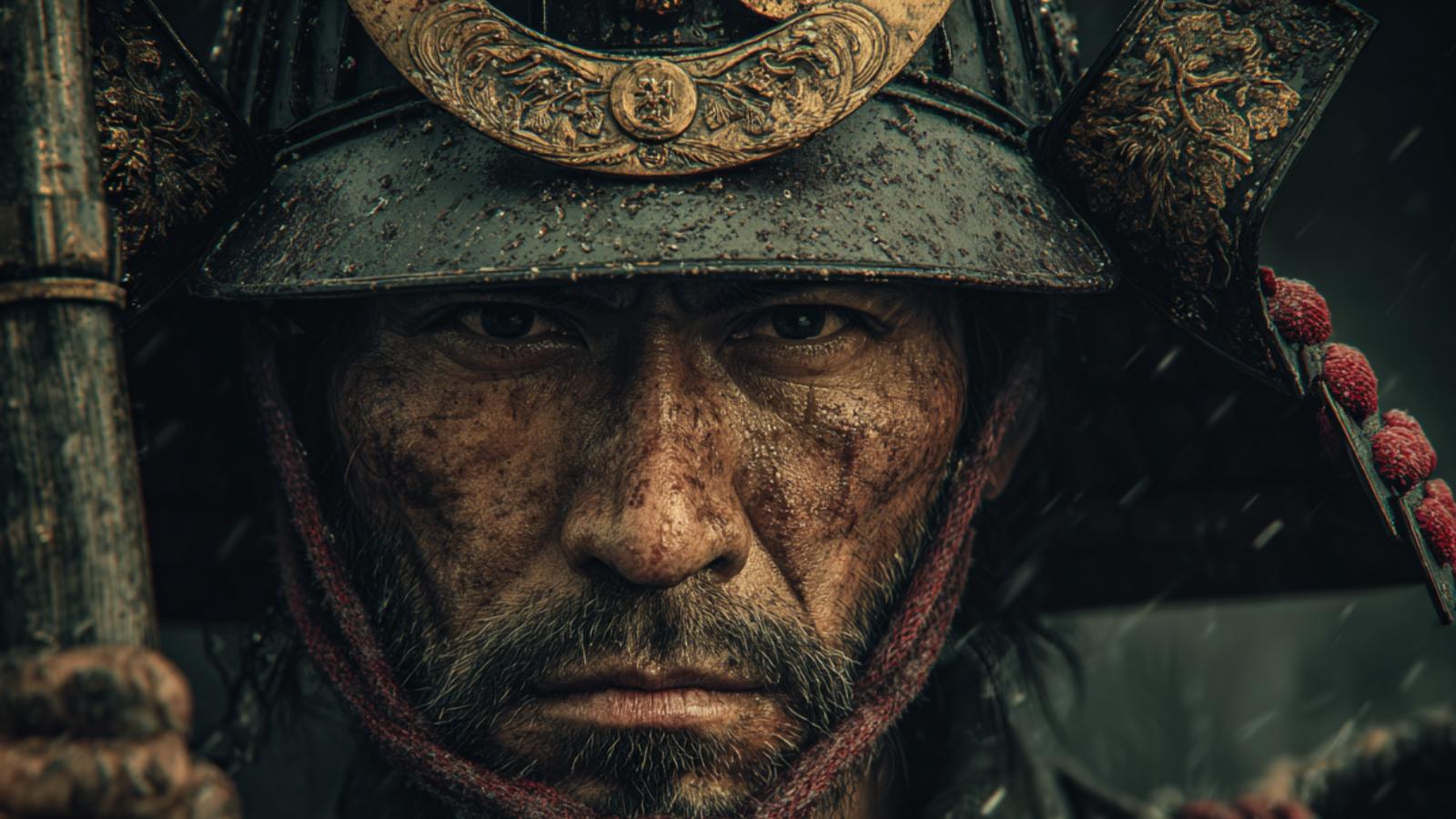
“小さなことを重んじる者が、大きなことを成し遂げる。”
— Those who value small things will achieve great things.

| Lead 統率 |
Valor 武勇 |
Intel 知略 |
Pol 政治 |
|---|---|---|---|
| 65 | 70 | 75 | 60 |
| Name (JP) | 島 清興 |
|---|---|
| Title | Ronin |
| Clan / Force | Unknown |
| Era | 1545 – 1620 |
| Origin | Mikawa |
| Key Battles | |
| Arts | Calligraphy |
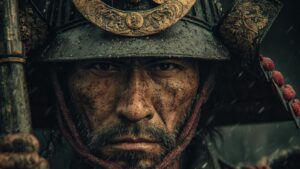
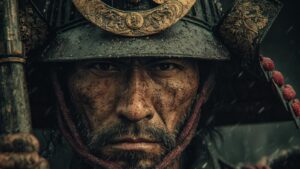
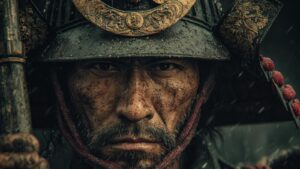
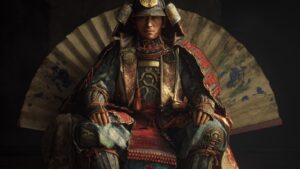
About Shima Kiyooki
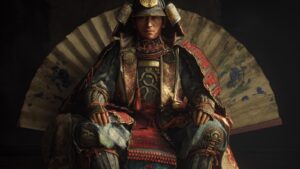
From a young age, he was trained in the arts of combat and governance, reflecting the dual nature of his lineage.
As an adolescent, he displayed both determination and skill, earning the respect of his peers and mentors.
Growing up during the Sengoku period, a time defined by chaos and fragmentation, Kiyooki recognized the importance of strategy and alliances in ensuring his familys safety and status., ,content:Kiyooki came into prominence during the late 16th century when various factions competed for power in Japan.
He served under several local warlords, showcasing his adaptability and tactical brilliance.
Over time, Kiyooki gained a reputation as a capable general.
He was not the most commanding leader but was respected for his insights, especially during critical moments in where intelligence often overcame sheer force.
Through a combination of hard work and strategic marriages, he began to build a reliable following among the lower samurai class, earning their loyalty and support., ,content:Throughout his military career, Kiyooki participated in numerous .
Notable engagements included skirmishes against the Takeda clan and defense efforts against Oda Nobunagas expanding territory.
While he never commanded the largest armies, Kiyooki excelled in smaller tactics, using terrain to outmaneuver larger foes.
His combat skills and personal bravery earned him the nickname The Silent Blade, reflecting his preference for strategy over brute strength in both leadership and personal engagements.
However, his was tempered with losses, as shifting allegiances and betrayals were common in the era., ,content:Shima Kiyookis is preserved not only through his military exploits but also through his contributions to Japanese culture, particularly in calligraphy.
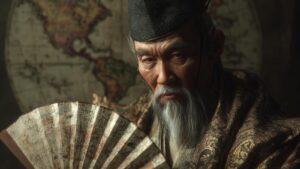
His writings highlighted a philosophical approach to combat, emphasizing thoughtful deliberation rather than reckless aggression.
After his death in 1620, Kiyooki was remembered as a tactical mind whose involvement in the historical narratives of the period fulfilled the warriors code of honor and loyalty.
His life serves as a testament to the evolving role of samurai in Japans complex social and political landscape during a time of change.
comment