
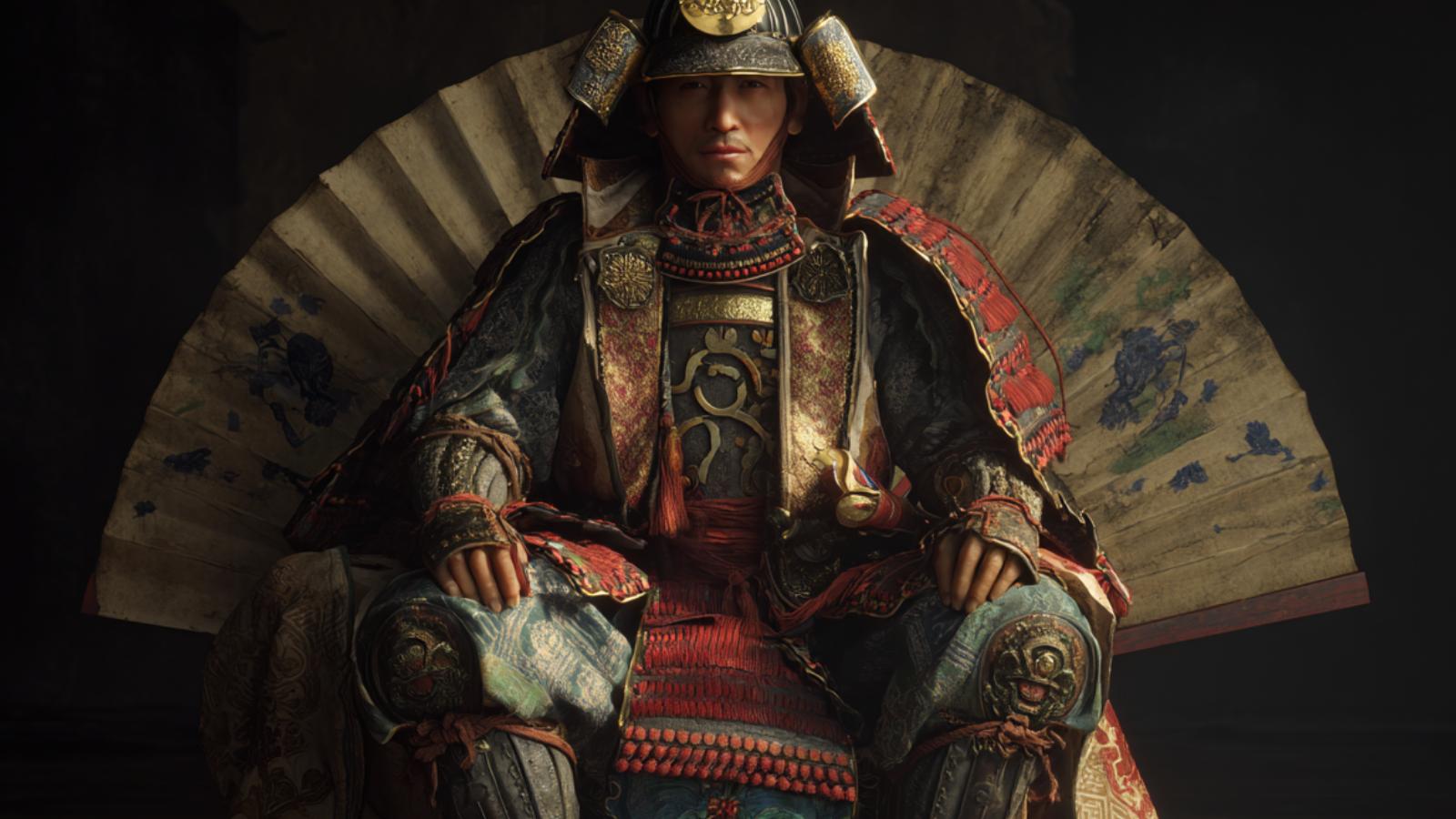
“忠義は武士の本懐である。”
— Loyalty is the essence of a warrior’s purpose.

| Lead 統率 |
Valor 武勇 |
Intel 知略 |
Pol 政治 |
|---|---|---|---|
| 75 | 70 | 80 | 68 |
| Name (JP) | 斯波 義廉 |
|---|---|
| Title | Daimyo |
| Clan / Force | Shiba Clan |
| Era | 1505 – 1582 |
| Origin | Kaga |
| Key Battles | |
| Arts | Noh Theatre |
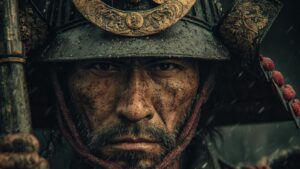
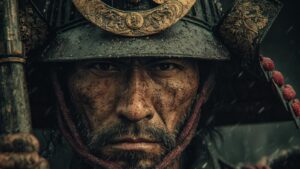
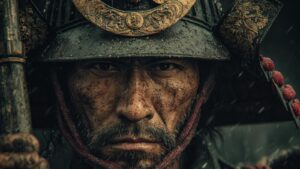
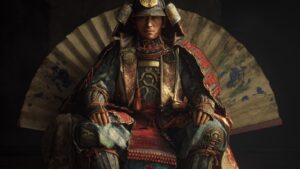
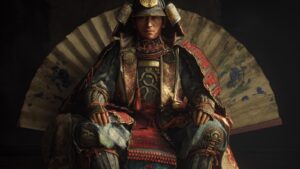
About Shiba Yoshikado
As a member of the Shugo, the clan was known for its military prowess during the tumultuous Sengoku period.
From a young age, Yoshikado was trained in martial arts and governance, preparing him for a future role as a leader among the samurai.
His formative years were marked by the conflicts that characterized the era, shaping his skills in both combat and diplomacy.
Yoshikados to prominence came during the late 1540s when he fought alongside the powerful daimyōs of the time.
His capability as a commander was tested in various territorial disputes, where he successfully led his forces against rival clans.
His reputation as a capable leader grew, earning him the respect of his peers and the loyalty of his troops.
Despite facing numerous challenges, such as betrayals and shifting alliances, Yoshikado managed to maintain his standing and expand his influence in the region.
Throughout his life, Shiba Yoshikado engaged in several key that would impact the balance of power in the Kaga province.
Notably, he played a critical role in the conflicts against the Asakura clan and later became involved in skirmishes against forces aligned with Oda Nobunaga.
His strategic mind allowed him to navigate the complexities of war, though not all engagements yielded victory, he demonstrated resilience and adaptability under pressure.
His valor and leadership gained him a reputation both respected and feared among adversaries.
Yoshikados is one of a loyal vassal and capable leader who contributed to the landscape of the Sengoku period.
He is remembered for his commitment to the samurai code of loyalty and honor, often quoted by his contemporaries for his dedication to his clan.
Even after his death in 1582, his lived on, inspiring future generations of samurai.
His approach to leadership and strategy continues to be studied by historians and enthusiasts of the samurai culture.
comment