
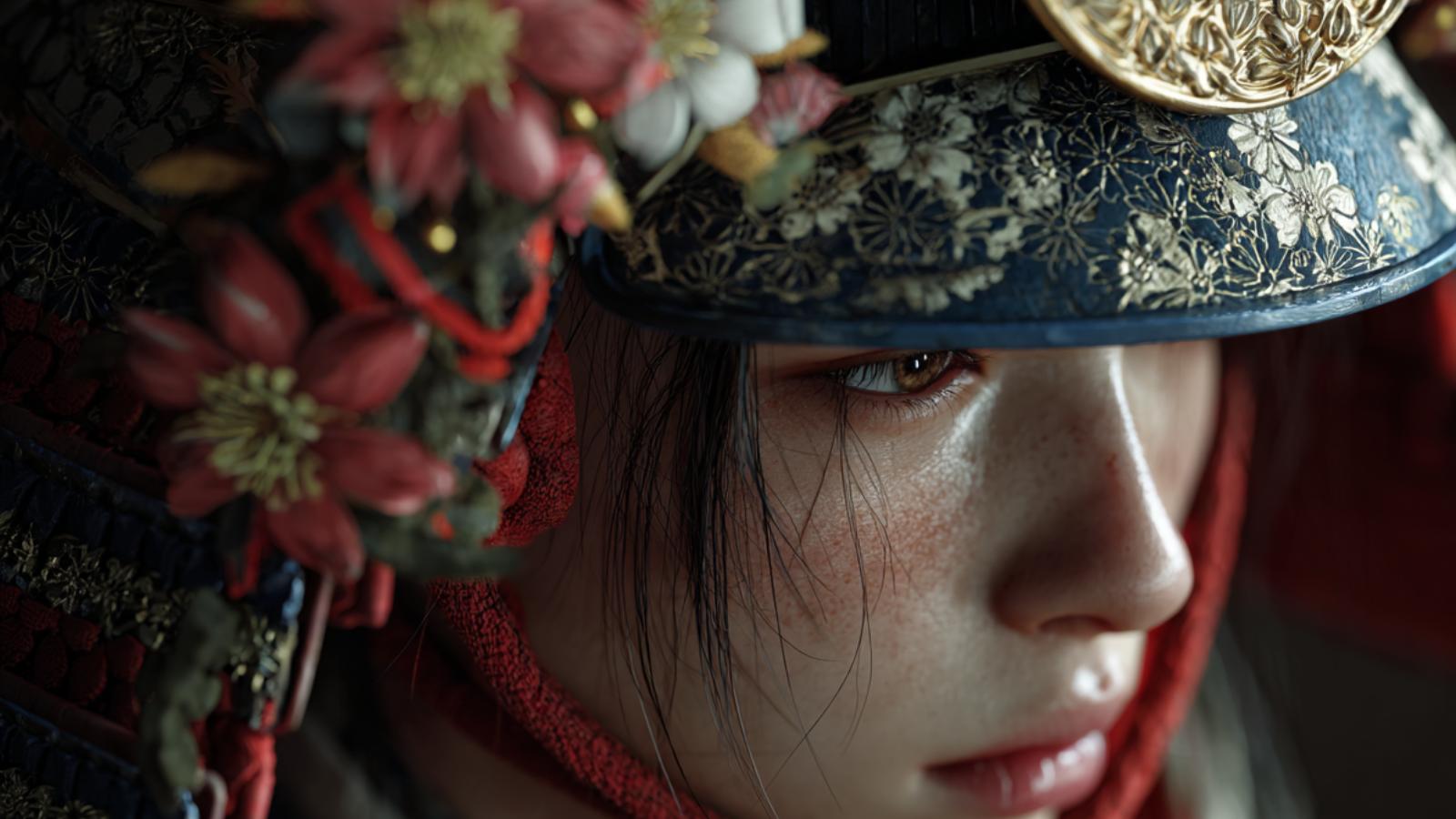
“私の強さは、家族の絆にある。”
— My strength lies in the bonds of family.

| Lead 統率 |
Valor 武勇 |
Intel 知略 |
Pol 政治 |
|---|---|---|---|
| 60 | 50 | 70 | 75 |
| Name (JP) | 千姫 |
|---|---|
| Title | Princess |
| Clan / Force | Tokugawa Clan |
| Era | 1608 – 1649 |
| Origin | Mikawa |
| Key Battles | |
| Arts | Ikebana |
About Senhime
Her family lineage positioned her among the noble classes of Japan, and she was raised in a time of significant political strife and transformation.
As a child of the powerful Tokugawa clan, she was groomed for a future that would involve intricate political maneuvering and alliances, which were vital in the period following Japans unification.
As she grew, Senhimes importance in the political landscape became evident through her marriage prospects.
To secure alliances, she was married to Matsudaira Tadaaki of the Fukuyama Domain, a union that reflected her familys strategy in maintaining influence and securing loyalty from other powerful clans.
Despite the challenges faced due to her husbands eventual rebellion, which led to his demise, Senhime remained a figure of resilience and influence within the Tokugawa narrative.
While Senhime herself did not engage in physical, her life was marked by the political of her time.
The conflicts surrounding her marriage and the loyalty of the Matsudaira clan to the Tokugawa shogunate had far-reaching implications.
Her ability to navigate these tumultuous waters showcased her intelligence and understanding of the political dynamics of the time, contributing to her familys continued prominence in Japanese history.
Senhimes is one of a noblewoman wielding soft power in a male-dominated society.
Her life illustrates the vital role women played in medieval Japanese politics, often influencing the course of events through marriage and familial connections.
Even after her passing in 1649, her influence on the Tokugawa clan persisted, as she remained a symbolic figure representing the strength and importance of familial ties in feudal Japan.








comment