
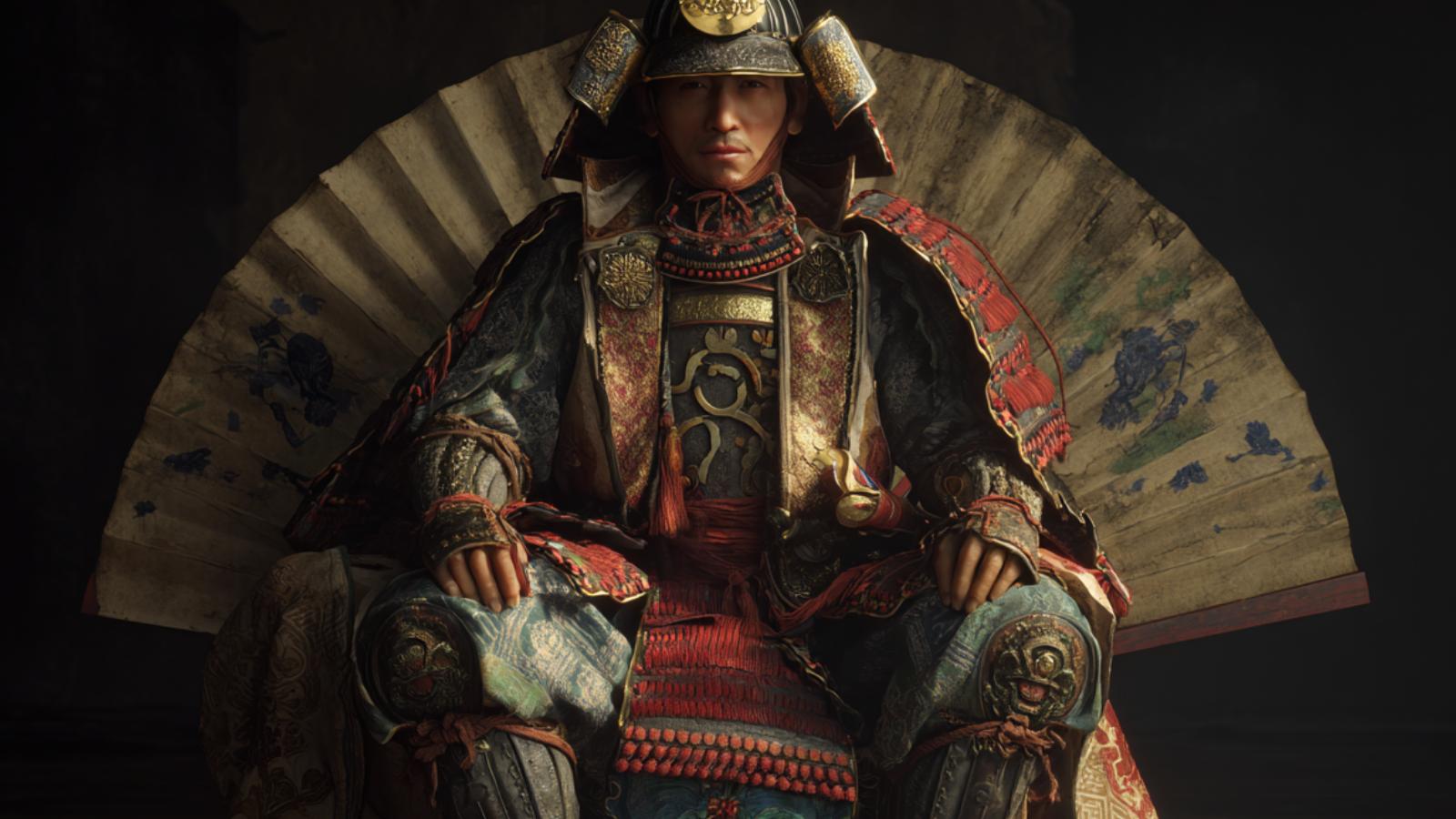
“無知は力の敵である。”
— Ignorance is the enemy of strength.

| Lead 統率 |
Valor 武勇 |
Intel 知略 |
Pol 政治 |
|---|---|---|---|
| 75 | 70 | 70 | 60 |
| Name (JP) | 里見 実堯 |
|---|---|
| Title | Daimyo |
| Clan / Force | Satomi Clan |
| Era | 1534 – 1593 |
| Origin | Chiba |
| Key Battles | |
| Arts | Noh Theater |
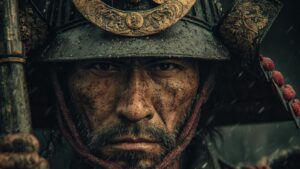
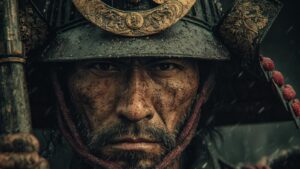
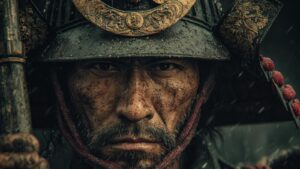
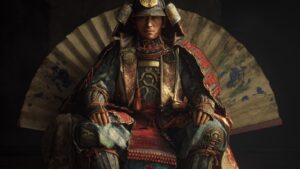
About Satomi Sanetaka
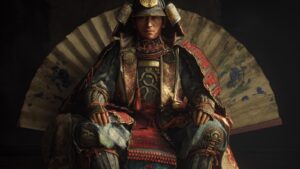
As a member of a prominent family of shugo, or military governors, he was exposed to the art of warfare and governance from an early age.
His was marked by political intrigue, as local clans vied for power amid the chaos of the Warring States period.
Sanetakas upbringing ensured he received a solid education in military strategy, leadership, and the arts, particularly Noh theater, which he would support throughout his life.
Through the years, Sanetaka emerged as a skilled leader within the Satomi clan.
He took the reins of leadership during a tumultuous time, proving himself capable of navigating the complexities of feudal Japans political landscape.
He worked to strengthen the clans position against rivals, such as the Hojo clan, who threatened their territorial integrity.
His ability to engage in diplomacy while also preparing for military confrontation defined his .
In 1560, Sanetaka officially became the head of the Satomi clan, taking on the of daimyo.
He focused on improving the clans defenses and restoring order in the region.
Sanetaka’s military engagements are notable for their tactical cleverness.
He was involved in several skirmishes against the Hojo clan and other rival factions.
He did not merely rely on brute force; instead, he favored strategies that maximized his resources while minimizing direct conflict.
His campaigns are often remembered for their strategic withdraws and unexpected flanking tactics, which allowed his forces to achieve objectives with fewer casualties than traditional frontal assaults would have incurred.
Despite his successes, the constant threat from more powerful clans kept his army in a perpetual state of readiness.
Sanetakas life ended in 1593, but his influence on the region lasted long after his death.
He is remembered not only as a capable daimyo who managed to sustain the Satomi clan during a period of great strife but also as a patron of the arts, particularly Noh theater.
The cultural impact he fostered contributed to the wider appreciation of Japanese arts during and after his time.
His heirs continued to navigate the complex political landscape of feudal Japan, eventually leading to the decline of the Satomi clan as the Tokugawa shogunate established its dominance.
comment