
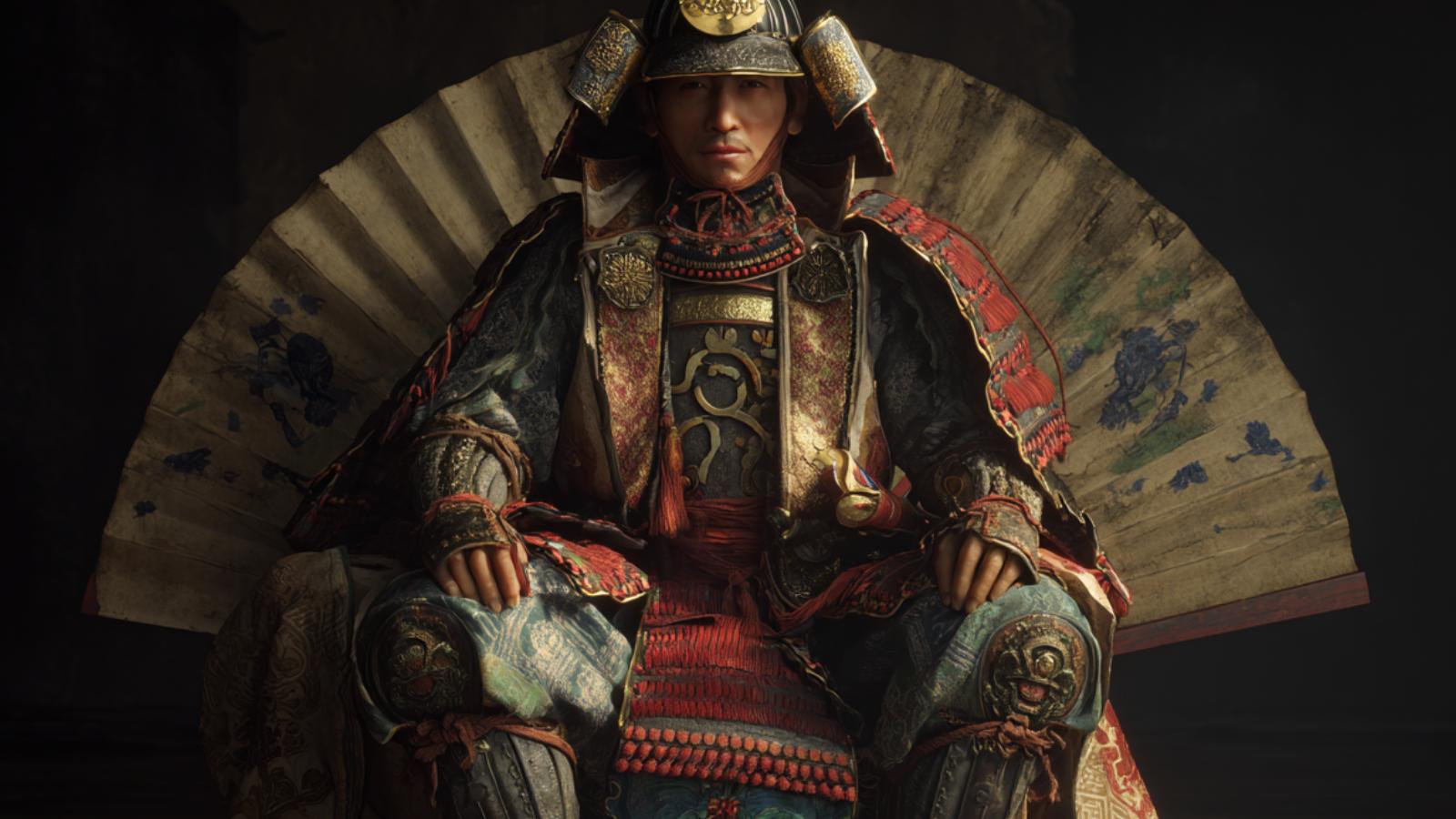
“武士は死を恐れず、名誉を重んじる。”
— A warrior does not fear death, but values honor.

| Lead 統率 |
Valor 武勇 |
Intel 知略 |
Pol 政治 |
|---|---|---|---|
| 78 | 75 | 70 | 72 |
| Name (JP) | 佐竹 義重 |
|---|---|
| Title | Daimyo |
| Clan / Force | Satake Clan |
| Era | 1560 – 1638 |
| Origin | Dewa |
| Key Battles | |
| Arts | Martial Arts |
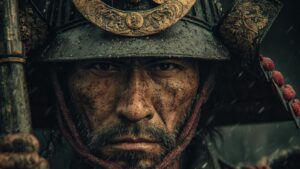
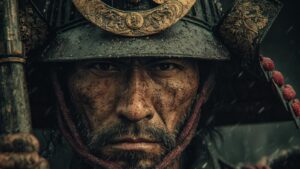
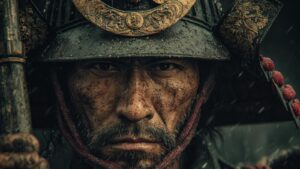
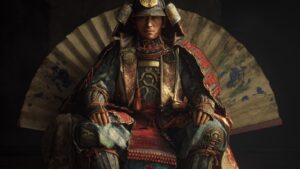
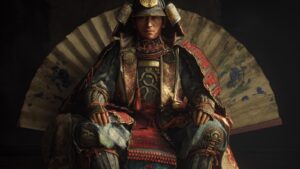
About Satake Yoshishige
Growing up during the tumultuous Sengoku period, he was trained in martial arts and the tactics of war from an early age.
His upbringing in a samurai household instilled in him the values of loyalty and honor, which would guide his actions throughout his life.
Yoshishige rose to prominence during the late 16th century amidst the power struggles between various clans in Japan.
He succeeded his father, Satake Yoshinobu, as the head of the Satake clan and played a significant role in the regions political dynamics.
His leadership qualities became apparent as he forged alliances and wielded considerable influence, most notably through his relationship with Toyotomi Hideyoshi, who was building his power base at the time.
Throughout his career, Yoshishige demonstrated impressive tactical acumen in numerous .
His notable victories include defending his territory against rival clans and participating in larger campaigns under the banner of the Toyotomi.
While he was not as legendary as some contemporaries, his strategic prowess and valor in battle earned him respect among samurai and commoners alike.
Satake Yoshishiges is remembered as one of competence and dedication rather than sheer military genius.
His role in the unification of Japan during the Sengoku period contributed to the eventual stability of the Tokugawa shogunate.
Today, he is recognized as a capable daimyō who balanced the demands of warfare with the responsibilities of governance, leaving an enduring impact on his clans history.
comment