
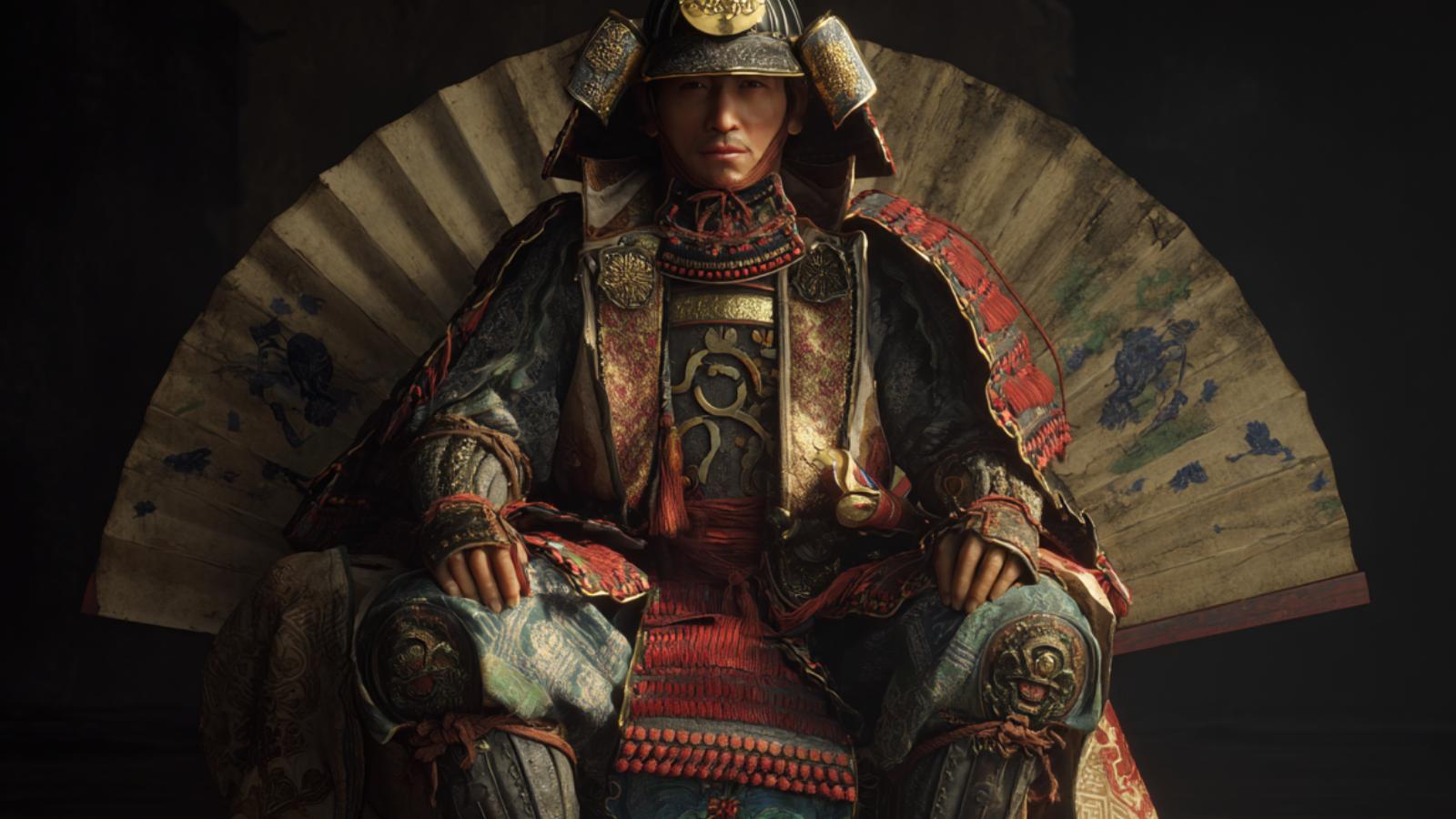
“士は季節に従うべし。”
— A warrior should follow the seasons.

| Lead 統率 |
Valor 武勇 |
Intel 知略 |
Pol 政治 |
|---|---|---|---|
| 76 | 68 | 77 | 72 |
| Name (JP) | 佐々 成政 |
|---|---|
| Title | Daimyo |
| Clan / Force | Uesugi Clan |
| Era | 1536 – 1588 |
| Origin | Echizen |
| Key Battles | |
| Arts | Noh Theatre |
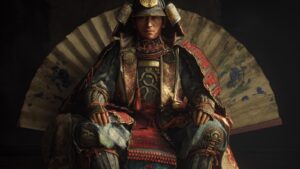
About Sassa Narimasa
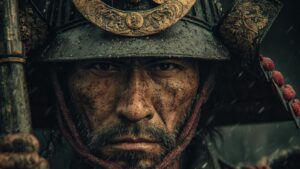
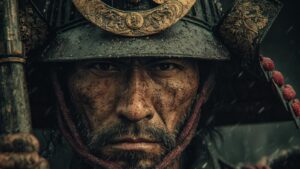
He was raised amidst the tumult of the Sengoku period, which profoundly influenced his outlook on warfare and governance.
Narimasa developed a keen interest in strategy and the arts, particularly Noh theatre, which reflected the culture of his time and shaped his leadership style.
During the 1550s, Narimasa rose through the ranks under the powerful warlords of the period, gaining recognition for his tactical acumen and valor in battle.
He became a trusted retainer and later a daimyo, responsible for managing his domain effectively while also participating in larger military campaigns.
His loyalty to his lord and ability to command troops earned him respect among his peers.
Sassa Narimasa participated in several significant, demonstrating his capabilities as a military leader.
With notable participation in the of Kawanakajima and the siege of Kanagawa, he proved himself both on the front lines and as a key strategist.
However, as the tide of power shifted in Japan, he found himself navigating complex political landscapes that would challenge his rule.
Despite his talents, Narimasas fortunes waned after the of new powerhouses, particularly under Toyotomi Hideyoshi.
Eventually, he was captured and met his end in 1588.
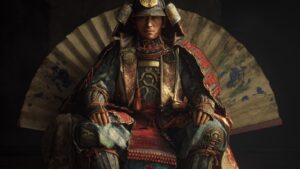
Today, he is remembered as a capable daimyō who embodied the spirit of the Sengoku era, reflecting the intertwining of martial prowess and cultural sophistication during a tumultuous time in Japanese history.
comment