
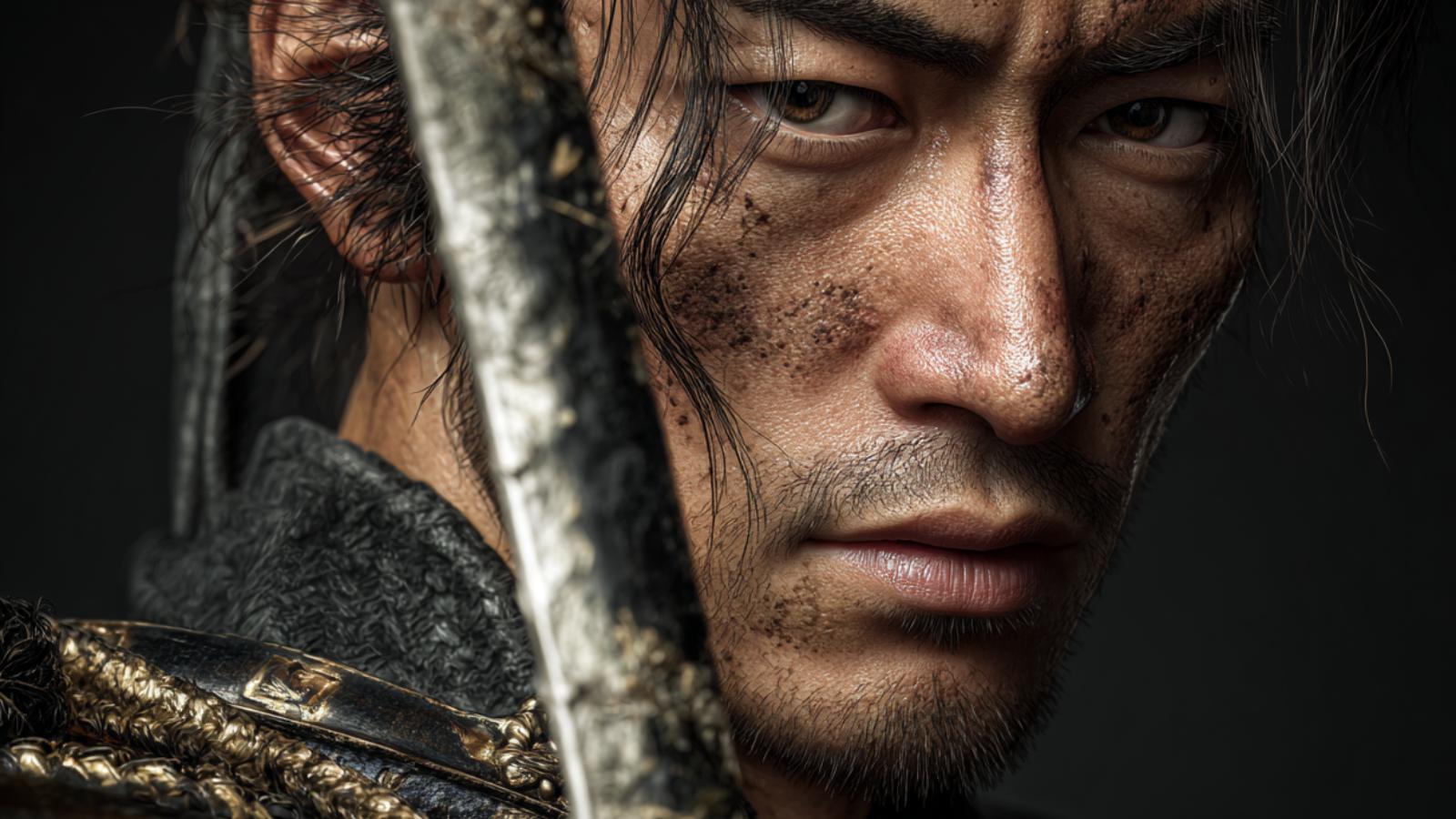
“剣術は生き様である。”
— The way of the sword is a way of life.

| Lead 統率 |
Valor 武勇 |
Intel 知略 |
Pol 政治 |
|---|---|---|---|
| 70 | 85 | 75 | 40 |
| Name (JP) | 佐々木 小次郎 |
|---|---|
| Title | Swordmaster |
| Clan / Force | Unknown |
| Era | 1560 – 1612 |
| Origin | Mutsu |
| Key Battles | |
| Arts | Kendo |
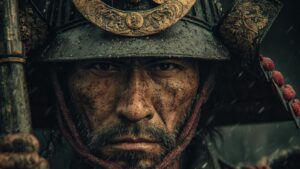
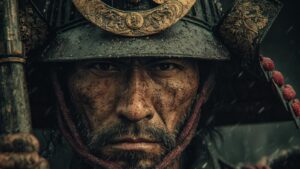
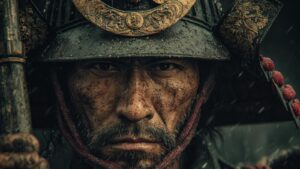
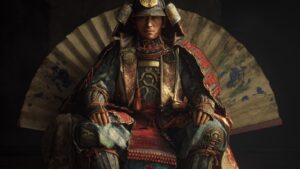
About Sasaki Kojiro
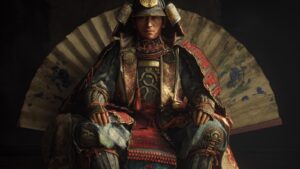
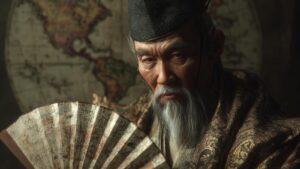
Little is documented about his, but he was believed to have trained rigorously in the art of kenjutsu.
Kojiros talent was evident from a young age, and he soon earned a reputation as a formidable swordsman.
His mastery of the sword, particularly his signature technique Tsubame Gaeshi, showcased his innovative approach to combat, making him a well-respected figure among contemporaries.
As he honed his skills, Kojiro became known as a master duelist and developed a following.
Despite not holding a formal like many of his peers, his prowess on the battlefield gained him admiration.
He operated as a ronin, a wandering warrior, leaving his mark on various locales across Japan.
His rivalry with the legendary Miyamoto Musashi is particularly noteworthy, with their duel at Ganryu Island in 1612 becoming a defining moment in Japanese swordsmanship history.
The legendary duel between Kojiro and Musashi is shrouded in folklore and remains one of the most famous encounters in Japanese history.
It was said that Kojiro fought with extraordinary flair and used his long sword with remarkable precision.
Unfortunately, Musashis strategic thinking and calculating nature ultimately led to Kojiros downfall.
This battle solidified the legend of both swordsmen, but it also underscored Kojiros considerable skills up to his final moments.
His innovative techniques and graceful fighting style have influenced generations of martial artists after him.
Today, Sasaki Kojiro is celebrated not only for his martial skills but also for his artistic approach to the art of swordsmanship.
His techniques and philosophies have been passed down through various martial arts schools.
The character of Kojiro often finds itself depicted in literature, film, and modern media, illustrating the lasting impact he had on Japanese culture and the bushido spirit.
The duel with Musashi remains a symbol of the rivalry that shaped the paths of both swordsmen, with Kojiros as a skilled and noble warrior enduring through the ages.
comment