
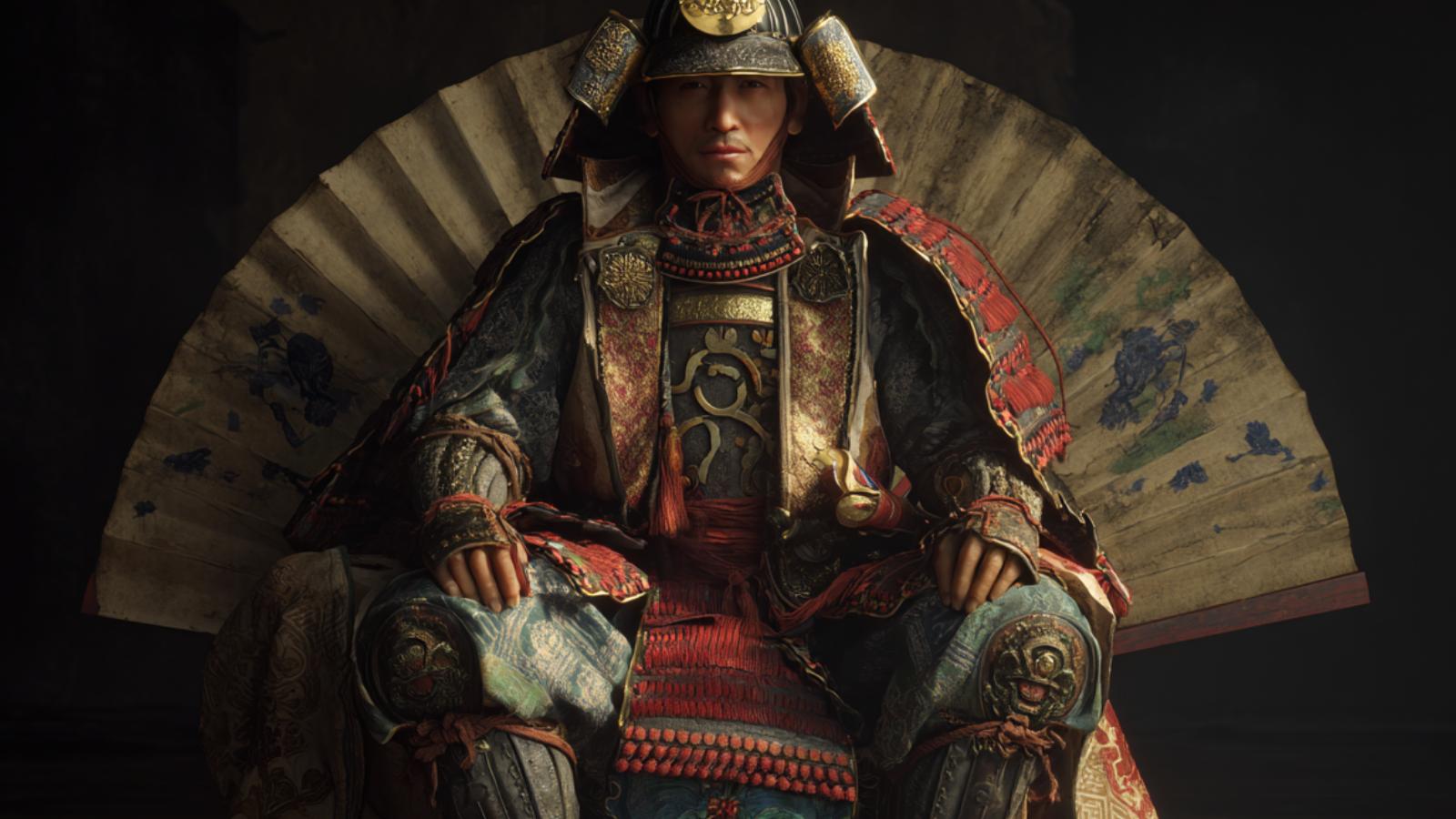
“力を合わせ、未来を切り拓こう。”
— Let us join our strengths and carve out the future.

| Lead 統率 |
Valor 武勇 |
Intel 知略 |
Pol 政治 |
|---|---|---|---|
| 75 | 70 | 80 | 72 |
| Name (JP) | 山吉 豊守 |
|---|---|
| Title | Daimyo |
| Clan / Force | Unknown |
| Era | 1545 – 1612 |
| Origin | Suwon |
| Key Battles | |
| Arts | Ikebana |
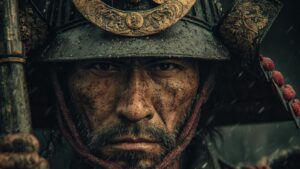
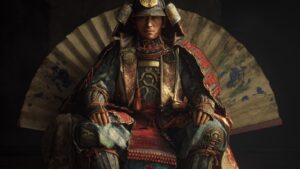
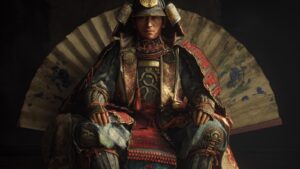
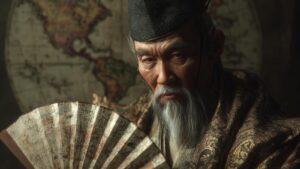
About Sanponji Sadanaga
Coming from a well-respected shugo lineage, Sadanaga was groomed from a young age for leadership and martial prowess.
As a youth, he trained under various local warriors, developing both his combat skills and strategic thinking.
His family instilled in him a sense of duty and honor, preparing him for the tumultuous times ahead.
Rising through the ranks during the Sengoku period, Sadanaga gradually established himself as a capable leader.
He gained recognition for his strategic acumen during several skirmishes against rival clans, and his ability to inspire loyalty among his troops earned him a reputation as a formidable daimyo.
His crucial alliances and decisions during played a significant role in the regional power shifts of the era.
Throughout his career, Sadanaga participated in several notable, contributing to the efforts of unifying Japan.
His strategic intelligence was particularly evident during the Battle of Sekigahara, where he showcased his ability to adapt tactics in real time.
Though his forces were ultimately part of a larger coalition, his leadership and valor did not go unnoticed, and he was admired by both allies and adversaries.
Sanponji Sadanaga passed away in 1612, leaving behind a of leadership and honor.
His contributions to the unification efforts of Japan were recognized, and he is remembered as a symbol of dedication to his clan and service to the realm.
His influence can still be felt in the modern understanding of samurai ethics and governance, inspiring future generations of warriors and leaders.
comment