
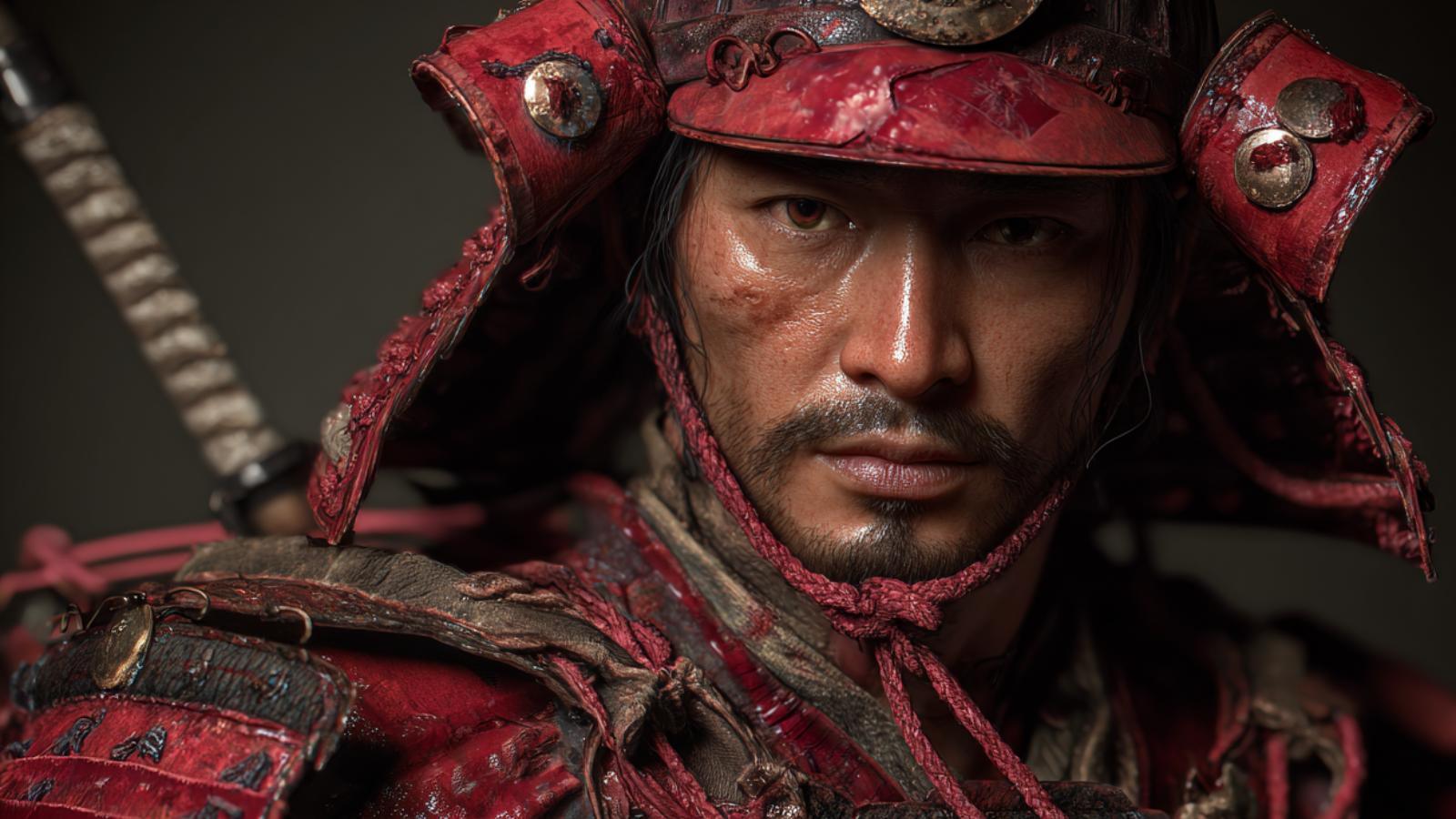
“関東勢百万と候え、男はひとりもなく候。”
— Though the Kanto forces number a million, there is not a single man among them.

| Lead 統率 |
Valor 武勇 |
Intel 知略 |
Pol 政治 |
|---|---|---|---|
| 85 | 90 | 80 | 60 |
| Name (JP) | 真田 幸村 |
|---|---|
| Title | Daimyo |
| Clan / Force | Toyotomi Army |
| Era | 1560 – 1615 |
| Origin | Shinano |
| Key Battles | |
| Arts | Noh Theatre |
About Sanada Yukimura
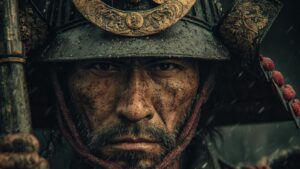
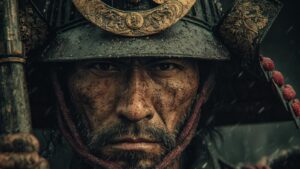
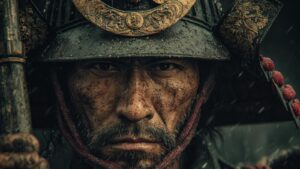
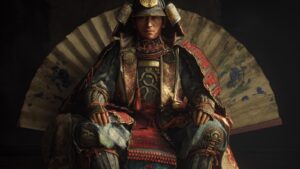
Born into a lineage of warriors, Yukimura received rigorous training in martial arts from an early age, positioning him for a prominent role in the tumultuous conflicts of the Sengoku period.
Yukimuras to prominence was closely tied to his loyalty to the Tokugawa clan and his strategic acumen.
After serving under several influential leaders, he became known for his brilliant military strategies and unyielding bravery.
During his service under the Takeda clan, he distinguished himself in numerous, proving his worth as a commander capable of rallying troops and outmaneuvering enemies even against overwhelming odds.
The most notable period in Sanada Yukimuras life came during the Siege of Osaka in 1614-1615.
Fighting for the Toyotomi clan against Tokugawa Ieyasu, he led his forces with exceptional valor during some of the fiercest confrontations of the era.
The final battle at Osaka Castle solidified his ; even in defeat, Yukimuras courage captured the hearts of many, making him a symbol of loyalty and honor in samurai culture.
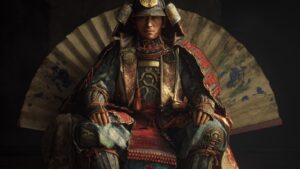
Sanada Yukimuras endures in Japanese history as a representation of the ideal samurai—brave, loyal, and skillful in battle.
He has been commemorated in various forms of art, literature, and modern media, portraying him not only as a skilled warrior but also as a tragic hero of the Sengoku period, whose life and continue to inspire to this day.
comment