
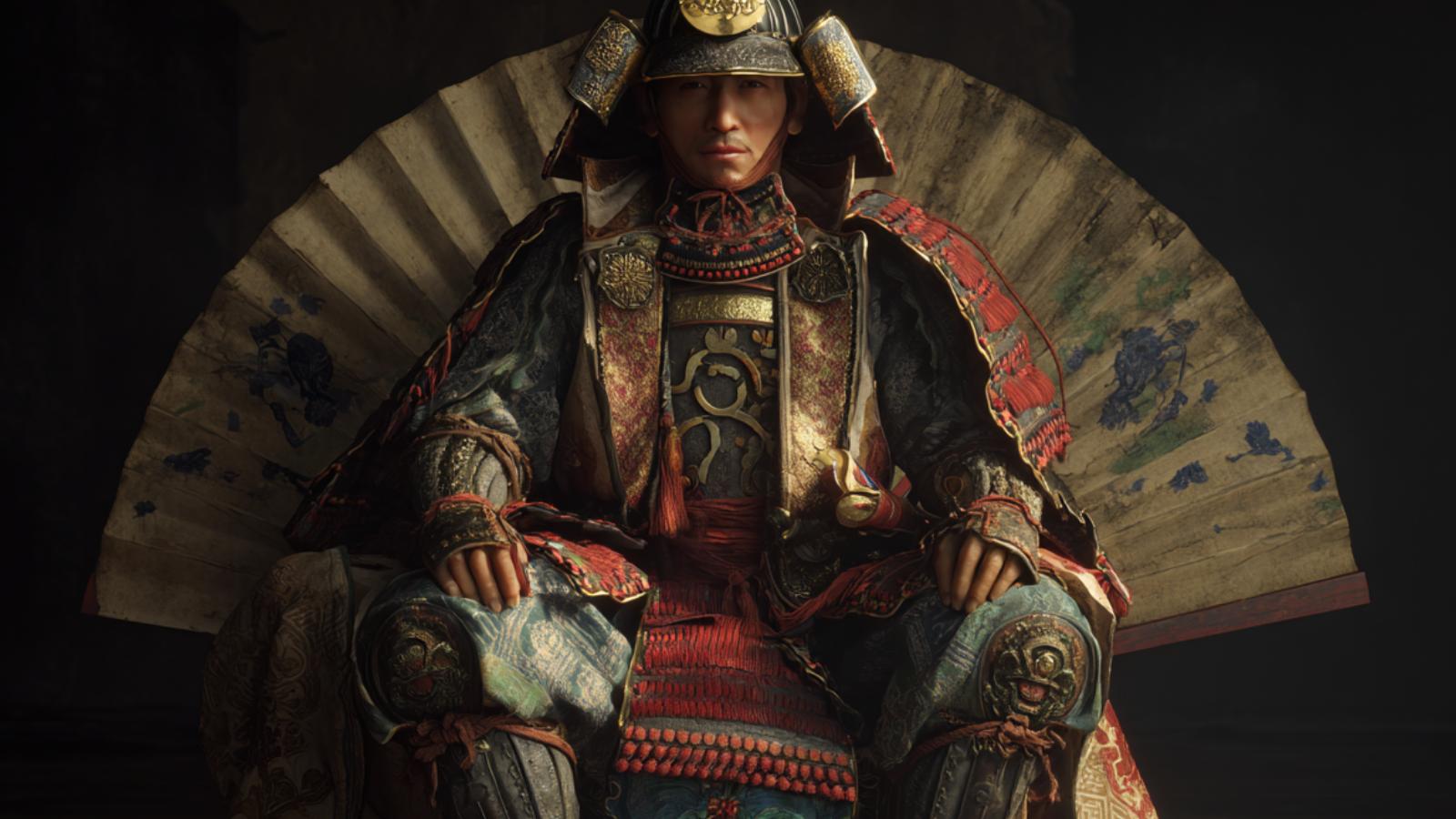
“忠義は我が魂なり。”
— Loyalty is my soul.

| Lead 統率 |
Valor 武勇 |
Intel 知略 |
Pol 政治 |
|---|---|---|---|
| 75 | 70 | 78 | 65 |
| Name (JP) | 真田 昌輝 |
|---|---|
| Title | Daimyo |
| Clan / Force | Sanada Clan |
| Era | 1560 – 1615 |
| Origin | Shinano |
| Key Battles | |
| Arts | Noh Theatre |
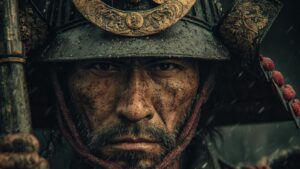
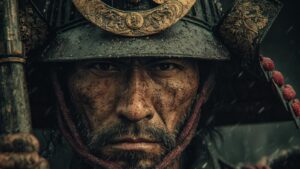
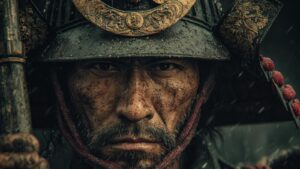
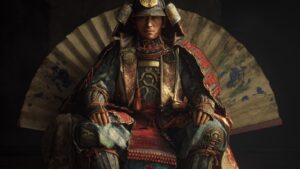
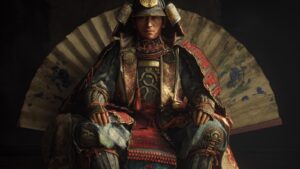
About Sanada Masateru
His family had a long history of serving as loyal retainers to the Takeda clan.
As a child, Masateru was schooled in the arts of war and governance, laying the foundation for his future endeavors.
He was the son of the famous Sanada Masayuki and raised amidst the tumult of the Sengoku period, which deeply influenced his understanding of loyalty and duty.
Masateru rose to prominence during the late 16th century as the Sanada clan became known for their resistance against larger and more powerful warlords.
After the fall of the Takeda clan, Masateru actively participated in various skirmishes and, showcasing his tactical prowess.
He played a crucial role in defending his territory against incursions, particularly during the siege of Ueda Castle.
His cunning and ability to rally his troops earned him recognition as a capable leader, further solidifying the Sanada clans in the region.
Throughout his military career, Masateru fought in numerous, including the famous Battle of Sekigahara in 1600.
While the outcome of the battle was unfavorable for many, Masaterus contributions were acknowledged, particularly his efforts in guerilla warfare and his strategic retreats.
He demonstrated valor on the battlefield, often leading from the front and inspiring those around him.
His ability to adapt to changing circumstances contributed greatly to the survival of his clan during turbulent times.
Sanada Masateru’s extends beyond his military engagements.
After his death in 1615 during the Siege of Osaka, his descendants continued to uphold the values of loyalty and bravery that he championed.
The Sanada clan remains a celebrated symbol of samurai culture, and Masateru’s life continues to inspire stories of honor and resilience in Japanese history.
His quote, Loyalty is my soul, encapsulates his unwavering commitment to his clan and duties, ensuring his place in the annals of samurai lore.
comment