
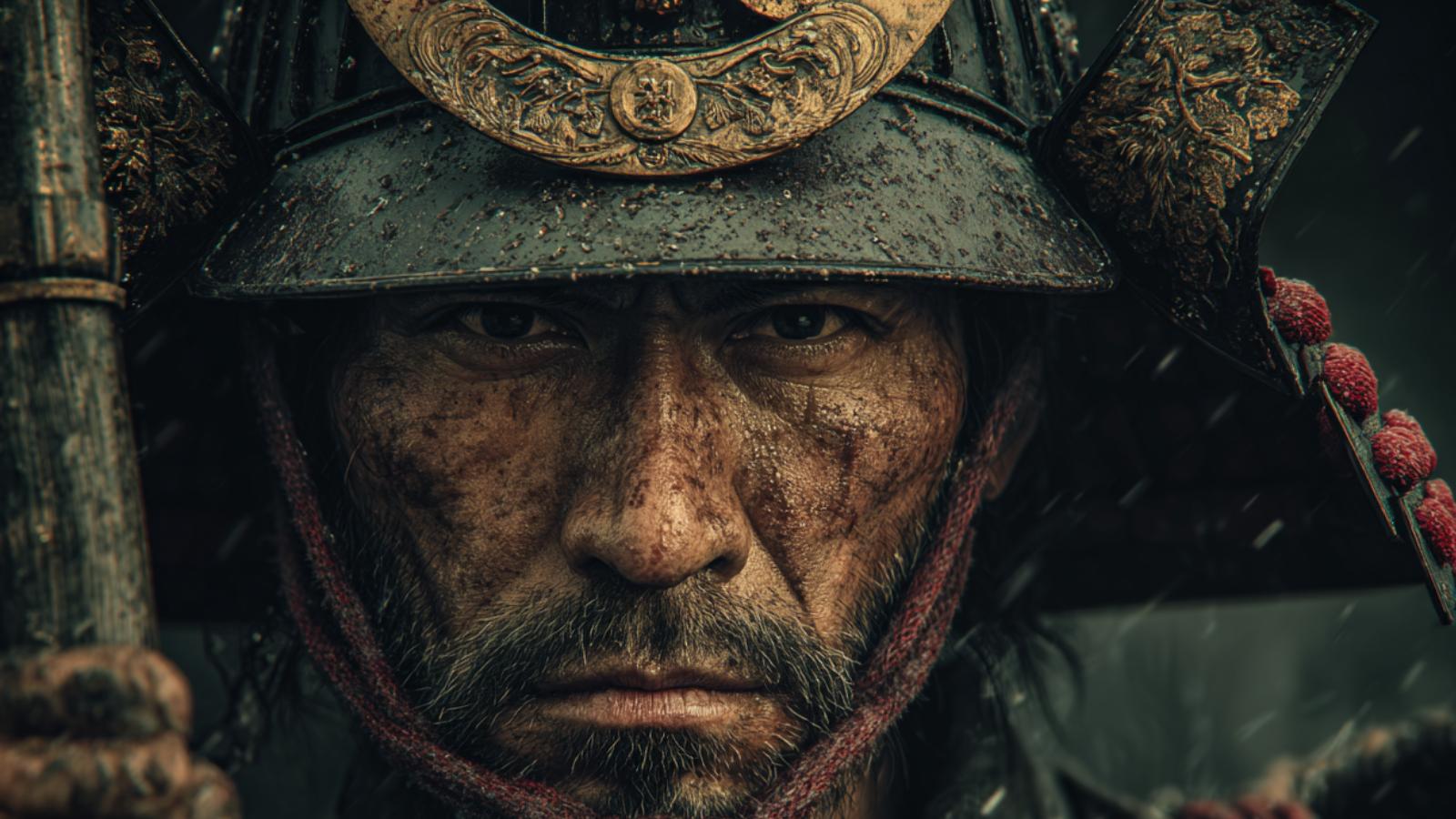
“忠義を尽くす者、戦で勝つ。”
— Those who commit to loyalty will prevail in battle.

| Lead 統率 |
Valor 武勇 |
Intel 知略 |
Pol 政治 |
|---|---|---|---|
| 72 | 78 | 70 | 65 |
| Name (JP) | 真田 大助 |
|---|---|
| Title | Retainer |
| Clan / Force | Sanada Clan |
| Era | 1560 – 1615 |
| Origin | Shinano |
| Key Battles | |
| Arts | Martial Arts |
About Sanada Daisuke
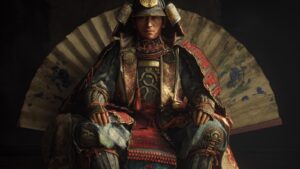
He was the son of a samurai and raised within the Sanada clan, which was known for its military prowess and staunch defense of its territory against various rival clans.
Early in his life, Daisuke was trained rigorously in the art of swordsmanship and other martial skills, laying the foundation for his future as a capable warrior.
As a retainer of the Sanada clan, Daisuke quickly rose through the ranks due to his dedication and skills on the battlefield.
He fought under the command of his father, and later, his uncle, during the many skirmishes that characterized the clans enduring struggle against the forces of Nobunaga and later the Tokugawa shogunate.
His bravery in earned him respect among his peers and cemented his status as an essential asset to the clan.
Daisuke was involved in several key of the Sengoku period, most notably the Siege of Ueda in 1585, where his tactical acumen and bravery helped the Sanada forces repel much larger armies.
He also participated in the Battle of Sekigahara in 1600, navigating the complex alliances and treacheries that defined the conflict.
Though ultimately the Sanada clan was forced to pledge allegiance to Tokugawa Ieyasu, Daisukes actions in these demonstrated his commitment and skill as a warrior, even amidst overwhelming odds.
Sanada Daisukes lies not only in his military capabilities but also in his unwavering loyalty to the Sanada clan.
His life exemplified the samurai code of bushido, emphasizing honor and loyalty above all else.
Although he did not achieve the same legendary status as famous generals, he remains a respected figure in samurai history, representing the many loyal retainers who served their lords during the tumultuous years of feudal Japan.




comment