
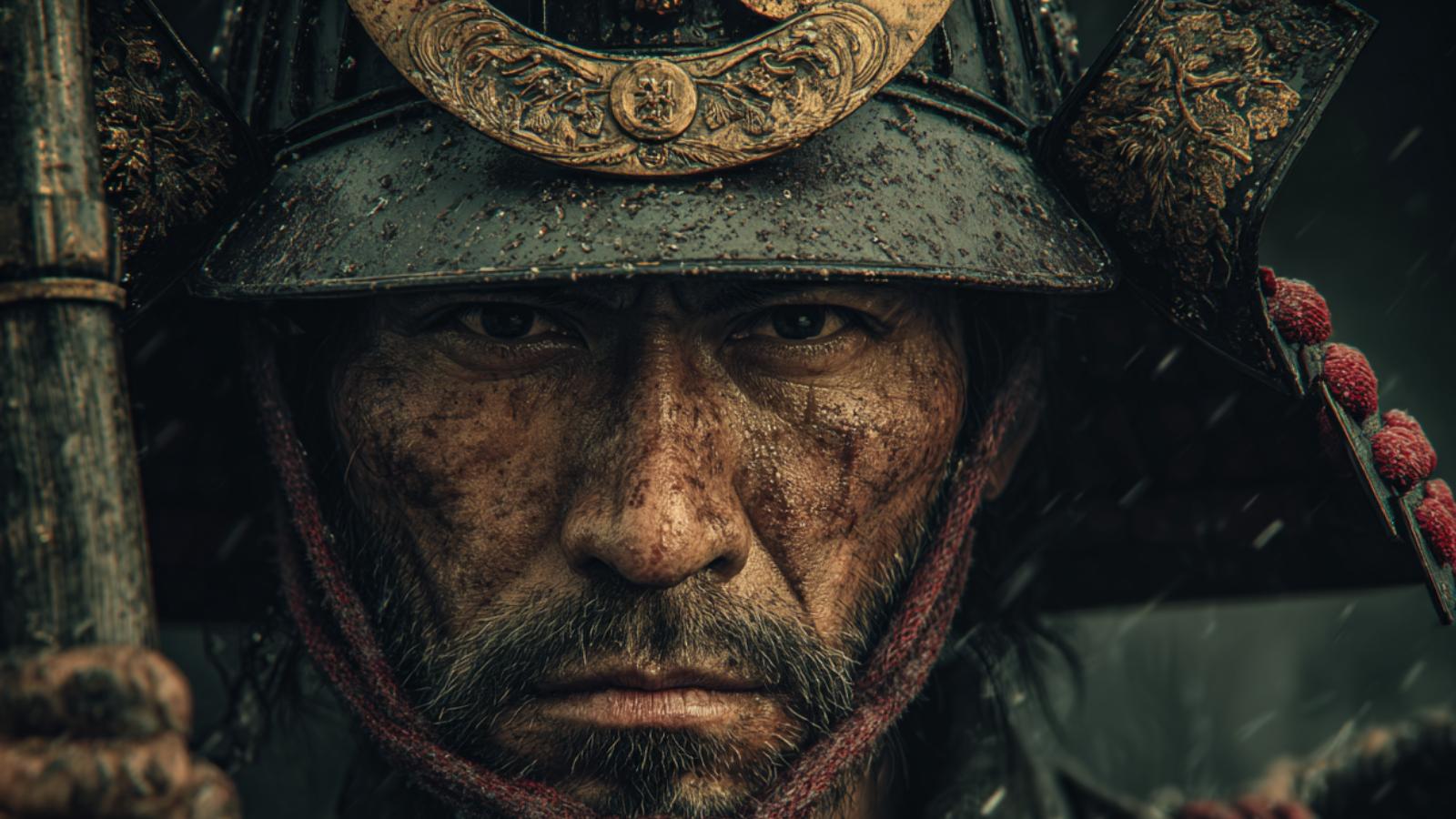
“勝つことが全てではない、勝ち方が重要だ。”
— Winning is not everything; how you win matters.

| Lead 統率 |
Valor 武勇 |
Intel 知略 |
Pol 政治 |
|---|---|---|---|
| 78 | 80 | 75 | 70 |
| Name (JP) | 佐久間 盛重 |
|---|---|
| Title | Chief Retainer |
| Clan / Force | Tokugawa Clan |
| Era | 1522 – 1594 |
| Origin | Mikawa |
| Key Battles | |
| Arts | Calligraphy |
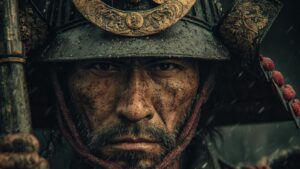
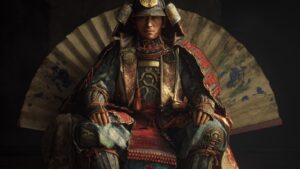
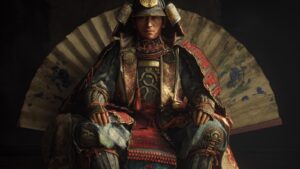
About Sakuma Morishige
Coming from a Shugo lineage, he was raised in a family that valued martial skills and governance.
His early years were marked by rigorous training in the arts of war and diplomacy, preparing him for a life of service under the burgeoning power of the Tokugawa clan.
Morishiges to prominence began when he entered the service of Tokugawa Ieyasu.
He quickly proved himself to be a capable general, demonstrating not only valor on the battlefield but also a keen understanding of strategy and the complexities of feudal politics.
His loyalty and dedication saw him through the ranks, ultimately becoming a chief retainer.
His contributions were crucial during various pivotal that would shape the fate of Japan, including the famous Battle of Mikata-ga-hara.
Throughout his military career, Morishige showcased remarkable prowess in combat.
He engaged in several important skirmishes and that were critical for the consolidation of Tokugawa power.
Known for his tactical acumen, he was adept at mobilizing troops effectively and achieving significant victories against rival clans.
His skills were not only limited to combat; he also utilized his diplomatic skills to forge alliances and maintain peace where necessary.
Sakuma Morishiges survives through his contributions to the Tokugawa clan and his embodiment of the samurai spirit.
He is remembered not just for his battlefield successes, but also for his commitment to the arts, particularly calligraphy, which highlights the duality of the samurai as both a warrior and an artist.
Morishige passed away in 1594, but his impact on the Samurai DB and Japanese history remains significant as a model of loyalty and competence in a tumultuous era.
comment