
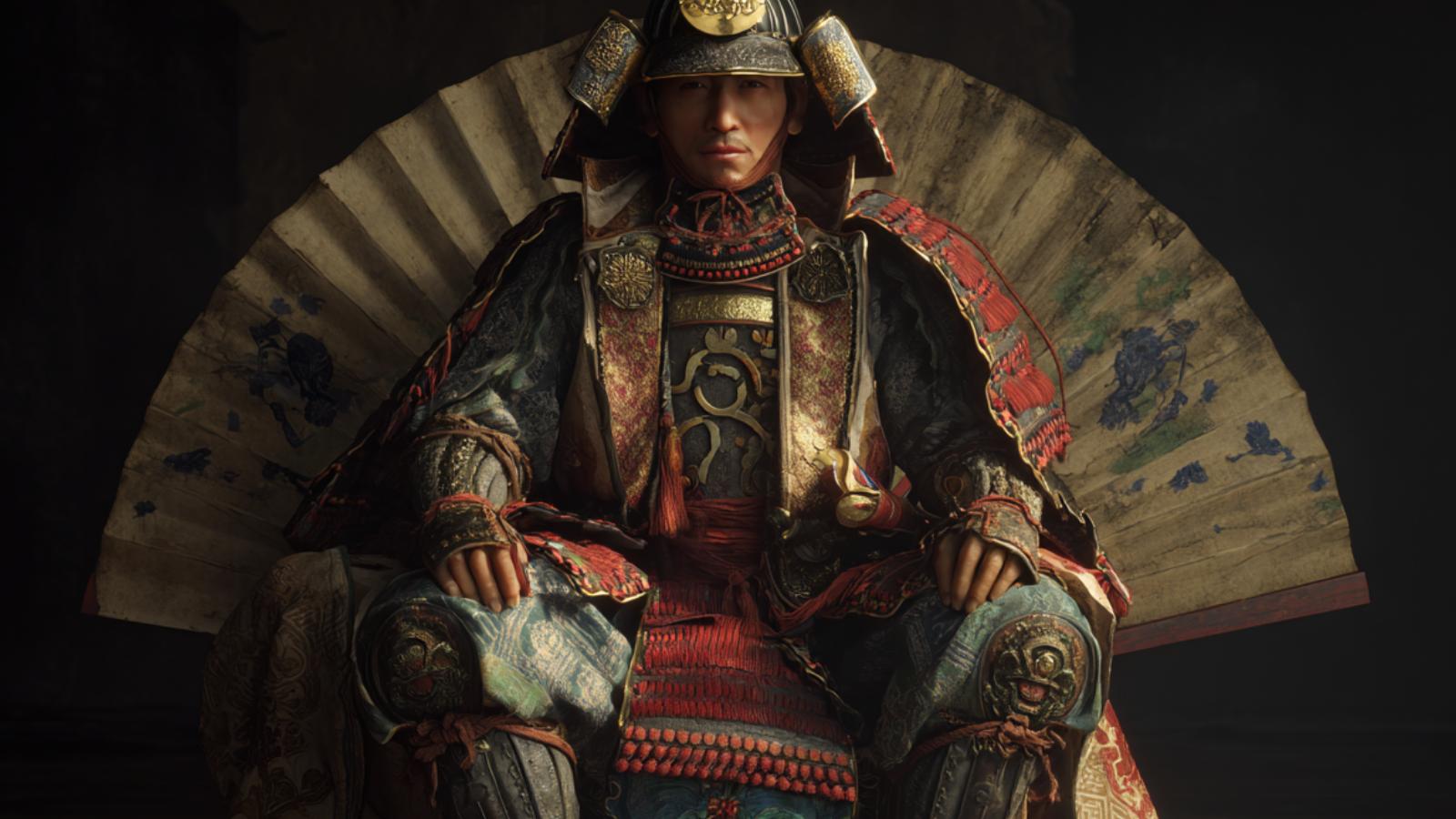
“武は勇気を必要とするが、知恵も同様に重要である。”
— Valor requires courage, but wisdom is equally important.

| Lead 統率 |
Valor 武勇 |
Intel 知略 |
Pol 政治 |
|---|---|---|---|
| 80 | 75 | 70 | 65 |
| Name (JP) | 酒井 忠次 |
|---|---|
| Title | Daimyo |
| Clan / Force | Tokugawa Clan |
| Era | 1542 – 1600 |
| Origin | Kōzuke |
| Key Battles | |
| Arts | Martial Arts |
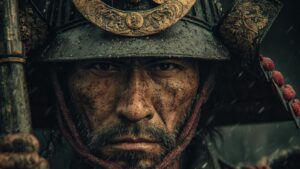
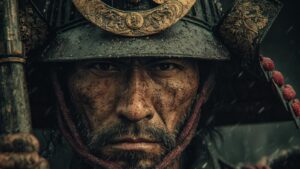
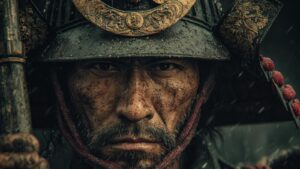
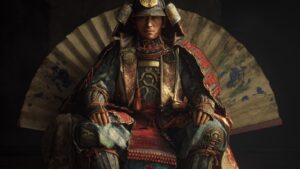
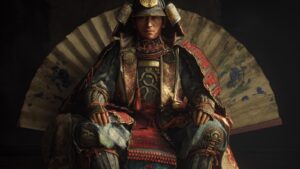
About Sakai Tadatsugu
From a young age, he was trained in the ways of the sword and the bushido code, developing both physical and tactical skills that would serve him well throughout his life.
Tadatsugu began his career as a retainer for Tokugawa Ieyasu in the tumultuous years of the Sengoku period.
His loyalty and capabilities shone brightly, particularly during the Battle of Mikatagahara in 1573, where he displayed strategic skills that aided in the consolidation of Ieyasus power.
As a result, he was granted the of daimyo and allotted territories as a reward for his service.
Throughout his career, Tadatsugu took part in numerous that were pivotal in shaping Japans history, including the Siege of Fushimi Castle and the Battle of Sekigahara in 1600.
His tactical acumen and personal bravery earned him the respect of both allies and enemies alike, solidifying his reputation as a capable general during the chaotic times of battle.
Sakai Tadatsugu is remembered as a pivotal figure in the of the Tokugawa Shogunate.
His contributions, both on and off the battlefield, helped to stabilize Japan after centuries of civil war.
His lives on as a symbol of loyalty, intelligence, and martial prowess in the annals of Japanese history.
comment