
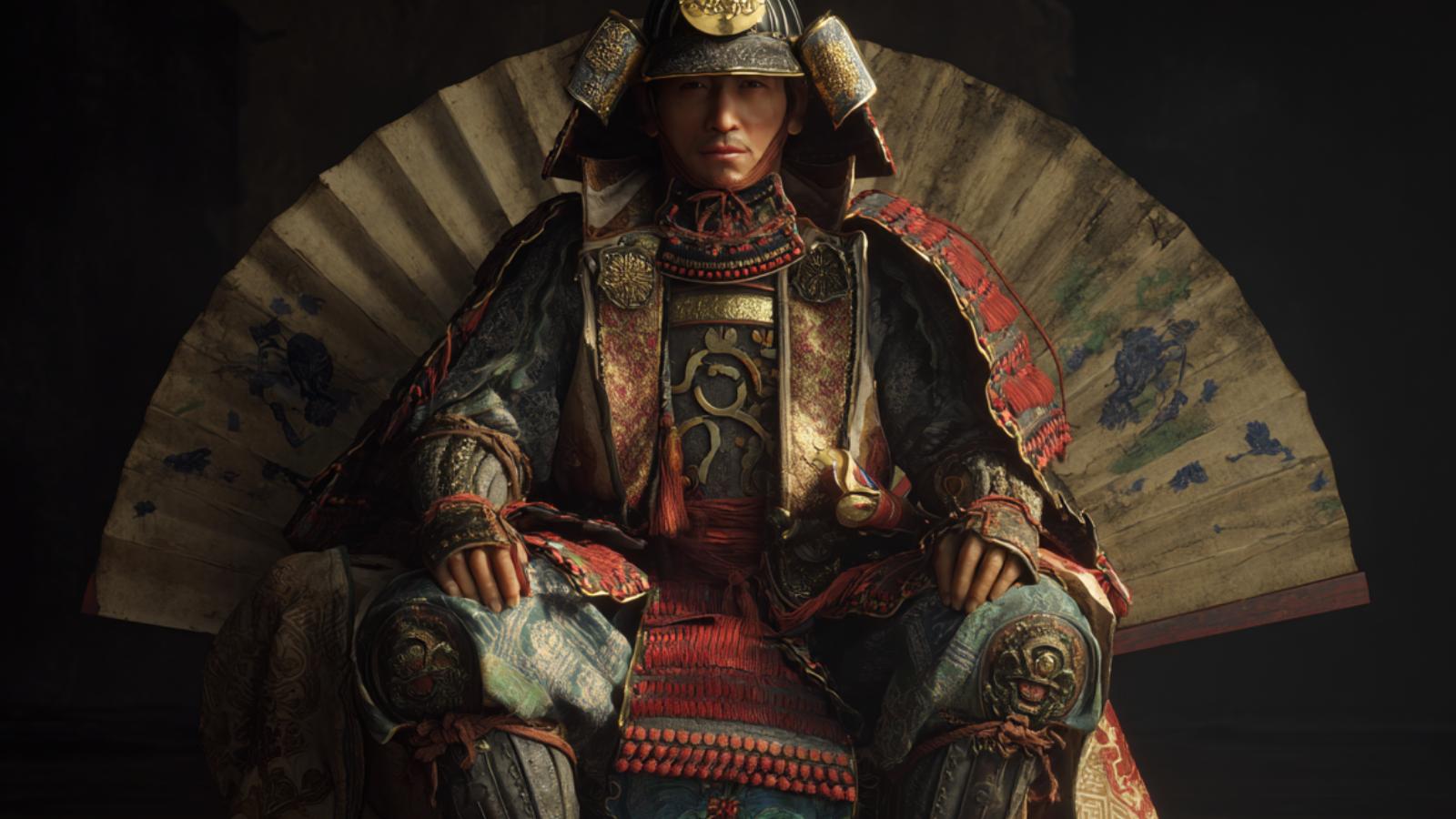
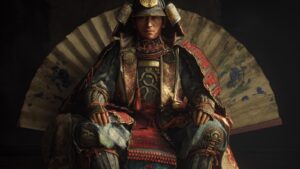
“君には負けられぬ、酒井の名をかけて。”
— I cannot lose to you; I stake my name on Sakai.

| Lead 統率 |
Valor 武勇 |
Intel 知略 |
Pol 政治 |
|---|---|---|---|
| 85 | 78 | 82 | 75 |
| Name (JP) | 酒井 忠勝 |
|---|---|
| Title | Daimyo |
| Clan / Force | Tokugawa Clan |
| Era | 1570 – 1636 |
| Origin | Mutsu |
| Key Battles | |
| Arts | Calligraphy |
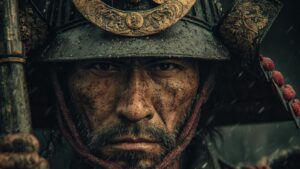
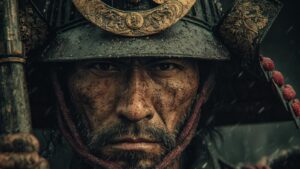
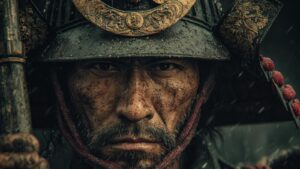
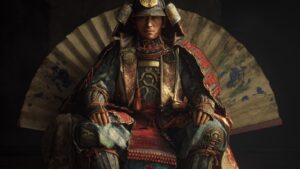
About Sakai Tadakatsu
Trained in the ways of bushido from a young age, he demonstrated remarkable skill with the sword and a keen tactical mind.
His upbringing set the foundation for a life dedicated to the service of his lord and the pursuit of glory in battle.
Throughout the late 16th century, Tadakatsu served under various notable lords, proving his worth in the continual conflicts that characterized the Sengoku period.
He earned respect as a capable commander during numerous engagements, solidifying his reputation as a good leader.
He was particularly known for his strategic acumen and ability to motivate his troops.
Rising through the ranks, Tadakatsu eventually became a daimyo, commanding respect and loyalty from those under his banner.
Sakai Tadakatsu fought in several pivotal, consistently showcasing his valor and leadership on the battlefield.
His most notable engagements include the Siege of Fushimi, where his strategic skills turned the tide in favor of his forces.
Tadakatsu’s determination and prowess in combat earned him a place among the renowned generals of his time, although he was perhaps overshadowed by more famous figures of the era.
Tadakatsu passed away in 1636, leaving behind a of loyalty and martial skill.
Although he may not have achieved the legendary status of figures like Tokugawa Ieyasu, his contributions to his clan, and the loyalty he inspired among his followers, have made him a respected figure in the annals of samurai history.
His descendants continued to uphold the values he embodied, ensuring that the name Sakai would remain significant in Japanese history.

comment