
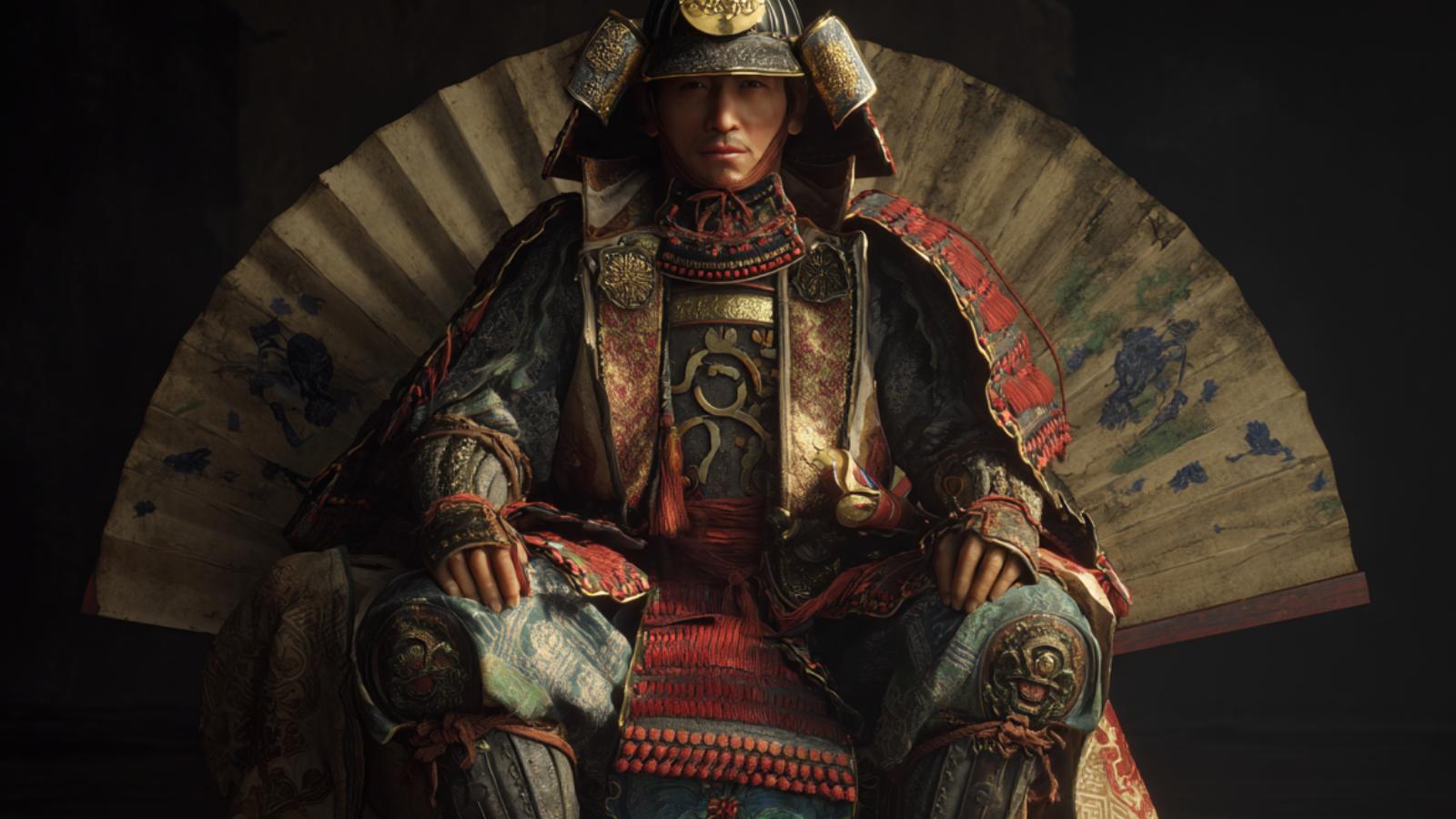
“真剣勝負こそが武士の道だ。”
— The true path of a warrior lies in earnest combat.

| Lead 統率 |
Valor 武勇 |
Intel 知略 |
Pol 政治 |
|---|---|---|---|
| 72 | 65 | 68 | 70 |
| Name (JP) | 坂井 政尚 |
|---|---|
| Title | Daimyo |
| Clan / Force | Unknown |
| Era | 1561 – 1620 |
| Origin | Settsu |
| Key Battles | |
| Arts | Noh Theater |
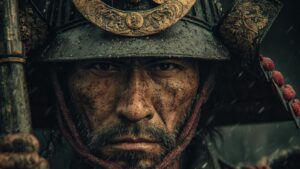
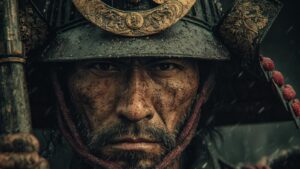
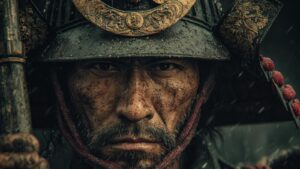
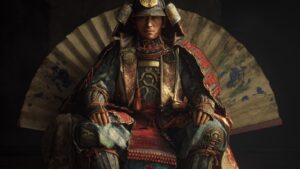
About Sakai Masahisa
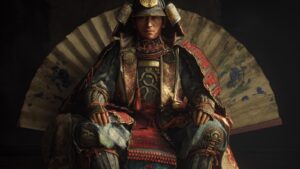
From a young age, he was exposed to the ways of the samurai and the complexities of feudal politics, which would shape his future as a commanding general.
As a young warrior, Masahisa quickly gained recognition for his strategic mind.
He served under powerful lords and proved himself in numerous, earning promotions and the loyalty of his troops.
His leadership qualities shone during the conflicts of the Sengoku period when he actively participated in the unification efforts of Japan.
Masahisas prowess in combat was marked by several key, which established his reputation as a capable general.
His notable engagements included his contributions to campaigns in the Kansai region and his involvement in conflicts against rival clans.
Despite not achieving legendary status like some of his contemporaries, he was respected on the battlefield for his tactics and bravery.
Sakai Masahisas impact on the samurai culture is still felt today, particularly in the revival of Noh Theater, which he supported ardently.
Although he did not leave behind a vast empire, his story reflects the realistic struggles of many samurai who fought during this tumultuous era.
His contributions to the samurai ethos and dedication to the path of the warrior continue to inspire the values of honor and duty in Japanese culture.
comment