
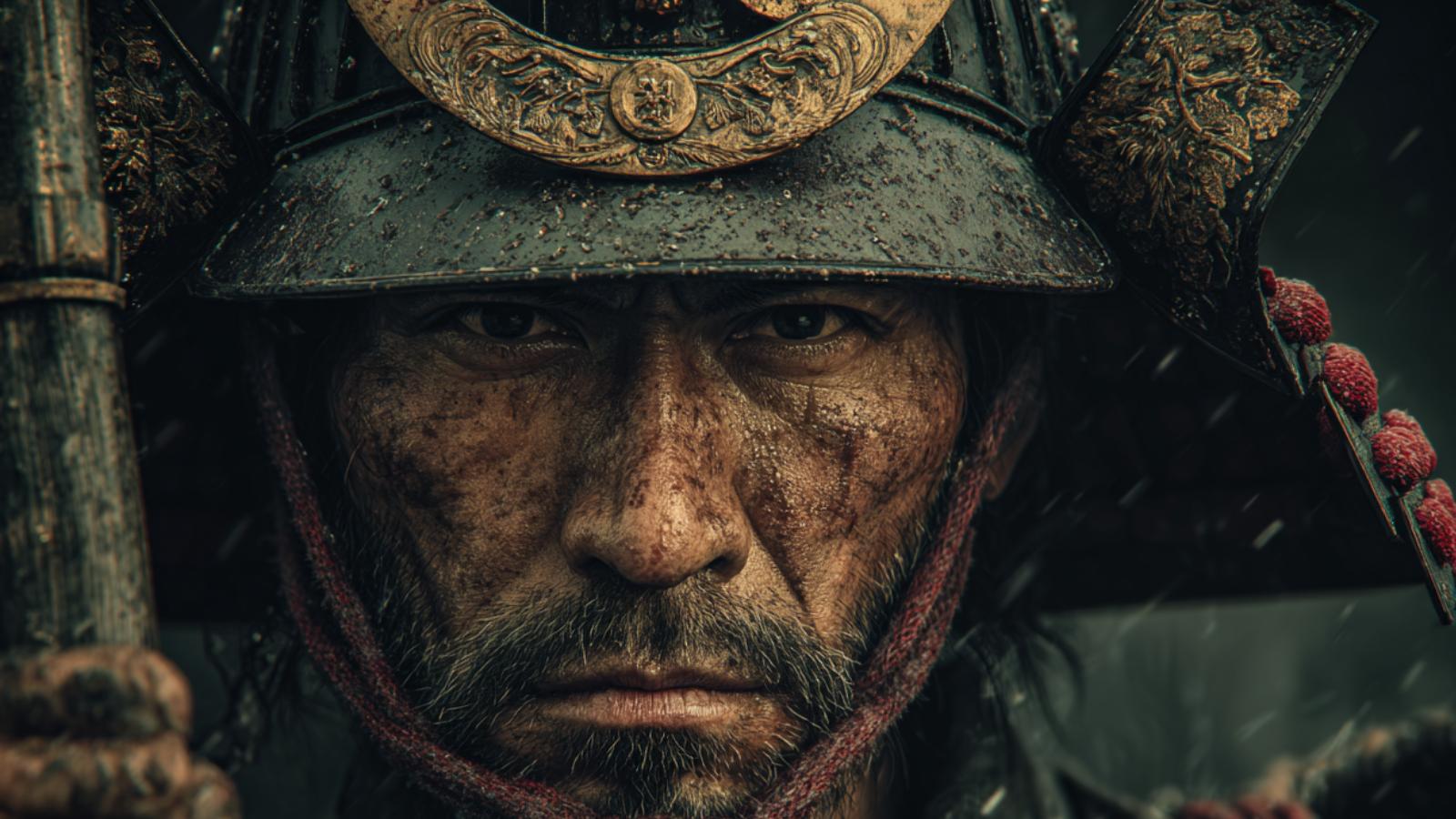
“武士は食わねど高楊枝”
— Even if a samurai goes unfed, he holds his head high.

| Lead 統率 |
Valor 武勇 |
Intel 知略 |
Pol 政治 |
|---|---|---|---|
| 70 | 75 | 65 | 50 |
| Name (JP) | 斎藤 朝信 |
|---|---|
| Title | Chief Retainer |
| Clan / Force | Uesugi Clan |
| Era | 1562 – 1621 |
| Origin | Mino |
| Key Battles | |
| Arts | Martial Arts |
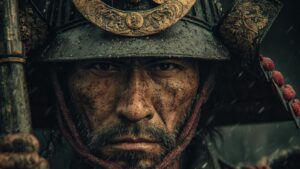
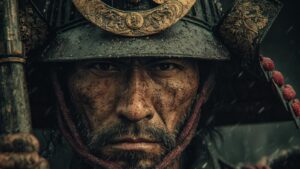
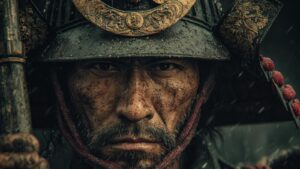
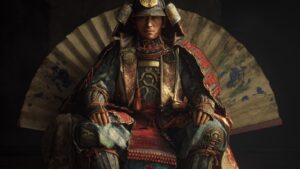
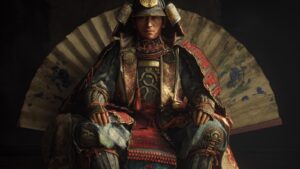
About Saito Tomobu
Born into a family of samurai, he was instilled with the values of honor and bravery from a young age.
His early training in martial arts and strategy was influenced by the tumultuous events surrounding him, particularly as various clans fought for power across Japan.
Tomobu began his career as a retainer for the powerful Tokugawa clan, where he quickly gained recognition for his skills on the battlefield.
His loyalty and capability earned him the of Chief Retainer.
Despite not being a warlord himself, he played a crucial role in many campaigns, strategizing and leading troops effectively in the heat of battle.
His name became synonymous with strength and reliability among his peers and superiors.
Throughout his career, Saito fought in several key during the late 16th and early 17th centuries.
His most notable engagements were during the Battle of Sekigahara in 1600, where he proved his valor in the face of overwhelming odds, demonstrating a keen tactical mind and courage that inspired his soldiers.
Tomobu’s contributions greatly assisted his lords ambitions, and he established himself as a respected figure among the ranks of samurai during this time.
Saito Tomobu passed away in 1621, leaving behind a of loyalty and bravery.
Though overshadowed by greater figures of his time, he is remembered for his dedication to duty and martial excellence.
His principles continue to inspire modern interpretations of samurai honor and conduct.
Today, Tomobus life is a study of the role of retainers in the samurai class, illustrating how these warriors supported their lords while striving to etch their names into history.
comment