
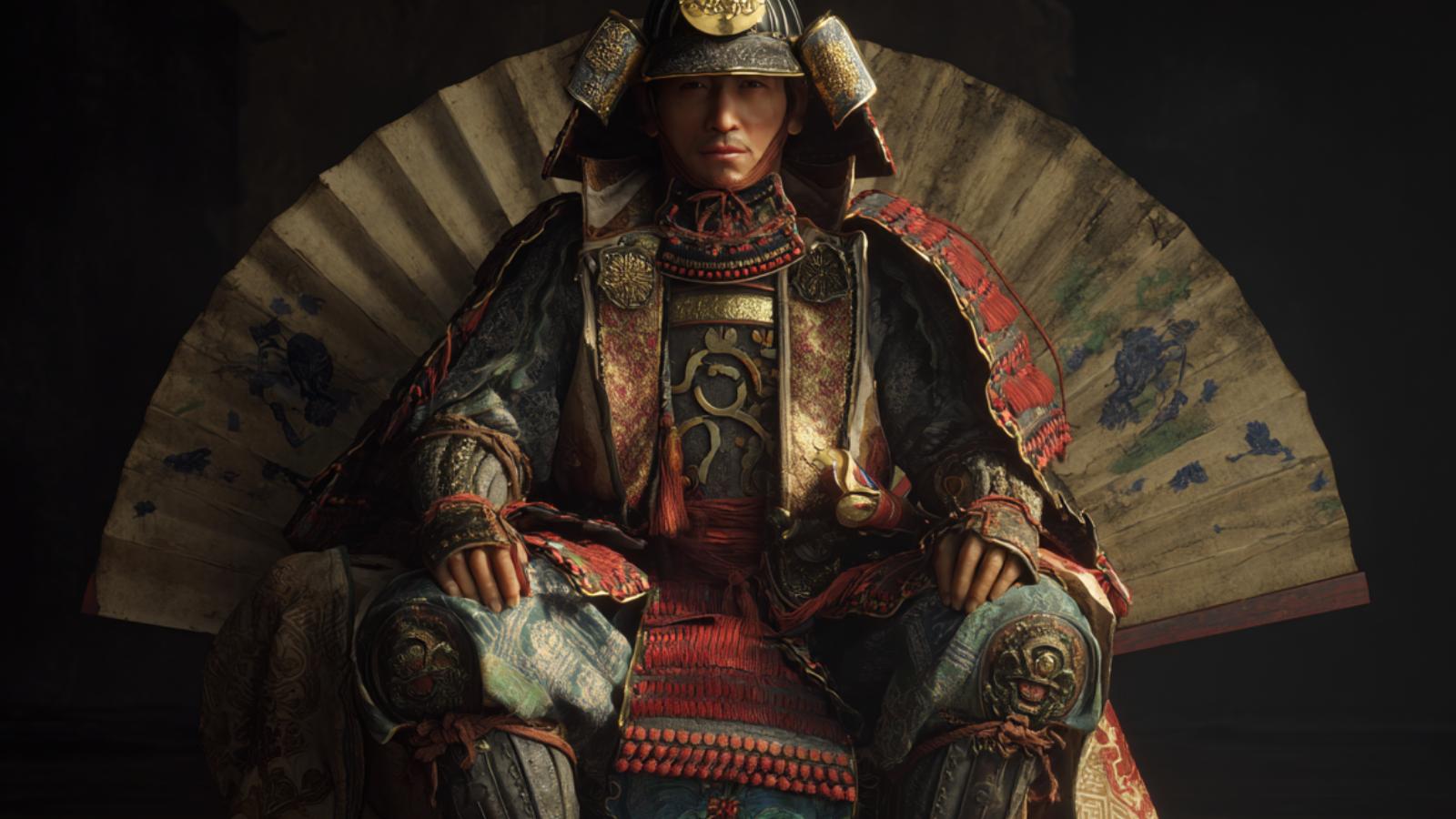
“勇気なくして勝利なし。”
— There is no victory without courage.

| Lead 統率 |
Valor 武勇 |
Intel 知略 |
Pol 政治 |
|---|---|---|---|
| 72 | 68 | 74 | 65 |
| Name (JP) | 三枝 守友 |
|---|---|
| Title | Daimyo |
| Clan / Force | Unknown |
| Era | 1542 – 1601 |
| Origin | Bizen |
| Key Battles | |
| Arts | Ikebana |
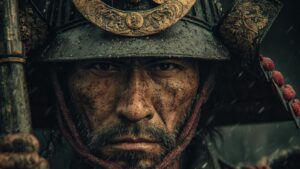
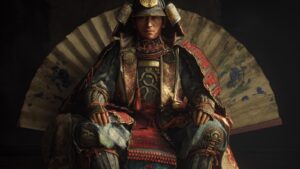
About Saigusa Moritomo
Coming from a samurai lineage, he was trained in the arts of warfare and strategy from a young age.
His family had a history of loyalty to the ruling powers in the area, providing a solid foundation for his future endeavors.
As a young man, Moritomo demonstrated remarkable potential in both combat and diplomatic skills, setting the stage for a promising career.
In the midst of the tumult of the Sengoku period, Moritomo began to make a name for himself as a capable leader and tactician.
His early campaigns focused on defending his territory from rival clans while expanding his influence in Bizen and surrounding areas.
By aligning himself with powerful figures such as Toyotomi Hideyoshi, he secured both military strength and political backing, which allowed him to through the ranks of the samurai class.
His leadership was characterized by a commitment to honor and loyalty, earning him respect among both peers and subordinates.
Throughout his career, Moritomo participated in numerous that were pivotal to the unification of Japan.
His strategic intelligence was evident during skirmishes with the Takeda and Uesugi clans, where he often employed ambush tactics and psychological warfare to outmaneuver larger forces.
Notably, his contribution in the Siege of Osaka illustrated his ability to adapt and overcome in adverse situations.
While he was not among the most famous warlords of his time, his actions were crucial in supporting the greater strategy of his allies and helping to solidify Toyotomi power.
He was known to engage personally in battle, demonstrating his valor and commitment to his troops, earning their loyalty and admiration.
Saigusa Moritomo passed away in 1601, leaving behind a as a respected daimyo of Bizen.
Though he may not be as widely recognized as some of his contemporaries, his contributions to the unification efforts in Japan and his tactical insight have been celebrated in various historical texts.
His commitment to the samurai code and loyalty to his allies and family continues to be honored in the annals of Japanese history, showcasing the virtues of courage and honor that define the samurai spirit.
comment