
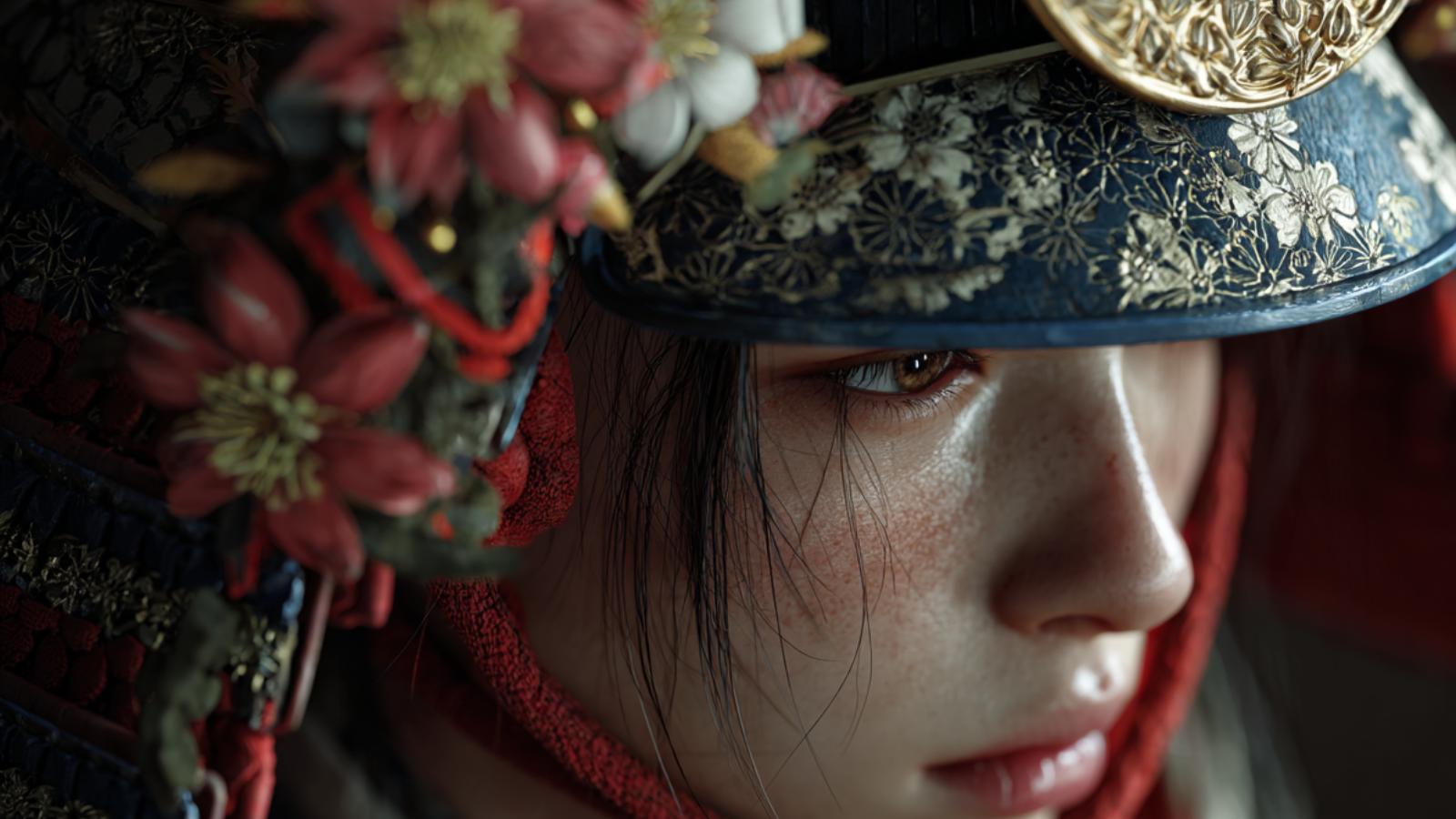
“お役に立つ私でありたいと願っておりました。”
— I wished to be of service.

| Lead 統率 |
Valor 武勇 |
Intel 知略 |
Pol 政治 |
|---|---|---|---|
| 75 | 60 | 80 | 70 |
| Name (JP) | 西郷 局 (愛加那) |
|---|---|
| Title | Lady of the Court |
| Clan / Force | Tokugawa Shogunate |
| Era | 1836 – 1919 |
| Origin | Satsuma |
| Key Battles | |
| Arts | Ikebana |
About Saigo no Tsubone
Her upbringing was steeped in the martial traditions and vibrant culture of the Satsuma domain, which had a strong naval presence.
During her formative years, she was educated in the arts and the responsibilities expected of women in the samurai class.
She rose to prominence as the trusted maid of Saigo Takamori, one of the most influential figures during the transition from the Edo period to the Meiji Restoration.
Her loyalty and intelligence caught the attention of Takamori, who eventually brought her into his inner circle.
As tensions rose leading up to the Boshin War, her involvement in political and military discussions became increasingly important.
Although she was not a combatant in the traditional sense, Saigo no Tsubones strategic thinking and insights aided Takamori in various conflicts during the Boshin War.
Her knowledge of the political landscape and her ability to navigate the complex social dynamics of the time were crucial as the Satsuma Rebellion unfolded.
She often supported Takamori in maintaining morale and unity among his men during challenging times.
Saigo no Tsubone’s endures as a symbol of loyalty and steadfastness.
After the fall of the samurai and the final defeat of Takamori, she lived through the Meiji Restoration, adapting to the new roles that women were expected to play in society.
Her contributions are often overshadowed by her male counterparts, yet they reflect the essential roles women played during this transformative time in Japanese history.









comment