
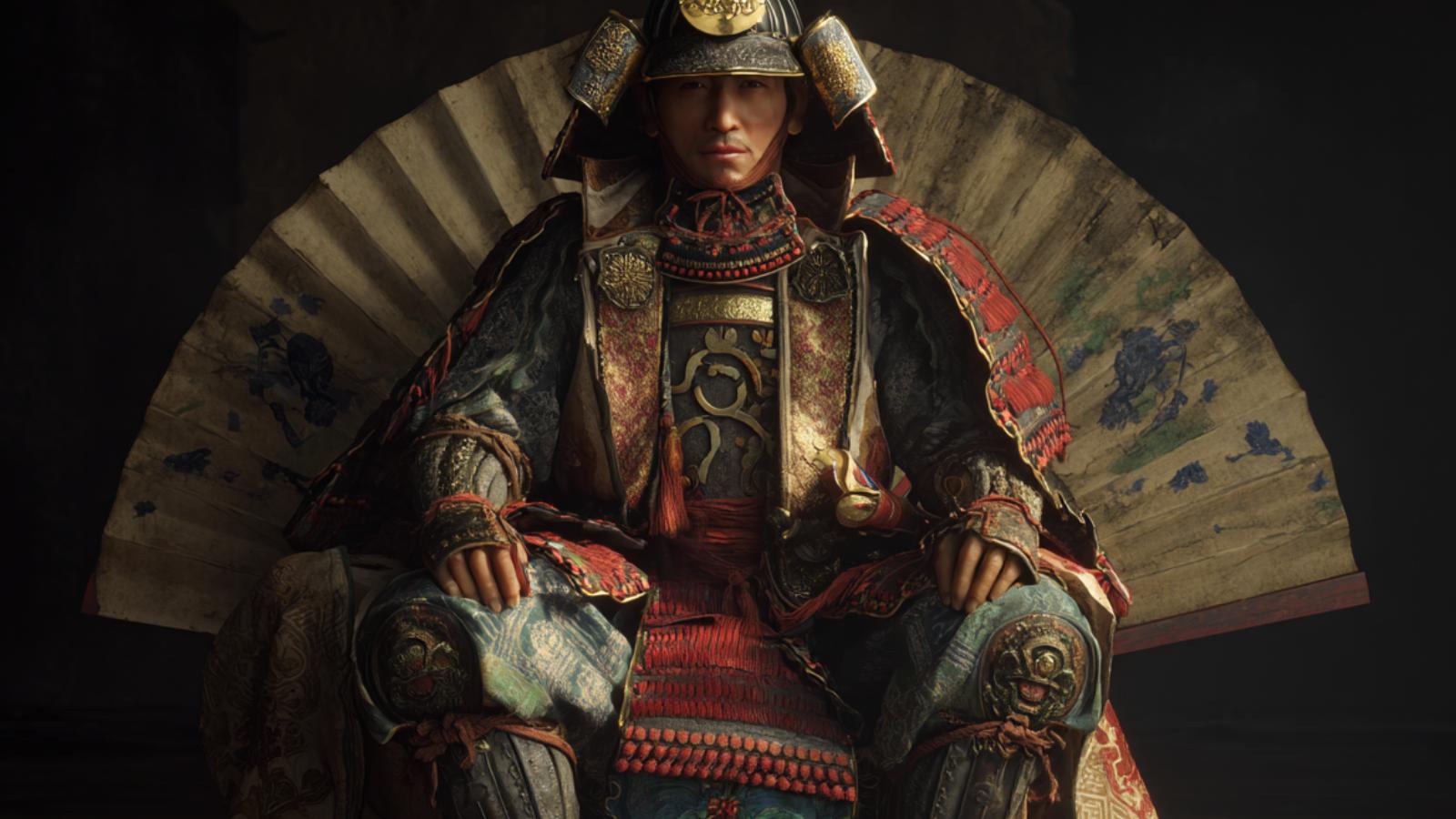
“武士の道は、真実と忠誠に基づく。”
— The way of the warrior is based on truth and loyalty.

| Lead 統率 |
Valor 武勇 |
Intel 知略 |
Pol 政治 |
|---|---|---|---|
| 80 | 70 | 75 | 65 |
| Name (JP) | 龍造寺 隆信 |
|---|---|
| Title | Daimyo |
| Clan / Force | Ryuzoji Clan |
| Era | 1530 – 1572 |
| Origin | Hizen |
| Key Battles | |
| Arts | Noh Theatre |
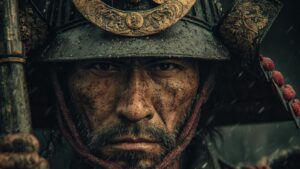
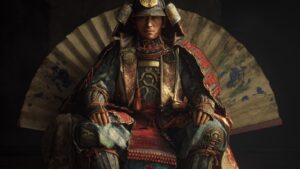
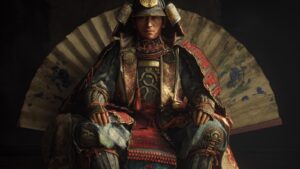
About Ryuzoji Takanobu
He belonged to the Shugo class, a level of leadership over the samurai.
Takanobu was raised in an environment rich in military tradition and strategy, which greatly influenced his later endeavors.
He was educated in the arts and warfare from a young age, preparing him for the challenges that lay ahead.
In the tumultuous Sengoku period, Takanobu rose to prominence by leveraging both diplomacy and military power.
He effectively allied with major clans and utilized shrewd tactics to expand his territory.
Takanobu was known for his ability to manage relations with other daimyos, allowing him to strengthen his position in Hizen Province and beyond.
Throughout his career, Takanobu faced numerous conflicts, including clashes with the powerful Sotome clan.
His strategies during these engagements were marked by clever maneuvering and the effective use of terrain.
Despite facing defeats at times, Takanobus resilience and adaptive tactics earned him the respect of both his allies and enemies.
His most notable victory came in the Battle of Fukuhara, where his forces decisively defeated local rivals and solidified his power in the region.
Ryuzoji Takanobu left behind a as a capable leader and a shrewd politician.
His contributions to the political landscape of the Sengoku period were significant, as he played a role in setting the stage for the eventual unification of Japan.
Even after his death in 1572, his descendants continued to influence the region.
Takanobu is remembered as a nuanced figure in Japans feudal history, balancing his martial prowess with an understanding of governance and diplomacy.
comment