
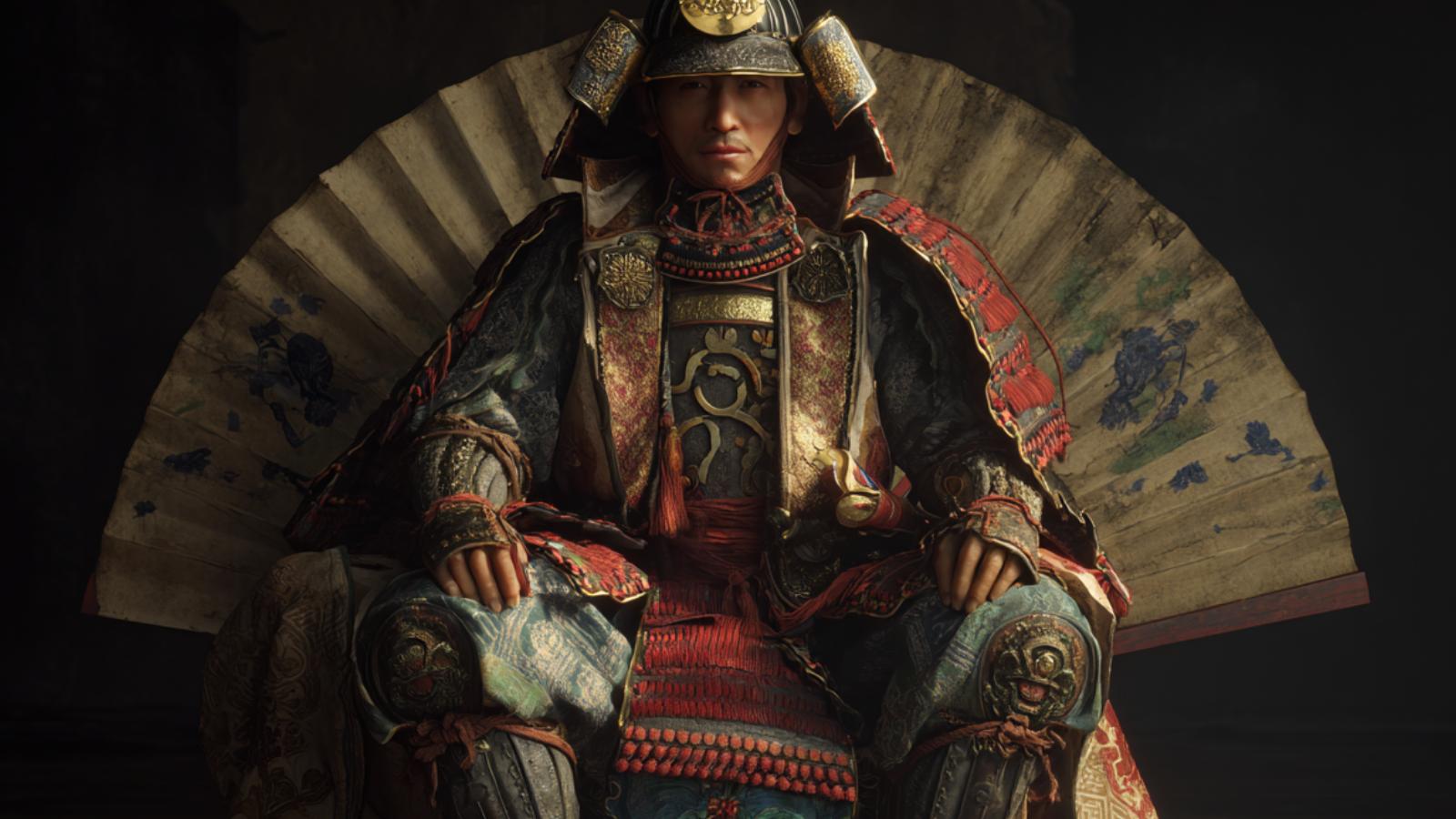
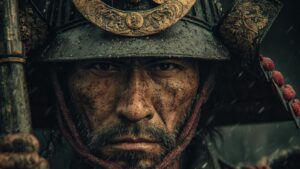
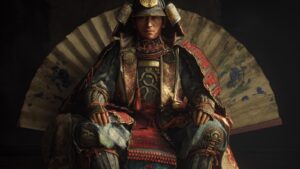
“我が信念は無傷である。”
— My conviction remains unscathed.

| Lead 統率 |
Valor 武勇 |
Intel 知略 |
Pol 政治 |
|---|---|---|---|
| 78 | 75 | 70 | 65 |
| Name (JP) | 龍造寺 政家 |
|---|---|
| Title | Daimyo |
| Clan / Force | Ryuzoji Clan |
| Era | 1532 – 1584 |
| Origin | Chikuzen |
| Key Battles | |
| Arts | Ikebana |
About Ryuzoji Masaie
Growing up during the tumultuous times of the Sengoku period, Masaies was deeply influenced by the constant conflicts and shifting allegiances among Japans many warlords.
His upbringing instilled in him a sense of duty and a strong warrior spirit, both of which would later define his career.
Masaies to prominence began in the 1560s, as he took command of the Ryuzoji clan following the death of his father.
He strategically allied with various factions during the power struggles that characterized the era.
By demonstrating both tactical prowess and a strong sense of governance, he managed to expand his territory and solidify the clans influence in the region.
Despite facing challenges from rival clans and the shifting landscape of alliances, Masaies political acumen allowed him to navigate these tumultuous times effectively.
Throughout his military career, Masaie engaged in several significant that tested his leadership and combat skills.
He was known for his ability to organize troops and employ tactics that maximized their effectiveness in the field.
His valor in combat earned him respect among both allies and enemies, and he was often at the forefront during critical confrontations.
Though he faced defeats at times, his resilience in the face of adversity ensured that he remained a key player in the regional power dynamics.
Ryuzoji Masaies contributions as a daimyo and warrior helped shape the course of history in his region during the late Sengoku period.
Although not as famous as contemporaries like Oda Nobunaga or Toyotomi Hideyoshi, his lives on through the tales of his valor and cunning.
His leadership style and ability to adapt to the ever-changing political landscape serve as a study of the complexities faced by feudal lords during one of the most chaotic periods in Japanese history.
His descendants continued to play a role in the region, reflecting the enduring impact of Masaies life and career.
comment