
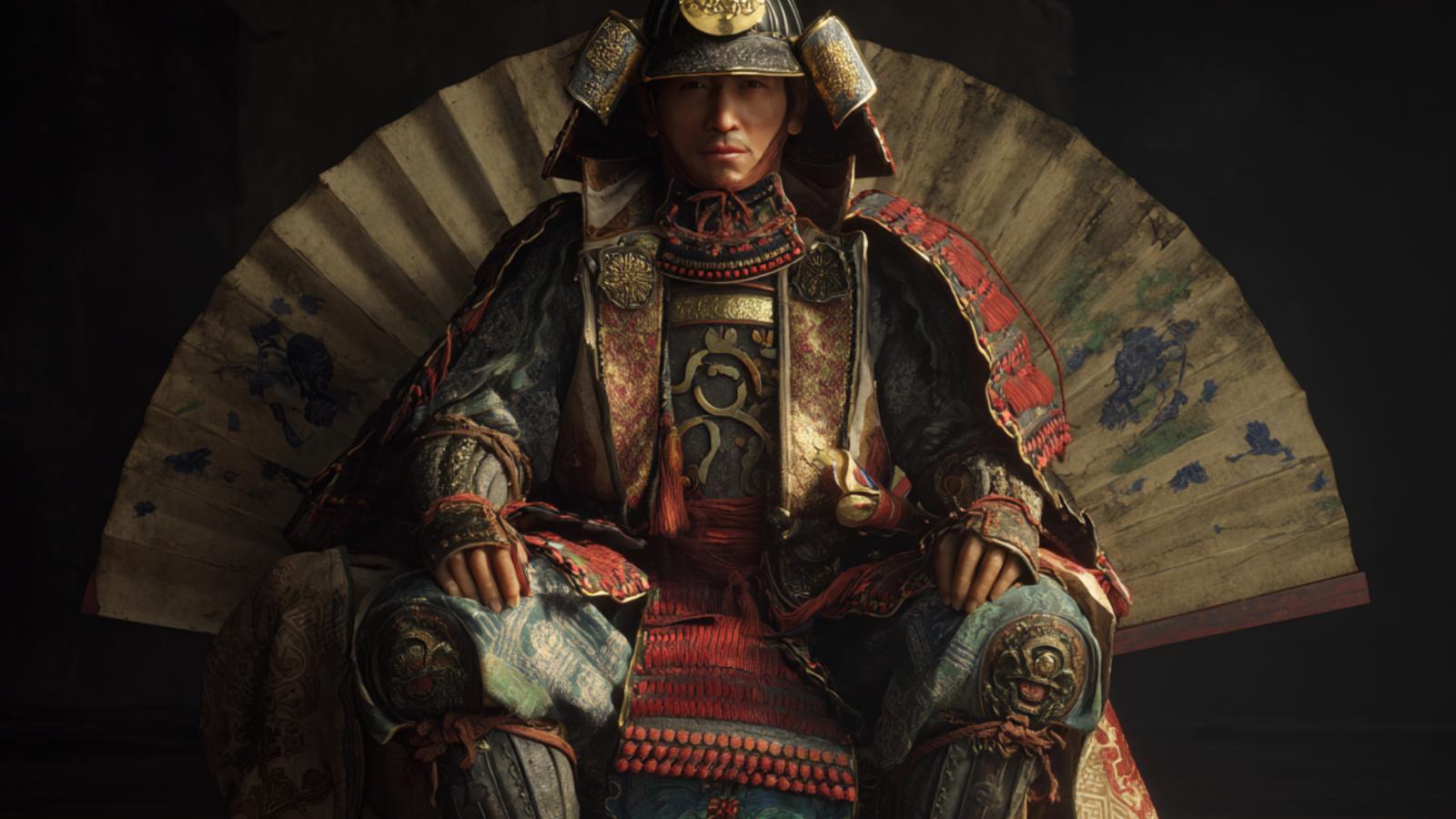
“戦は巧妙さがすべてだ。”
— Strategy is everything in war.

| Lead 統率 |
Valor 武勇 |
Intel 知略 |
Pol 政治 |
|---|---|---|---|
| 75 | 70 | 80 | 70 |
| Name (JP) | 龍造寺 家晴 |
|---|---|
| Title | Daimyo |
| Clan / Force | Ryuzoji Clan |
| Era | 1530 – 1600 |
| Origin | Hizen |
| Key Battles | |
| Arts | Noh Theatre |
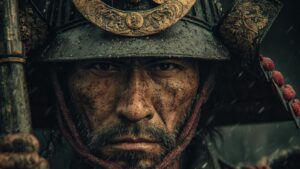
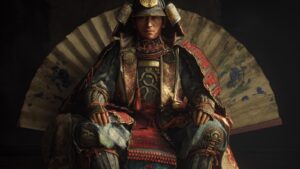
About Ryuzoji Ieharu
His family had previously served as shugo (military governors), providing him with a solid foundation in governance and military affairs from a young age.
The early influences of his lineage shaped his aspirations to expand his clans power and territory.
Ieharu rose to prominence in the late 1550s, taking over leadership of the Ryuzoji clan after a series of conflicts that weakened his familys position.
He was particularly known for his alliances and political savvy, often using diplomacy to strengthen his clan’s standing among other warlords.
Ieharu successfully navigated the complex landscape of the Sengoku period, involving himself with prominent figures and aligning with powerful daimyos when necessary, ensuring his clan stayed relevant amid rising threats.
Throughout his rule, Ieharu engaged in numerous to protect and expand his domain.
He effectively used guerrilla tactics and made strategic use of the regions terrain, which earned him respect among his peers.
However, his capabilities as a general were often overshadowed by more prominent leaders of the time, limiting his direct military conquests.
Sanctuaries and tactical fortifications became hallmarks of his defensive strategy, showcasing his intelligence in understanding the evolving nature of warfare during this period.
Ryuzoji Ieharu passed away in 1600, leaving behind a as a capable yet somewhat overshadowed daimyō.
His children continued the of the Ryuzoji clan, maintaining their influence in Hizen Province long after his death.
Historians often view Ieharu as a figure of great diplomacy and intelligence, emphasizing his role in shaping the political landscape of his time over outright military conquests.
comment