
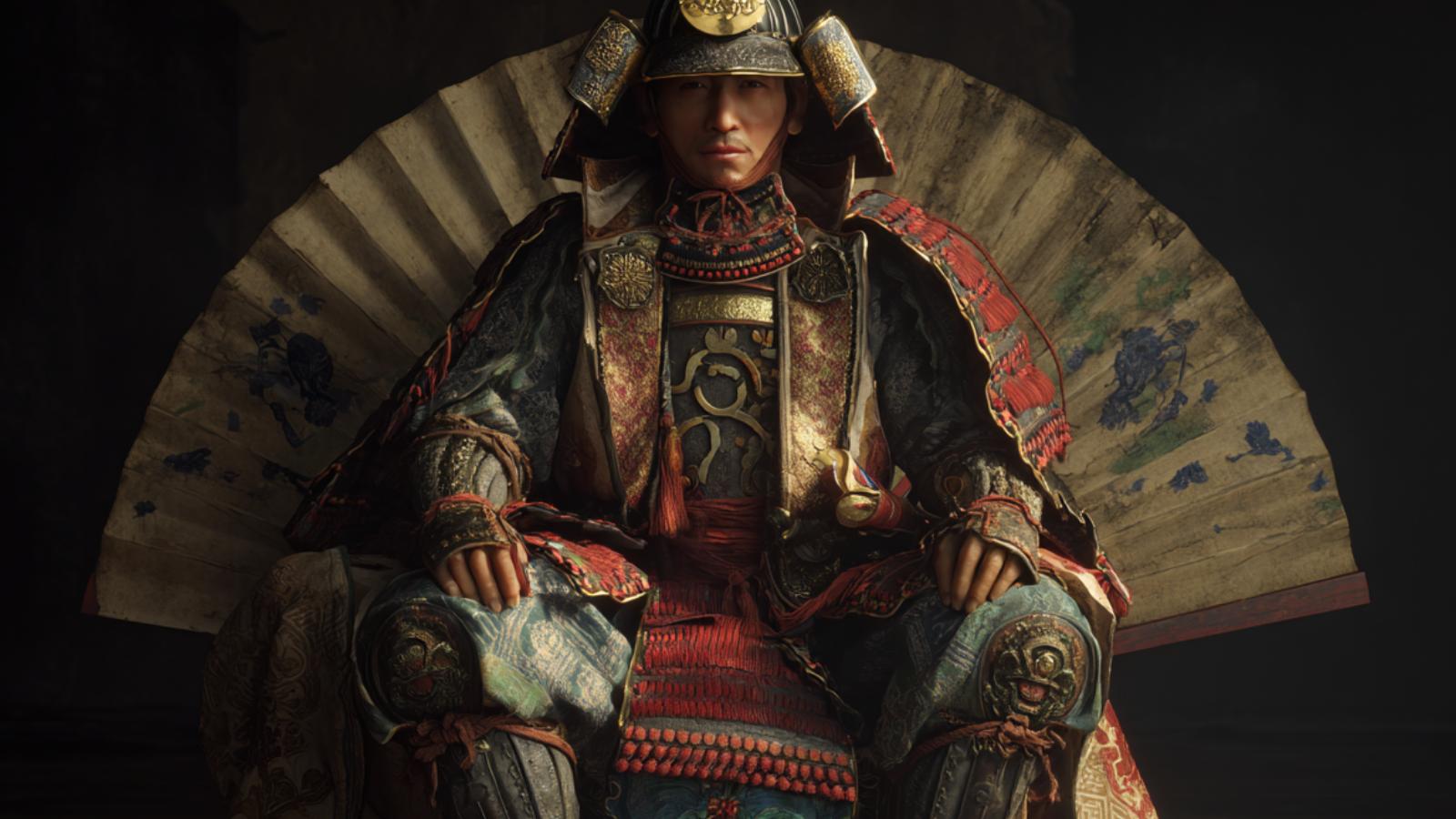
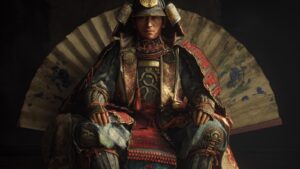
“誇り高き武士道は、我が命の根源なり。”
— The proud way of the warrior is the root of my existence.

| Lead 統率 |
Valor 武勇 |
Intel 知略 |
Pol 政治 |
|---|---|---|---|
| 75 | 70 | 75 | 60 |
| Name (JP) | 留守 政景 |
|---|---|
| Title | Daimyo |
| Clan / Force | Toyotomi Army |
| Era | 1560 – 1612 |
| Origin | Kōzuke |
| Key Battles | |
| Arts | Calligraphy |
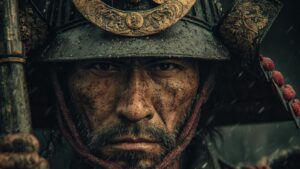
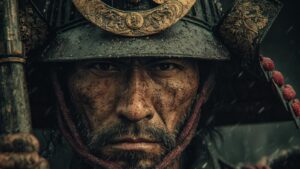
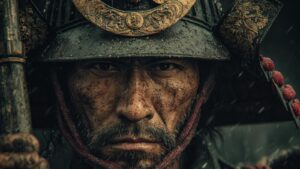
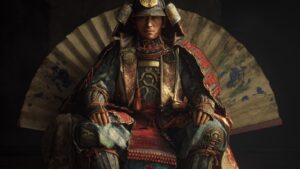
About Rusu Masakage
His family had served the local lords for generations, and he grew up steeped in the traditions of bushido, the samurai code.
Starting his training at a young age, he became proficient in martial arts and strategy, quickly standing out among his peers.
As the Sengoku period intensified, Masakage found himself in the service of a respected daimyo.
His leadership skills and tactical acumen led to rapid promotions, and by the time he reached his thirties, he had earned the of Daimyo.
He was known for his ability to inspire loyalty and courage in his men, often leading them into battle with a fierce determination.
Rusu Masakage participated in several key during his career, notably in the campaigns against rival clans.
His strategies often involved outmaneuvering opponents and using the terrain to his advantage.
Despite facing formidable foes, Masakage’s forces maintained a reputation for discipline and valor under his command.
His personal combat prowess added to his reputation, though he was more renowned as a leader than as a warrior in one-on-one combat.
After his death in 1612, Rusu Masakage left behind a as a capable leader who helped shape the political landscape of Kōzuke.
Though he is less known than some of his contemporaries, he is remembered for his contributions to the samurai ethos and governance of his territories, influencing future generations of samurai.
comment