
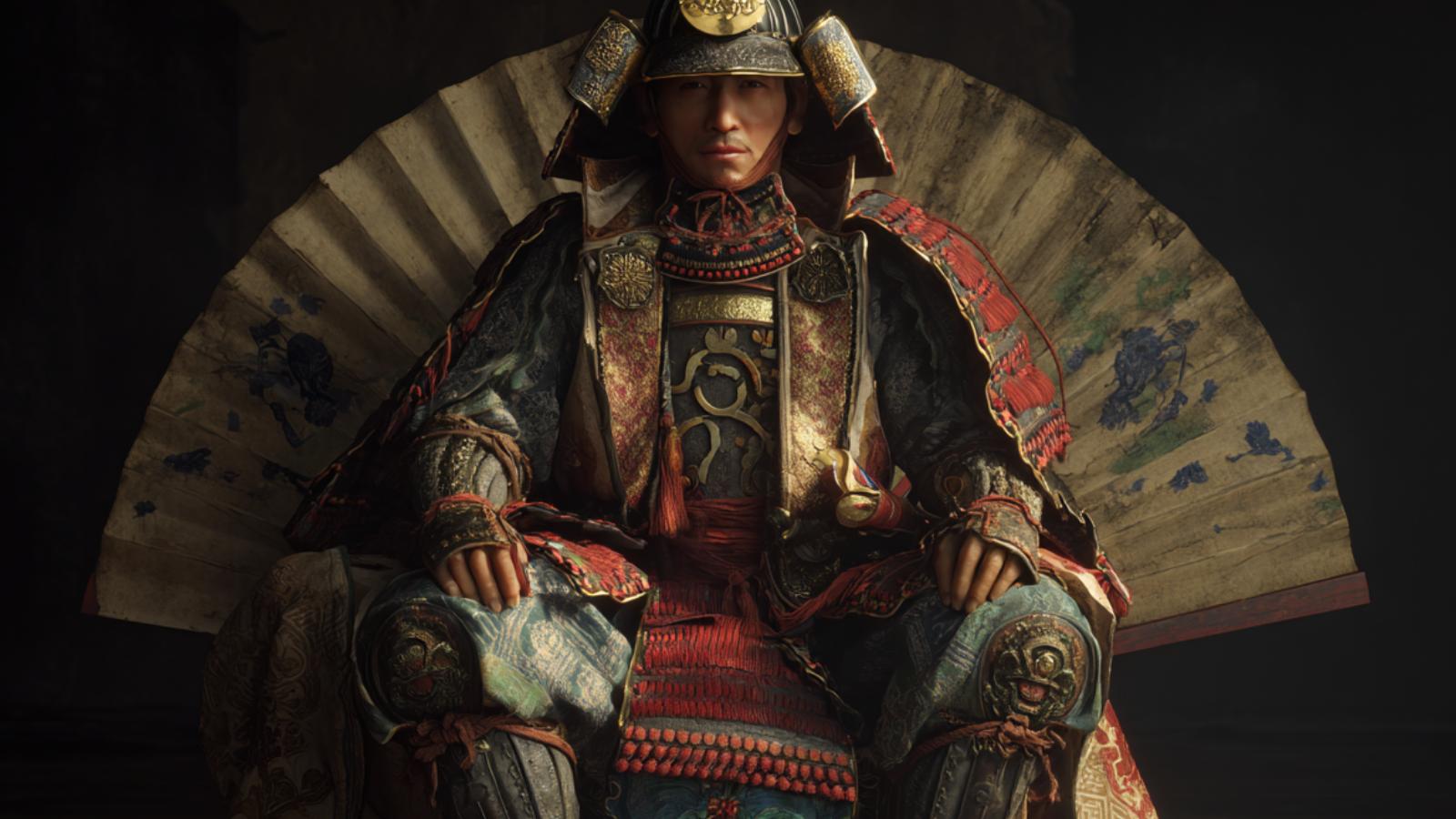
“義を持って徳を積むべし。”
— One must accumulate virtue with righteousness.

| Lead 統率 |
Valor 武勇 |
Intel 知略 |
Pol 政治 |
|---|---|---|---|
| 75 | 70 | 80 | 65 |
| Name (JP) | 六角 義賢 |
|---|---|
| Title | Daimyo |
| Clan / Force | Rokkaku Clan |
| Era | 1530 – 1579 |
| Origin | Omi |
| Key Battles | |
| Arts | Noh Theatre |
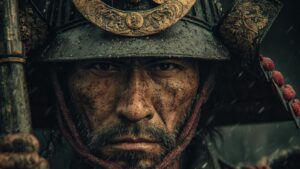
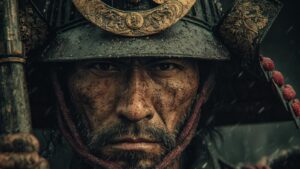
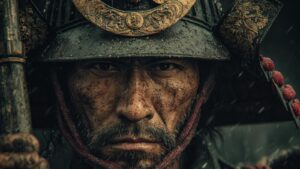
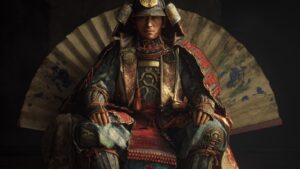
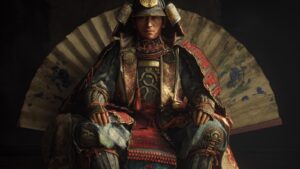
About Rokkaku Yoshikata
Coming from the lineage of the Rokkaku clan, the family possessed a rich history in regional politics and military service.
His father, Rokkaku Yoshikiyo, helped foster an environment emphasizing both military prowess and cultural advancement, setting a foundation for Yoshikatas future endeavors.
As a young man, Yoshikata began to consolidate power by forging alliances and strengthening his clans military capabilities.
In the 1550s, he emerged as a significant player in the tumultuous political landscape of Japan, characterized by the struggle between prominent daimyos.
His ability to negotiate and adapt allowed the Rokkaku clan to maintain stability during periods of upheaval, and he became known for his just governance and martial skills.
Yoshikata fought in several notable over the years, utilizing strategies that showcased his intelligence on the battlefield.
His engagements often involved clever maneuvers and the effective use of terrain, which garnered him respect from both allies and opponents.
Although he was not the most famed warrior, his leadership during skirmishes often turned the tide in favor of his forces.
His valor in these encounters solidified his reputation as a capable general despite the overshadowing fame of contemporaries such as Oda Nobunaga.
Rokkaku Yoshikata passed away in 1579, leaving a characterized by his contributions to the political structure of Omi Province and cultural pursuits like Noh Theatre, which flourished under his patronage.
His dedication to both governance and regional stability makes him a respected figure in the history of the era, albeit one often eclipsed by the more prominent daimyos of his time.
Yoshikatas life serves as a reminder of the complexities and dynamics of feudal Japan, where both martial and intellectual contributions shaped the future of the nation.
comment