
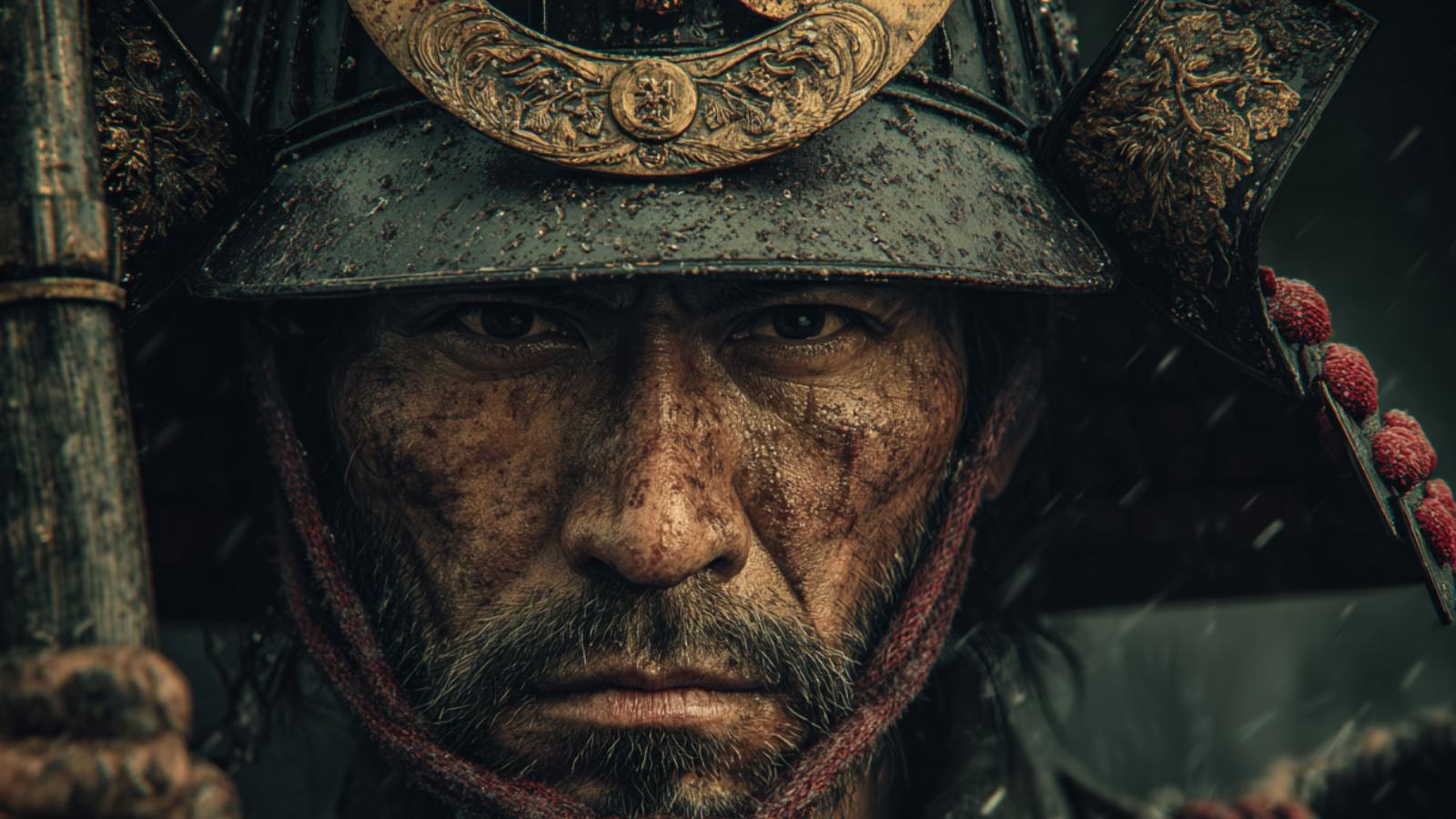
“過去は過去、未来は未来。戦うのは今だ。”
— The past is the past, the future is the future. The battle is now.

| Lead 統率 |
Valor 武勇 |
Intel 知略 |
Pol 政治 |
|---|---|---|---|
| 70 | 65 | 75 | 60 |
| Name (JP) | 小山田 茂誠 |
|---|---|
| Title | Retainer |
| Clan / Force | Unknown |
| Era | 1540 – 1602 |
| Origin | Shinano |
| Key Battles | |
| Arts | Martial Arts |
About Oyamada Shigemasa
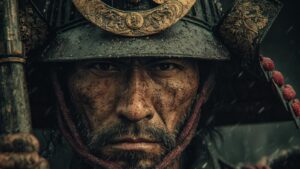
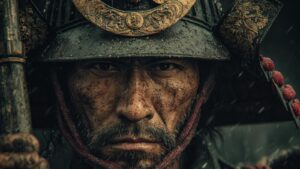
Born in 1540 in Shinano Province, Shigemasa came from a samurai lineage, which predisposed him for a life of service and military engagement.
Growing up amidst the political chaos of the Sengoku period, he honed his martial skills and developed a keen interest in strategy, eager to prove his worth in a time of constant warfare.
Shigemasa began his career as a retainer under the banner of Takeda Shingen, one of the most formidable warlords of the time.
As a young samurai, he quickly earned respect for his bravery and intelligence on the battlefield.
He participated in several crucial campaigns, demonstrating his capabilities as both a warrior and a leader.
His is marked by his loyalty and tactical acumen, enabling him to carve out a respected reputation in an era dominated by great generals.
Oyamada Shigemasa fought valiantly in multiple significant during the Sengoku period.
His involvement in the Battle of Kawanakajima is particularly noteworthy, where he showcased his combat skills against formidable opponents.
Although Shigemasa was not the most recognized figure in the history of his time, his contributions in skirmishes and major conflicts were pivotal in supporting his lord’s ambitions and securing victories against rival clans.
His valor and sound strategy, although overshadowed by more prominent figures, were essential to the success of his efforts in war.
Oyamada Shigemasa passed away in 1602, leaving behind a of honorable service and dedication to the samurai code.
While he may not have achieved the legendary status of some of his contemporaries, his strategic contributions and military leadership are remembered by historians as significant in shaping the outcomes of various conflicts during the Sengoku period.
His life illustrates the complex web of loyalty and warfare that defined the era, and he remains a notable figure for those studying the depths of samurai history.

comment