
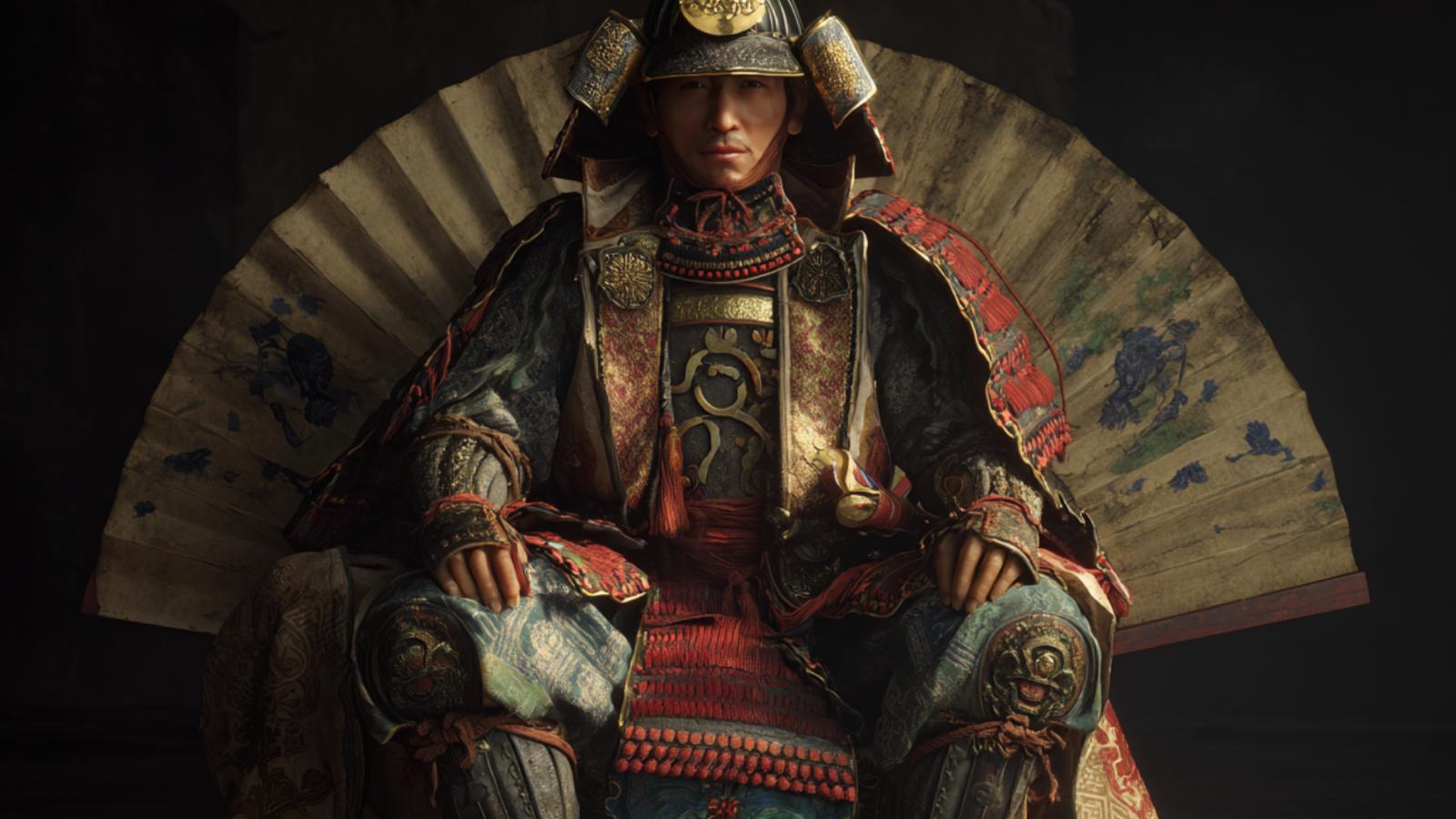
“我が命、武士の心で守り抜く。”
— I shall protect my life with the heart of a warrior.

| Lead 統率 |
Valor 武勇 |
Intel 知略 |
Pol 政治 |
|---|---|---|---|
| 75 | 70 | 80 | 65 |
| Name (JP) | 小山田 信茂 |
|---|---|
| Title | Daimyo |
| Clan / Force | Takeda Clan |
| Era | 1545 – 1603 |
| Origin | Shinano |
| Key Battles | |
| Arts | Japanese Poetry |
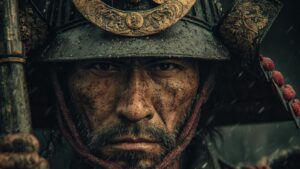
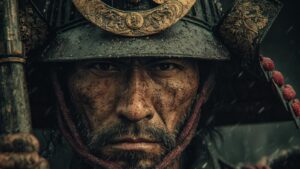
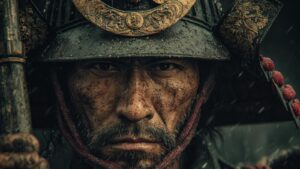
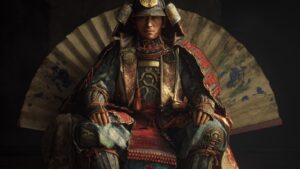
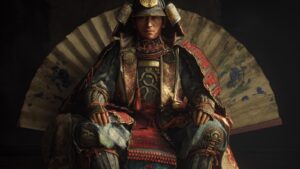
About Oyamada Nobushige
He belonged to the Oyamada clan, which was a prominent shugo (military governor) family in the area.
From a young age, Nobushige was exposed to the samurai culture and trained in the arts of warfare and strategy, reflecting the traditions of his lineage.
As a young warrior, he earned his reputation through valorous deeds in local conflicts, where he demonstrated both skill in combat and an understanding of leadership.
As Nobushige matured, he became a retainer for the powerful warlord Takeda Shingen.
His loyalty and abilities were soon recognized, and he was entrusted with significant military commands.
Following the death of Shingen, Nobushige remained crucial in supporting the Takeda clan during the power struggles that ensued.
His most notable moment came during the Battle of Nagashino in 1575, where he played a part in the meticulous planning against Oda Nobunaga’s forces, showcasing his tactical intelligence and foresight.
Although the Takeda eventually faced defeat, Nobushiges actions highlighted his potential as a capable leader among his peers.
Throughout his military career, Nobushige participated in several key engagements, including the of Mikatagahara and Kawanakajima.
He gained a reputation for his strategic thinking and personal courage in battle, often leading charges that turned the tide in favor of his lord.
Despite being on the side of a declining power, he remained steadfastly loyal to the Takeda, demonstrating a sense of duty typical of samurai warriors.
After the fall of the Takeda clan, he aligned himself with Tokugawa Ieyasu, navigating the complicated landscape of feudal Japan.
This move proved pivotal, as it allowed him to maintain a degree of power and influence even during the shifting allegiances of the late Sengoku period.
By the time of his death in 1603, Nobushige had established himself as a respected figure among samurai and daimyos alike.
His is observed not only in his military exploits but also in his governance style, which emphasized loyalty and honor.
His life encapsulates the struggles and transformations of the Sengoku era, marking him as a notable figure in the annals of Japanese history.
Today, Oyamada Nobushige is remembered for his dedication to the samurai way and his contributions to the turbulent histories of his time.
comment