
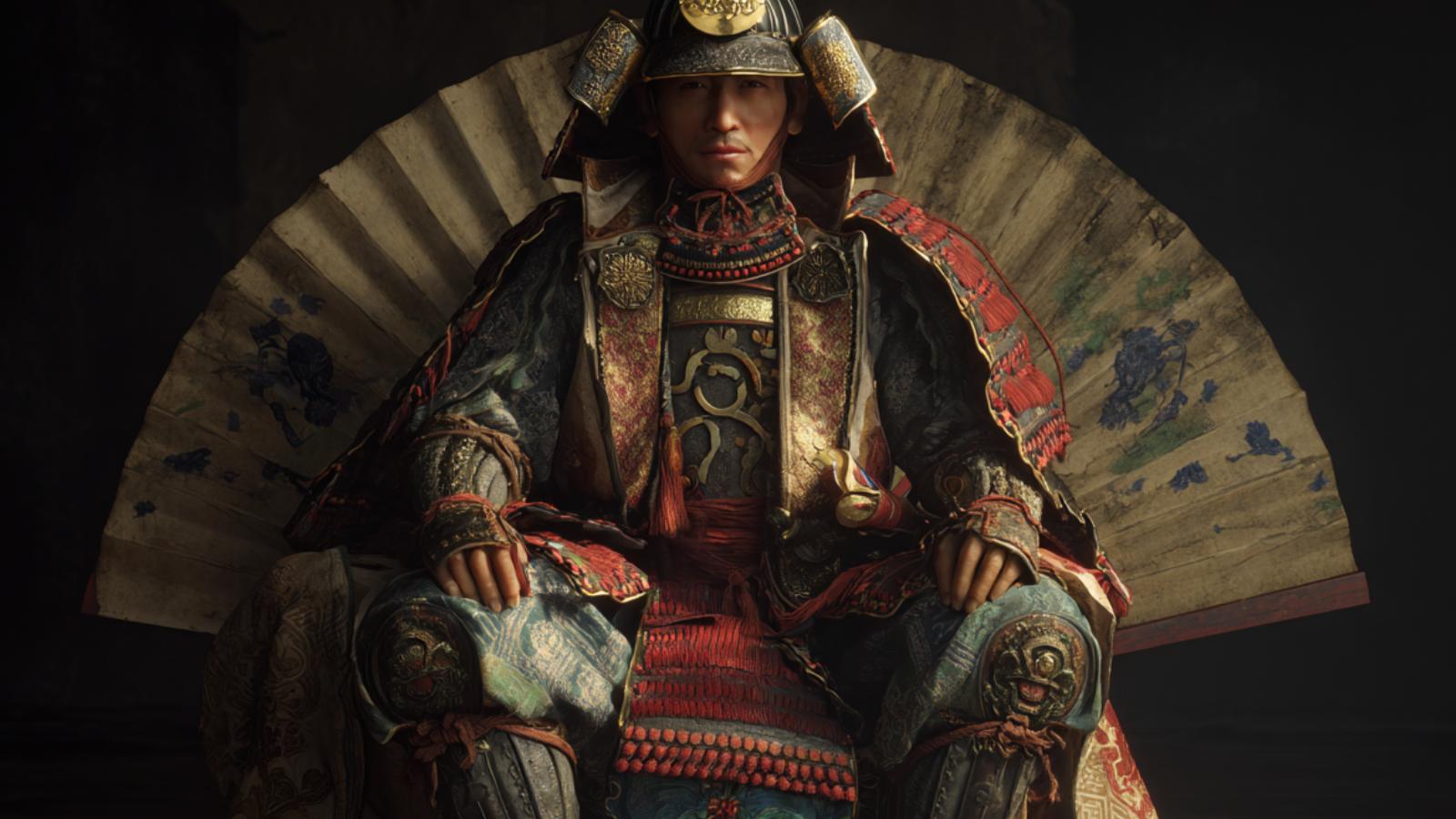
“義は力なり、力は義なり。”
— Justice is strength, and strength is justice.

| Lead 統率 |
Valor 武勇 |
Intel 知略 |
Pol 政治 |
|---|---|---|---|
| 80 | 70 | 75 | 85 |
| Name (JP) | 大内 義隆 |
|---|---|
| Title | Daimyo |
| Clan / Force | Ouchi Clan |
| Era | 1507 – 1551 |
| Origin | Suō |
| Key Battles | |
| Arts | Sado (Tea Ceremony) |
About Ouchi Yoshitaka
Growing up in a prominent samurai family, he was well-educated and trained in the arts of war and governance.
His family was known for its wealth and cultural achievements, which were influenced by their connections with the Ashikaga shogunate.
Despite being a younger son, Yoshitaka positioned himself well within the family dynamics, paving the way for his future role as a leader.
Upon his fathers death in 1551, Ouchi Yoshitaka became the head of the Ouchi clan, which had fallen into decline.
Under his leadership, he sought to restore the clans power by forging strategic alliances and fostering trade.
His diplomatic skills meant he was able to maintain his province’s relative peace, even among the ongoing conflicts of the Sengoku period.
This period of stability allowed him to promote arts and culture in his domain, making Suō a center for refinement and learning.
While not primarily recognized for extensive military conquests, Yoshitaka still played a pivotal role in various skirmishes and conflicts.
He managed to fend off threats from rival clans, leveraging his strategic intelligence rather than sheer military might.
His engagement in showed his valor and commitment to upholding his familys honor, even though he preferred diplomacy and cultural pursuits over war.
He was particularly known for his adeptness in naval warfare along the Inland Sea, which was crucial for trade and influence in the region.
Ouchi Yoshitakas is marked by his ability to blend governance, culture, and military strategy.
Though he struggled to maintain the clans dominance amid the rising power of the Mōri and other factions, his contributions to culture, particularly in tea ceremony and support for the arts, left a lasting impact on Japanese history.
His life illustrates the complexities of samurai leadership during one of Japans most turbulent eras, and he is remembered as a capable leader and a patron of the arts.









comment