
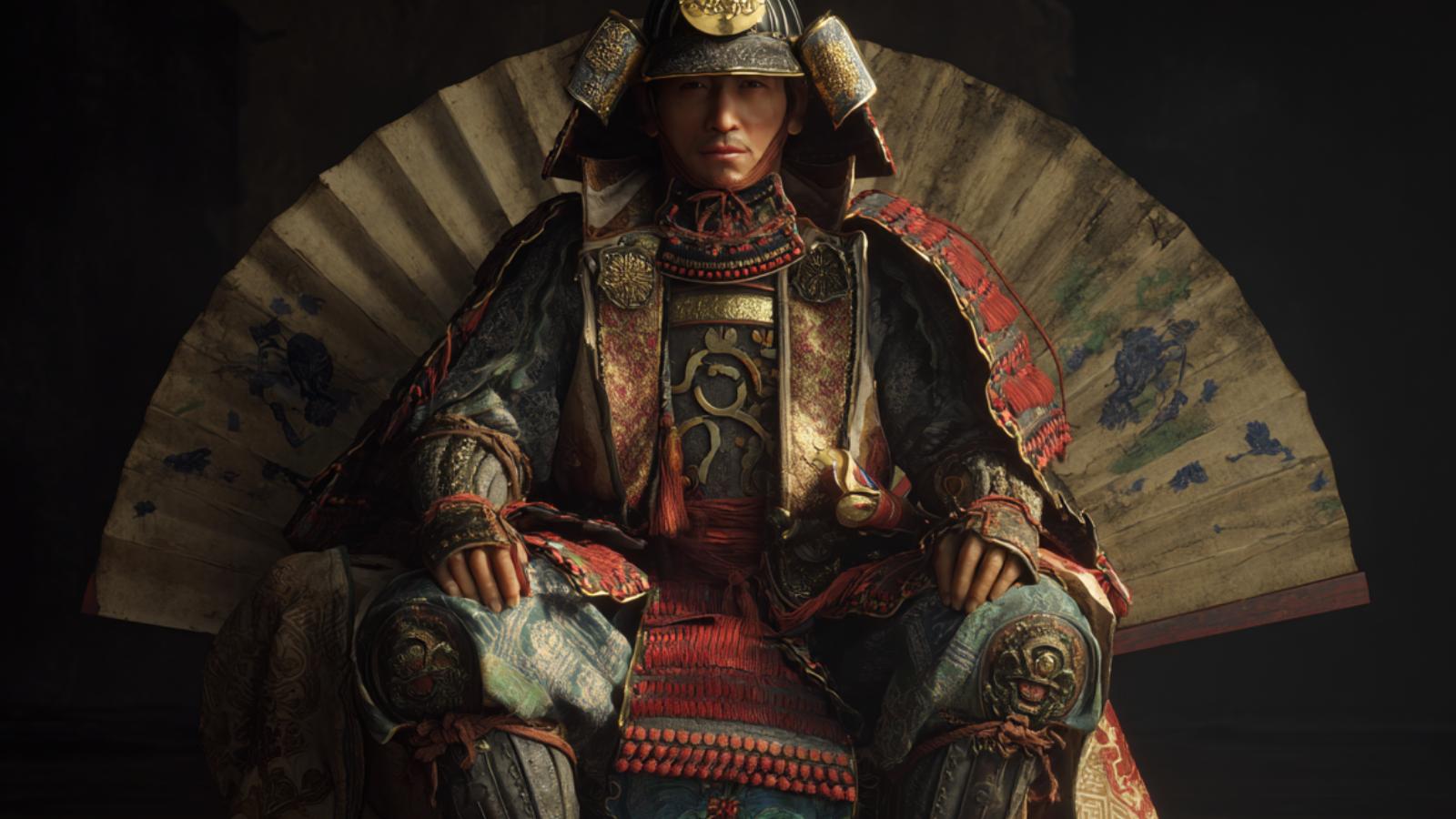
“武士は常に心を持つべし”
— A warrior must always hold his heart.

| Lead 統率 |
Valor 武勇 |
Intel 知略 |
Pol 政治 |
|---|---|---|---|
| 75 | 70 | 80 | 65 |
| Name (JP) | 大内 義長 |
|---|---|
| Title | Daimyo |
| Clan / Force | Ouchi Clan |
| Era | 1534 – 1563 |
| Origin | Suō |
| Key Battles | |
| Arts | Noh Theater |
About Ouchi Yoshinaga
He was the son of Ouchi Yoshitaka, the previous lord of the Ouchi clan, and he inherited the of Daimyo at a young age after his fathers tragic death.
Growing up, Yoshinaga was well-educated in both military tactics and the arts, which shaped his character as a leader who valued culture as much as conquest.
Yoshinaga came into power during a tumultuous time in Japans history, marked by continual conflict among feudal lords.
Despite his youth, he managed to assert his authority and maintain the clans influence throughout the Chugoku region.
He built alliances with other powerful clans and significantly expanded Ouchi territory through both military and diplomatic efforts.
Yoshinaga was known for his keen understanding of politics, managing to keep his domain relatively stable during times of upheaval.
Throughout his reign, he faced multiple challenges from rival clans, including the powerful Mōri clan.
Yoshinagas strategic acumen was evident in several skirmishes and larger engagements, showcasing his capability as a military leader.
However, his valor in battle, while respectable, did not match that of some of his contemporaries.
Nonetheless, he earned respect for his decisions on the battlefield, often choosing tactical retreats over reckless assaults to preserve his forces for future engagements.
Ouchi Yoshinagas is not solely tied to military prowess; he is remembered for his patronage of the arts, particularly in Noh theater, which flourished under his reign.
His commitment to fostering culture in his domain helped strengthen his clans influence and left a lasting impact on the region.
Yoshinaga passed away in 1563, but his contributions have been acknowledged in both historical accounts and cultural memory, underlining the multifaceted role of a daimyo during Japans Sengoku period.









comment