
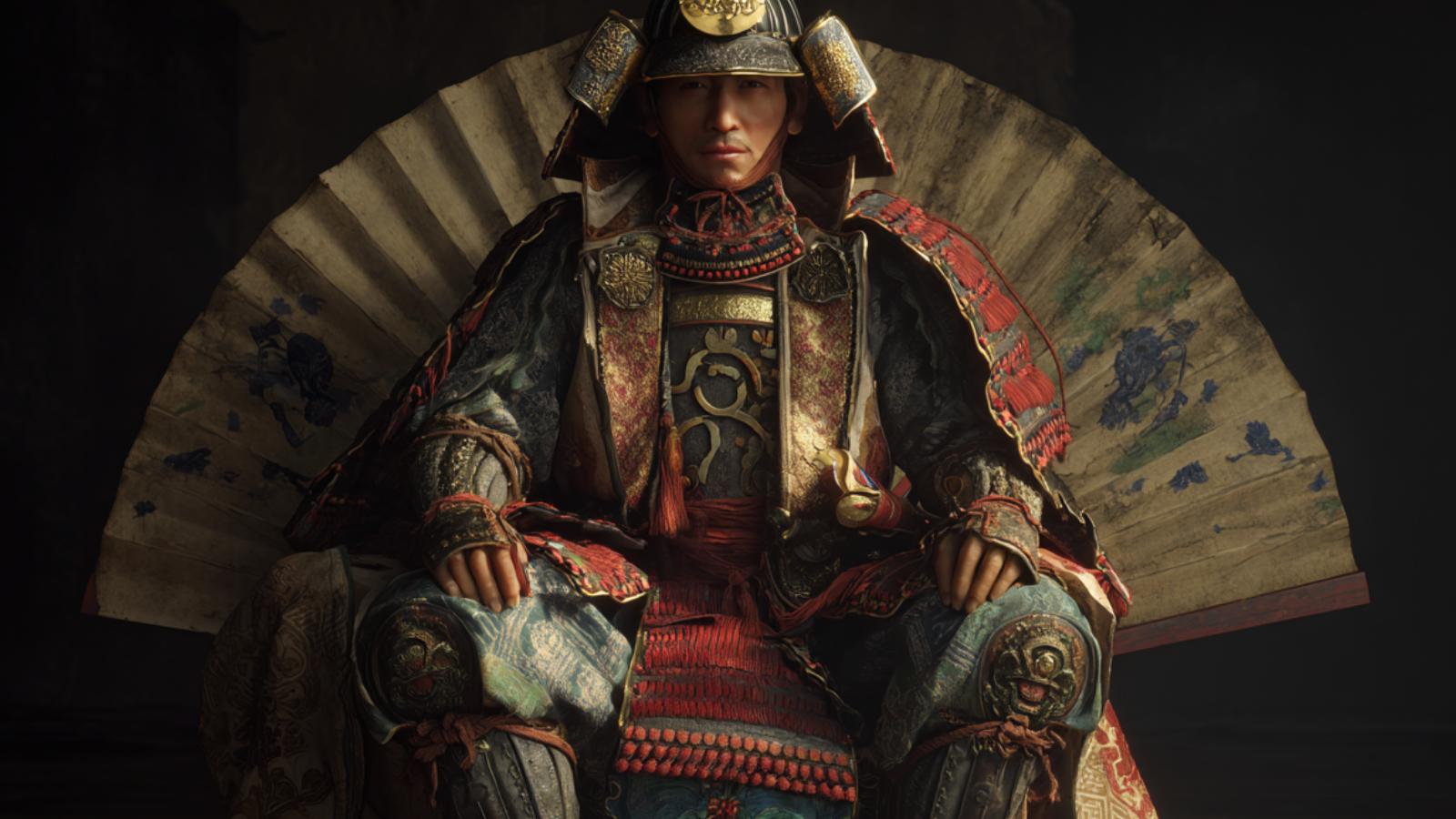
“戦う者の心は、常に鍛え抜かれなければならない。”
— The heart of the warrior must always be tempered.

| Lead 統率 |
Valor 武勇 |
Intel 知略 |
Pol 政治 |
|---|---|---|---|
| 70 | 65 | 75 | 60 |
| Name (JP) | 大内 政弘 |
|---|---|
| Title | Daimyo |
| Clan / Force | Ouchi Clan |
| Era | 1561 – 1633 |
| Origin | Chūgoku |
| Key Battles | |
| Arts | Calligraphy |
About Ouchi Masahiro
Growing up under the influence of his forebears, he was imparted with the values of leadership and governance, and from a young age, showed promise in both military and political domains.
The Ouchi clan, known for its control over the key provinces and famous for its cultural contributions, provided a rich environment for Masahiros early development.
After the decline of his clans power, Masahiro found himself at a crossroads as various factions rose and fell around him.
Demonstrating shrewdness in navigating the political landscape, he managed to align himself with powerful allies while maintaining a delicate balance among rival factions.
His leadership skills began to shine, as he took on more prominent roles and worked to stabilize his region amidst the chaos of the Sengoku period.
While he was not the fiercest warrior on the battlefield, his strategic insights allowed him to command respect among his peers.
Masahiro participated in several key that defined the era.
While his prowess in personal combat was respectable, he was more known for his tactical mindset, often employing innovative strategies that leveraged his knowledge of the terrain and enemy movements.
His ability to foster alliances was pivotal during conflicts, and even in defeat, he was able to salvage relationships that ensured the continued existence of his domain.
Ouchi Masahiro left behind a that transcended mere military accomplishments.
His role as a unifier in the Chūgoku region and his advocacy for culture and the arts, particularly in calligraphy, have endeared him to historians and enthusiasts alike.
While he may not be as celebrated as his contemporaries, his contributions to feudal governance and diplomacy continue to be studied and appreciated to this day.









comment