
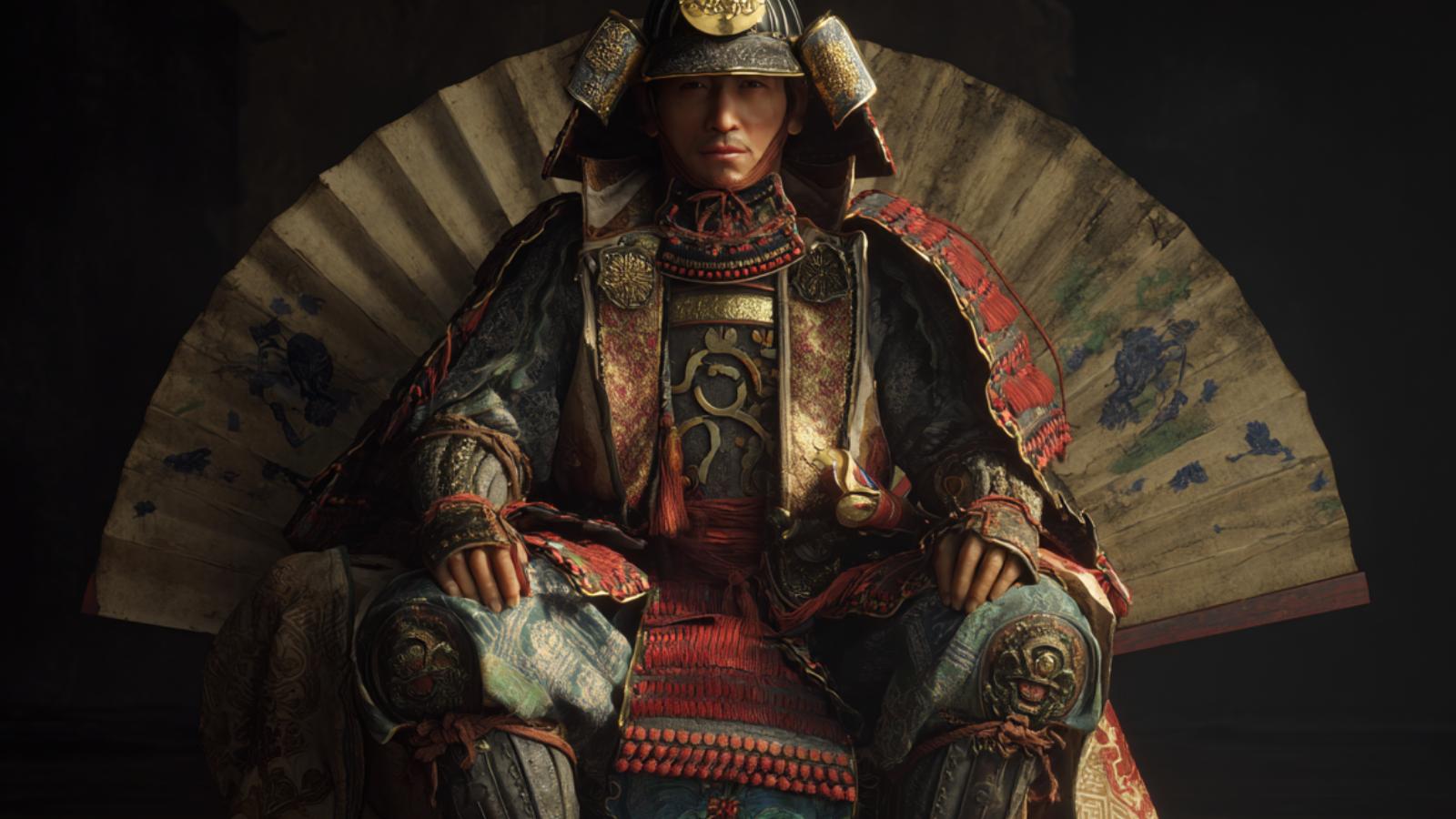
“忠義は最後の言葉です。”
— Loyalty is the final word.

| Lead 統率 |
Valor 武勇 |
Intel 知略 |
Pol 政治 |
|---|---|---|---|
| 75 | 70 | 80 | 65 |
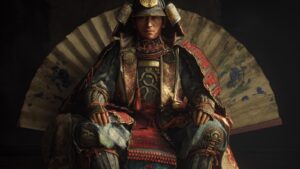
| Name (JP) | 大友 親貞 |
|---|---|
| Title | Daimyo |
| Clan / Force | Otomo Clan |
| Era | 1544 – 1587 |
| Origin | Bungo |
| Key Battles | |
| Arts | Noh Theater |
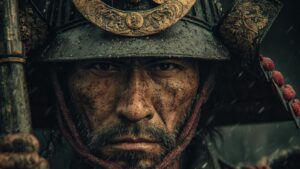
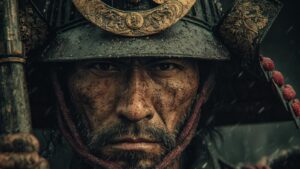
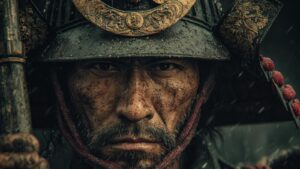
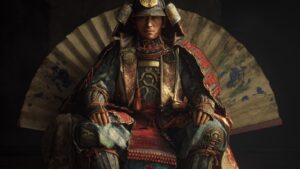
About Otomo Chikasada
From a young age, he was trained in the arts of warfare and governance, inheriting the of his ancestors while navigating the complex political landscape of the time.
His education emphasized not only martial skills but also the cultural aspects of leadership, preparing him for a significant role in the tumultuous Sengoku period.
Chikasada ascended to prominence as a capable leader during a time of great strife, successfully managing the affairs of his domain and gaining the loyalty of his vassals.
His strategic acumen was evident as he played a key role in various alliances, most notably with the Christian missionaries, which helped him strengthen his grip on power.
His governance fostered a cultural renaissance in Bungo, with Noh theater flourishing under his patronage.
Throughout his military career, Otomo Chikasada engaged in numerous skirmishes and, demonstrating a balance of valor and intelligence.
He led forces against rival daimyo and was notably recognized for his defensive strategies.
His notable involvement in the Siege of Bizen established his reputation further, although the outcomes of his campaigns varied.
Chikasadas ability to maintain a degree of autonomy while negotiating the politics of the era was a testament to his skills as a daimyo.
Chikasadas is intertwined with his promotion of culture and the arts, leaving a lasting impact that transcended mere military might.
He is remembered not only for his adeptness in battle but also for his role in shaping the cultural landscape of his region.
As a leader who championed loyalty and arts, his influence outlived his time, inspiring future generations of samurai and daimyo.
Today, Otomo Chikasada is celebrated as a respectable figure in Japanese history, exemplifying the duality of a warrior who valued both sword and pen.
comment