
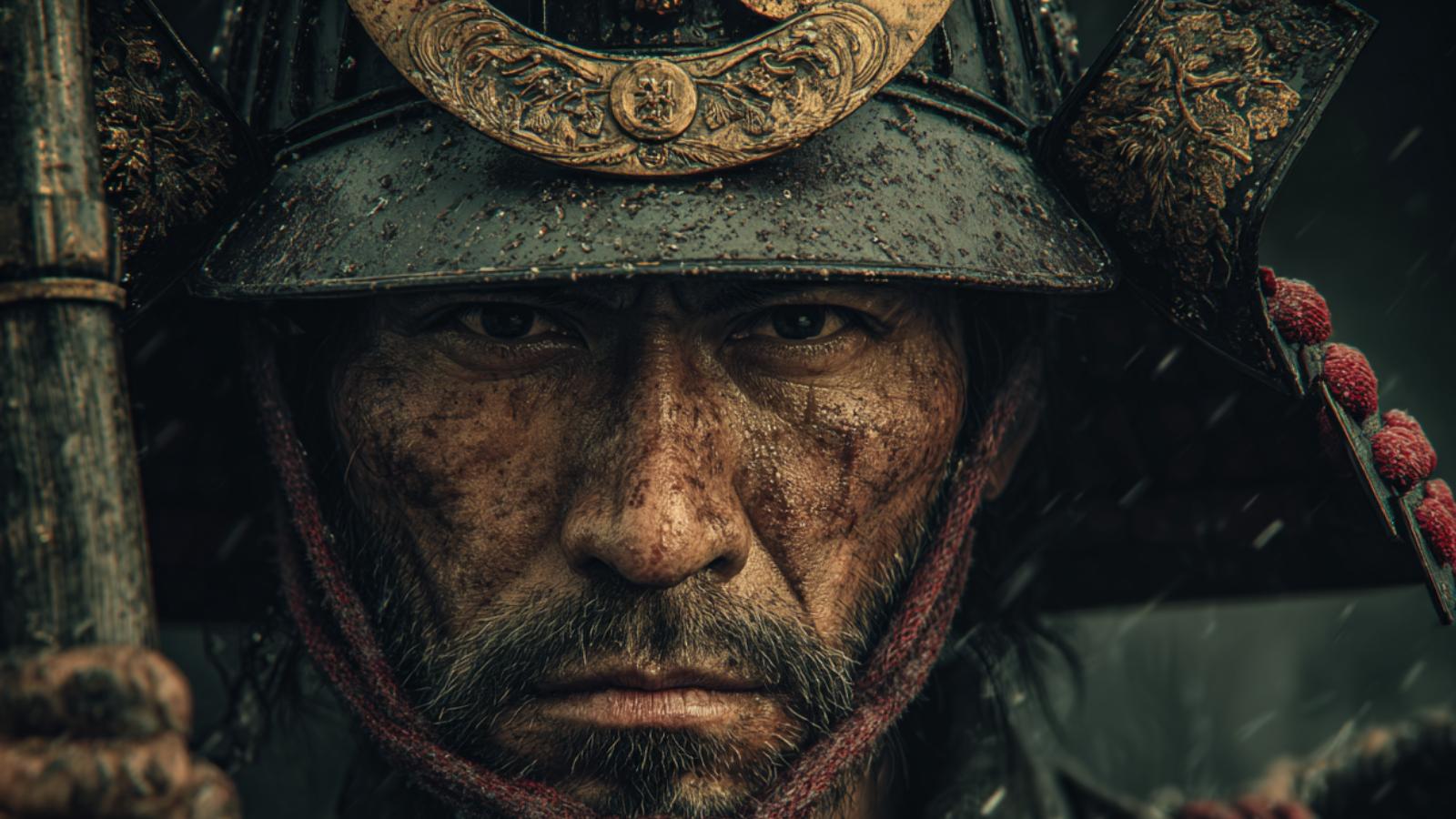
“義を重んじ、忠を尽くす。”
— Cherish righteousness and devote yourself to loyalty.

| Lead 統率 |
Valor 武勇 |
Intel 知略 |
Pol 政治 |
|---|---|---|---|
| 70 | 65 | 75 | 60 |
| Name (JP) | 小野寺 十内 |
|---|---|
| Title | Retainer |
| Clan / Force | Unknown |
| Era | 1540 – 1603 |
| Origin | Mutsu |
| Key Battles | |
| Arts | Noh Theatre |
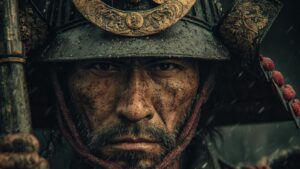
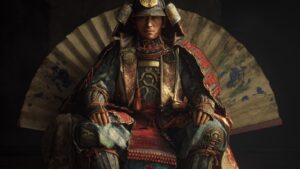
About Onodera Junai
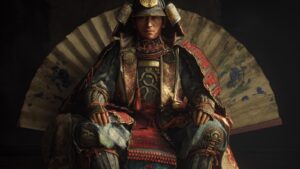
During his youth, he was instilled with the values of honor and loyalty, which were integral to the samurai culture.
His upbringing in a turbulent time shaped his early understanding of warfare and governance, as local clans frequently clashed for power.
As he grew older, Junai aligned himself with influential daimyō in the region.
His keen intellect and ability to rally troops quickly raised his profile, making him a respected figure among his peers.
By his late twenties, he had become a trusted retainer, earning a reputation for his strategic mind and dedication to his lords cause.
Junai fought in several key during the late Sengoku period.
His strategic maneuvers during the conflicts in Mutsu allowed his lord to maintain control over his territory.
Known for his bravery, he often took to the front lines, leading his men with courage.
Despite facing formidable opponents, his tactics helped achieve several significant victories, solidifying his status as a capable general.
Onodera Junais contributions are often overshadowed by more prominent figures of his time, yet his commitment to his lord and his homeland left a lasting impact on the political landscape of Mutsu.
After his death in 1603, he was remembered for his loyalty, bravery, and strategic talents, often cited as an example of the ideal samurai virtues.
comment