
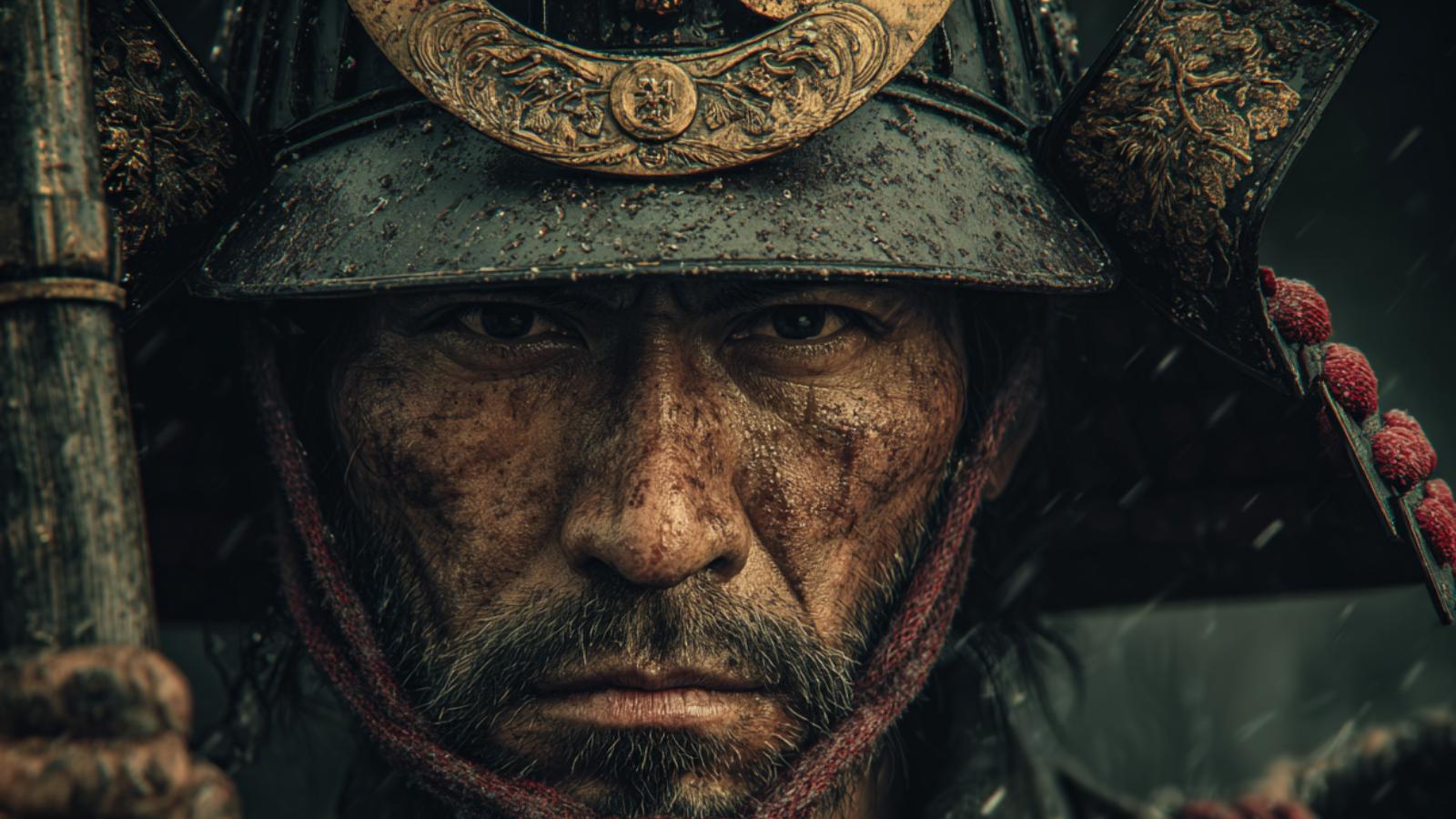
“知恵は力なり、武は心である。”
— Wisdom is power, and strength lies in the heart.

| Lead 統率 |
Valor 武勇 |
Intel 知略 |
Pol 政治 |
|---|---|---|---|
| 70 | 75 | 65 | 60 |
| Name (JP) | 小野 善鬼 |
|---|---|
| Title | Chief Retainer |
| Clan / Force | Unknown |
| Era | 1560 – 1620 |
| Origin | Mutsu |
| Key Battles | |
| Arts | Calligraphy |
About Ono Zenki
Coming from a samurai lineage, he was trained in the ways of the sword from a young age.
His family held a modest position in the feudal hierarchy, which instilled in him the values of loyalty and honor that would later define his life.
As Zenki matured, he quickly became known for his bravery and strategic mind in skirmishes against rival clans.
In the tumultuous years of the late Sengoku period, he gained notoriety as a chief retainer for a lesser-known daimyo, where he helped to jockey for power amid larger, more influential warlords.
His unwavering loyalty and tactical prowess earned him respect among his peers and laid the groundwork for his eventual in status.
Zenki participated in several significant during his service.
Notably, he played a critical role in the Battle of Sekigahara as he supported his lords forces against the opposition.
While not at the forefront, his strategies in flanking maneuvers proved instrumental in the outcomes of several conflicts, showcasing his ability to adapt to rapidly changing battle circumstances.
He definitively earned his reputation not just as a warrior, but as a competent leader with a keen understanding of battlefield dynamics.
Ono Zenkis is remembered in select historical texts as an embodiment of samurai virtues.
Although overshadowed by more prominent figures of his time, his contribution to the stability of Mutsu province and his loyalty to his lord earned him respect from peers and generations that followed.
Zenki’s life story symbolizes the steadfast samurai spirit, navigating the chaos of a transformative era in Japanese history.









comment