
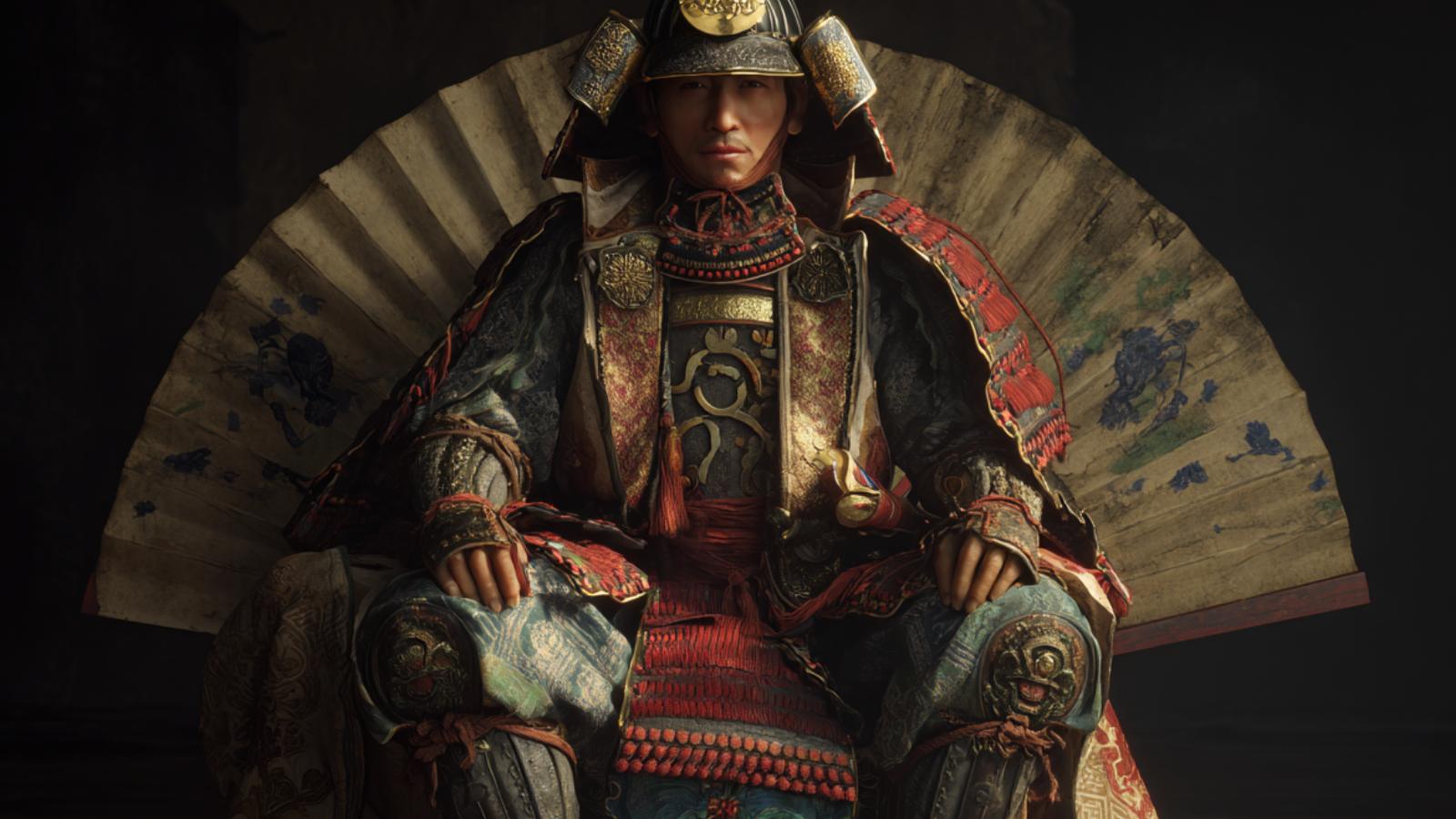
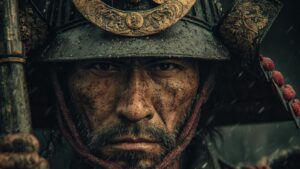
“我が心を強く持て。”
— Hold your heart strong.

| Lead 統率 |
Valor 武勇 |
Intel 知略 |
Pol 政治 |
|---|---|---|---|
| 70 | 75 | 68 | 65 |
| Name (JP) | 小野 忠明 |
|---|---|
| Title | Daimyo |
| Clan / Force | Unknown |
| Era | 1550 – 1613 |
| Origin | Mikawa |
| Key Battles | |
| Arts | Noh Theatre |
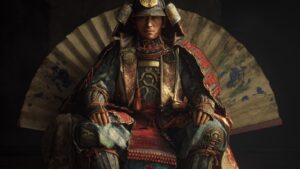
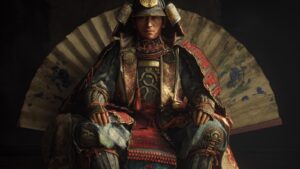
About Ono Tadaaki
Coming from a lineage of shugo, he was groomed from a young age to become a military leader.
His family background provided him with the necessary training in strategy and governance, and he was familiarized with the tumultuous nature of samurai life during the Sengoku period.
As Tadaaki transitioned into adulthood, he began to build his reputation as a capable general.
Although not the most famous warlord of the time, his strategies in the field of battle against rival clans showcased his tactical abilities.
He gained the trust of notable figures and successfully expanded his territory through both military might and diplomatic measures.
Tadaaki’s alignment with bigger houses and serving them faithfully contributed to his as a respected daimyo.
Throughout his life, Tadaaki took part in numerous, including skirmishes against the Takeda clan and other neighboring adversaries.
His valor on the battlefield earned him respect among his peers, and he was often at the forefront, inspiring his retainers with his courage.
While Tadaaki may not have had the legendary of Oda Nobunaga or Tokugawa Ieyasu, he demonstrated significant tactical intelligence in smaller engagements that paved the way for his provincial control.
Ono Tadaaki passed away in 1613, leaving a as a capable leader who contributed to the cultural richness of his domain through Noh theatre sponsorship.
His influence extended beyond military power; he nurtured the arts and left a notable mark on the cultural landscape of Mikawa, looking to uphold traditions even in turbulent times.
comment