
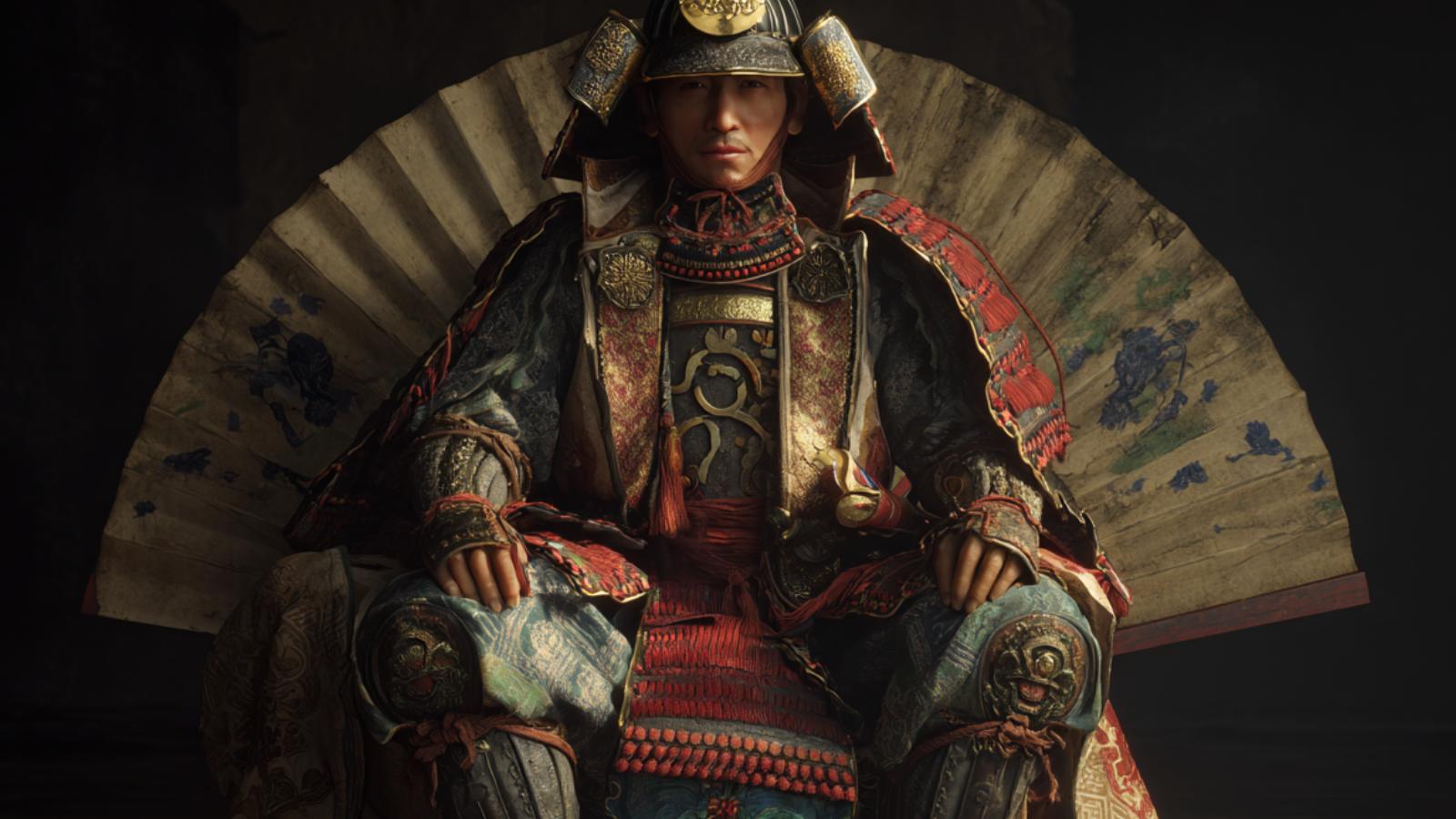
“大海を渡る舟のように、進むべき道を選べ。”
— Like a ship crossing the great sea, choose the path you must take.

| Lead 統率 |
Valor 武勇 |
Intel 知略 |
Pol 政治 |
|---|---|---|---|
| 70 | 75 | 68 | 65 |
| Name (JP) | 大村 由己 |
|---|---|
| Title | Daimyo |
| Clan / Force | Unknown |
| Era | 1533 – 1587 |
| Origin | Mizushima |
| Key Battles | |
| Arts | Noh Theatre |
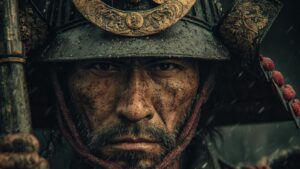
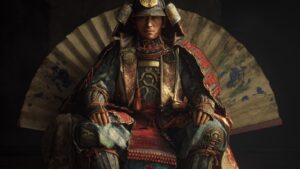
About Omura Yuko
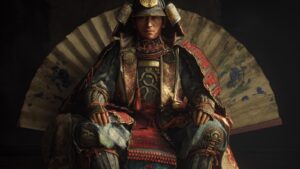
Growing up in a tumultuous period characterized by constant warfare, he was immersed in the samurai culture from an early age.
His family, a branch of the Shugo clan, played a vital role in local governance, providing him with not only military training but also a solid foundation in leadership and politics.
Yuko quickly established himself as a capable commander during the early conflicts of the Sengoku era.
As rival clans fought for dominance, he was able to unify a number of smaller factions under his banner, showcasing not just his military skill but also his diplomatic acumen.
Through strategic marriages and alliances, he fortified his territories and expanded his influence, ultimately earning the of Daimyo.
Throughout his career, Omura Yuko participated in several key, demonstrating valor and leadership.
One of the most notable was the Battle of Mizushima, where he led his men against a larger force, employing guerrilla tactics and clever maneuvers that resulted in a decisive victory.
His reputation as a brave leader grew, earning the respect of both his allies and enemies.
Yukos extends beyond the battlefield; he was also a patron of the arts, particularly Noh Theatre, and was instrumental in supporting cultural development in his province.
After his death in 1587, he was remembered not only for his military accomplishments but also for his contributions to the cultural landscape of Japan during a time of great upheaval.
His story remains a testament to the complexities of leadership in the feudal Japan era.
comment