
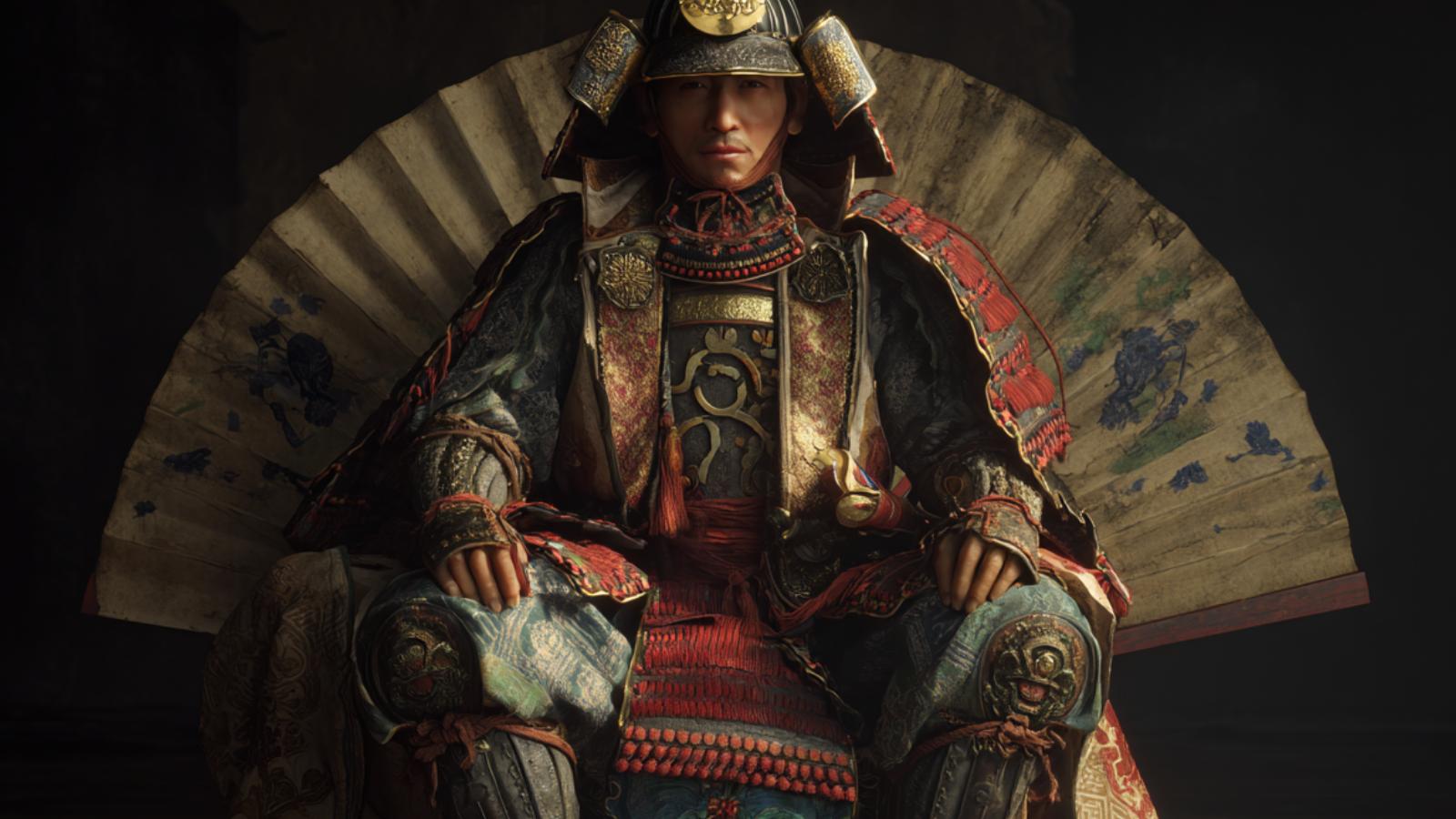
“戦は必ず勝つべし、然ればこそ思うぞ。”
— In battle, one must surely win; only then shall I think.

| Lead 統率 |
Valor 武勇 |
Intel 知略 |
Pol 政治 |
|---|---|---|---|
| 78 | 70 | 75 | 65 |
| Name (JP) | 岡部 元信 |
|---|---|
| Title | Daimyo |
| Clan / Force | Tokugawa Clan |
| Era | 1530 – 1604 |
| Origin | Mikawa |
| Key Battles | |
| Arts | Calligraphy |
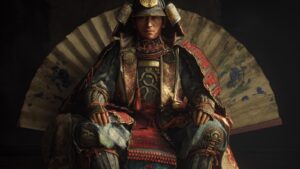
About Okabe Motonobu
He was raised in a turbulent era characterized by constant conflict and power struggles, heavily influencing his early experiences and shaping his ambitions.
Motonobus to prominence came during the late stages of the Sengoku period, where he initially served under the influential daimyo Matsudaira Motonobu.
His capabilities in warfare and keen strategic mind quickly caught the attention of his superiors, allowing him to become a trusted commander.
He was a loyal supporter of Tokugawa Ieyasu, contributing significantly to the unification efforts of Japan through military campaigns and alliances.
Throughout his career, Motonobu participated in several crucial, including the Battle of Sekigahara in 1600, which paved the way for Tokugawas eventual dominance over Japan.
His valor was displayed time and again on the battlefield, and while he may not have achieved legendary status like some of his contemporaries, his contributions to strategy and command were highly respected.
His reputation as a capable retainer earned him the of Daimyo later in his life.
Motonobu passed away in 1604, leaving behind a that emphasized loyalty, strategy, and the importance of governance during one of Japans most chaotic eras.
He is remembered as a figure who contributed to the foundation of the Tokugawa shogunate and the relative peace that followed, showcasing the significance of capable leadership in a time of constant warfare.
comment