
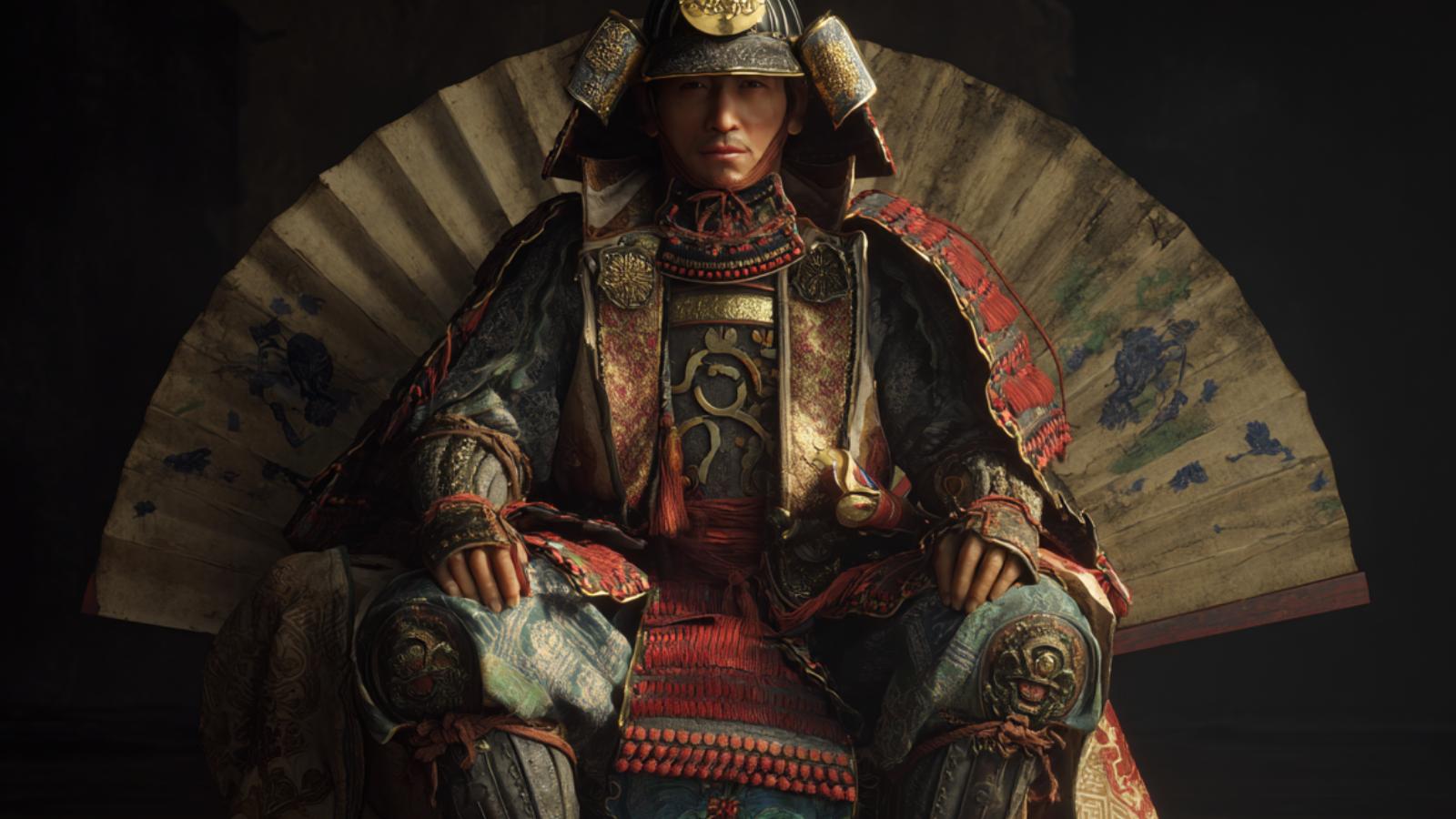
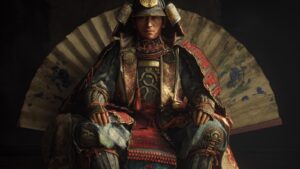
“武士は信義を守るもの、時を逃すことなかれ。”
— A samurai must uphold loyalty; let not time slip away.

| Lead 統率 |
Valor 武勇 |
Intel 知略 |
Pol 政治 |
|---|---|---|---|
| 70 | 65 | 75 | 60 |
| Name (JP) | 岡 家利 |
|---|---|
| Title | Daimyo |
| Clan / Force | Unknown |
| Era | 1521 – 1587 |
| Origin | Kamitsu |
| Key Battles | |
| Arts | Noh Theatre |
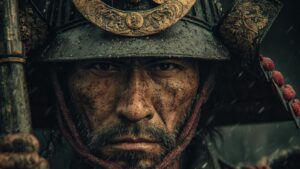
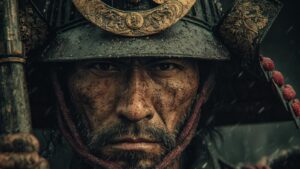
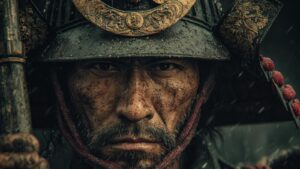
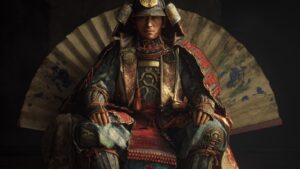
About Oka Ietoshi
His formative years were shaped by the relentless that characterized the era, exposing him to the harsh realities of samurai life at an early age.
Ietoshi distinguished himself as a capable leader and strategist during regional, gaining recognition for his tactical awareness.
His ability to adapt and respond to the ever-changing landscape of warfare allowed him to through the ranks swiftly.
By the time he became a daimyo, he had built a reputation for his keen insight and leadership skills among his peers and allies.
Throughout his career, Oka Ietoshi engaged in several notable conflicts, including skirmishes against rival clans seeking to expand their territories.
His valor in battle and his ability to rally his troops played a crucial role in defending his holdings in Kamitsu.
While not as renowned as other generals of his time, Ietoshis were marked by a strategic finesse that earned him the respect of his contemporaries.
Oka Ietoshis is remembered in the annals of Japanese history as a dedicated samurai who focused on his loyalty to his clan.
Though overshadowed by more prominent figures, his contributions during the Sengoku period shaped the regional governance and military tactics that would influence future generations of warriors.
His commitment to the arts, particularly Noh theatre, also reflected the cultural values of his time, intertwining martial prowess with artistic appreciation.
comment