
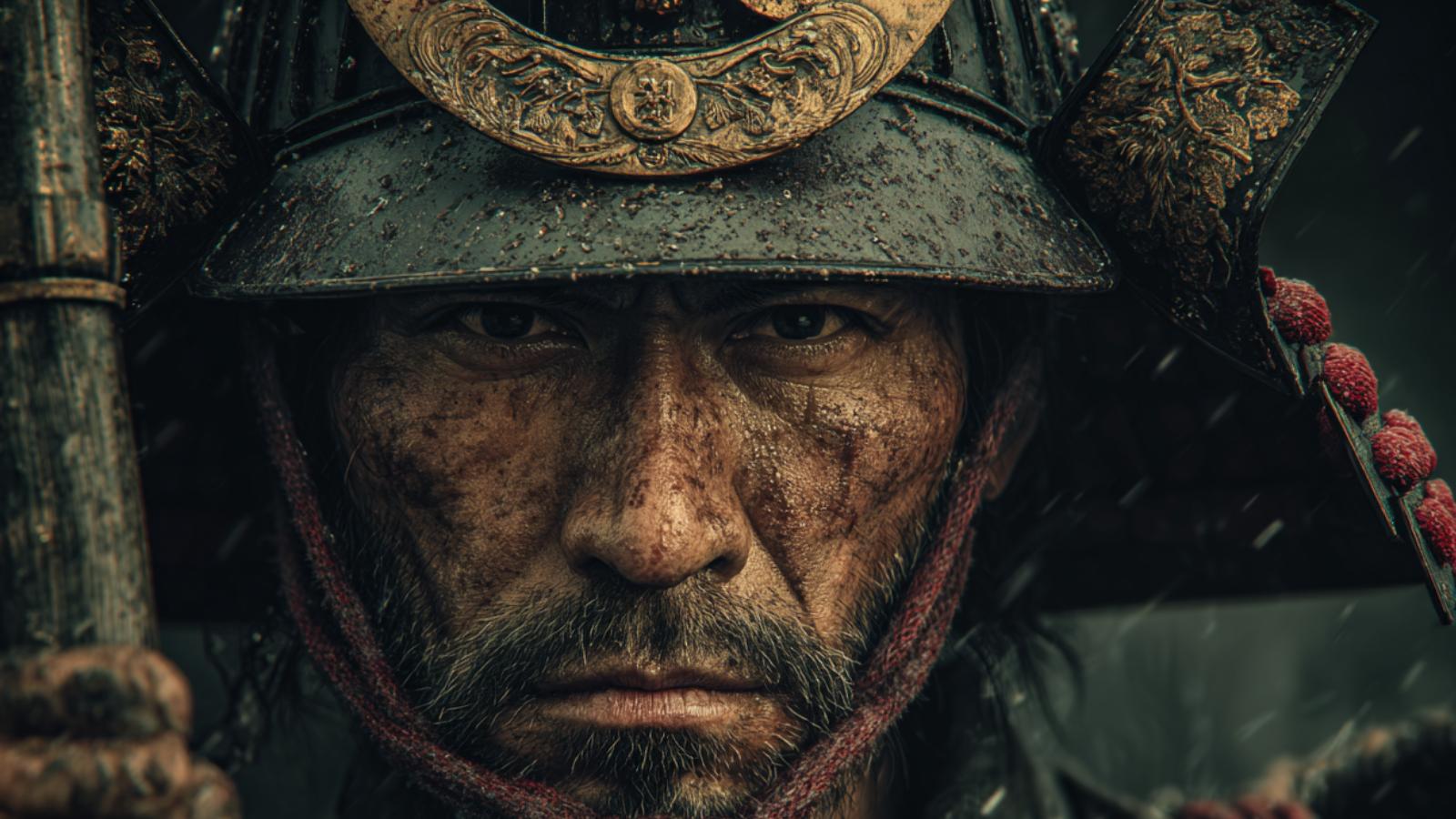
“道德は行動から生まれる。”
— Morality is born from action.

| Lead 統率 |
Valor 武勇 |
Intel 知略 |
Pol 政治 |
|---|---|---|---|
| 56 | 30 | 85 | 75 |
| Name (JP) | 荻生 徂徠 |
|---|---|
| Title | Scholar |
| Clan / Force | Unknown |
| Era | 1666 – 1728 |
| Origin | Harima |
| Key Battles | |
| Arts | Confucianism |
About Ogyu Sorai
His early education was influenced by traditional Japanese and Chinese philosophies, particularly Confucianism.
Sorai studied under the leading intellectuals of his time, developing a deep understanding of both Confucian texts and their applications to Japanese society.
In the late 17th century, Sorai emerged as a significant figure in the realm of philosophical thought.
He advocated for a return to the classical Confucian texts, emphasizing the importance of ethics and moral governance over the more pragmatic approaches common in his era.
His teachings gained traction among scholars and samurai alike, positioning him as a key intellectual of the Edo period.
While Ogyu Sorai did not engage in military, his intellectual against the prevalent Neo-Confucianism and the Tokugawa shogunate’s policies were significant.
He faced opposition from more traditional scholars who viewed his ideas as radical, but he steadfastly promoted his vision of a more personalized and ethical governance system based on Confucian principles.
Ogyu Sorais influence is felt in modern Japanese philosophy, where his writings continue to be studied for their insights into ethics, governance, and the role of the individual in society.
His strong emphasis on morality and personal action has left a lasting mark on Japanese intellectual history.









comment