
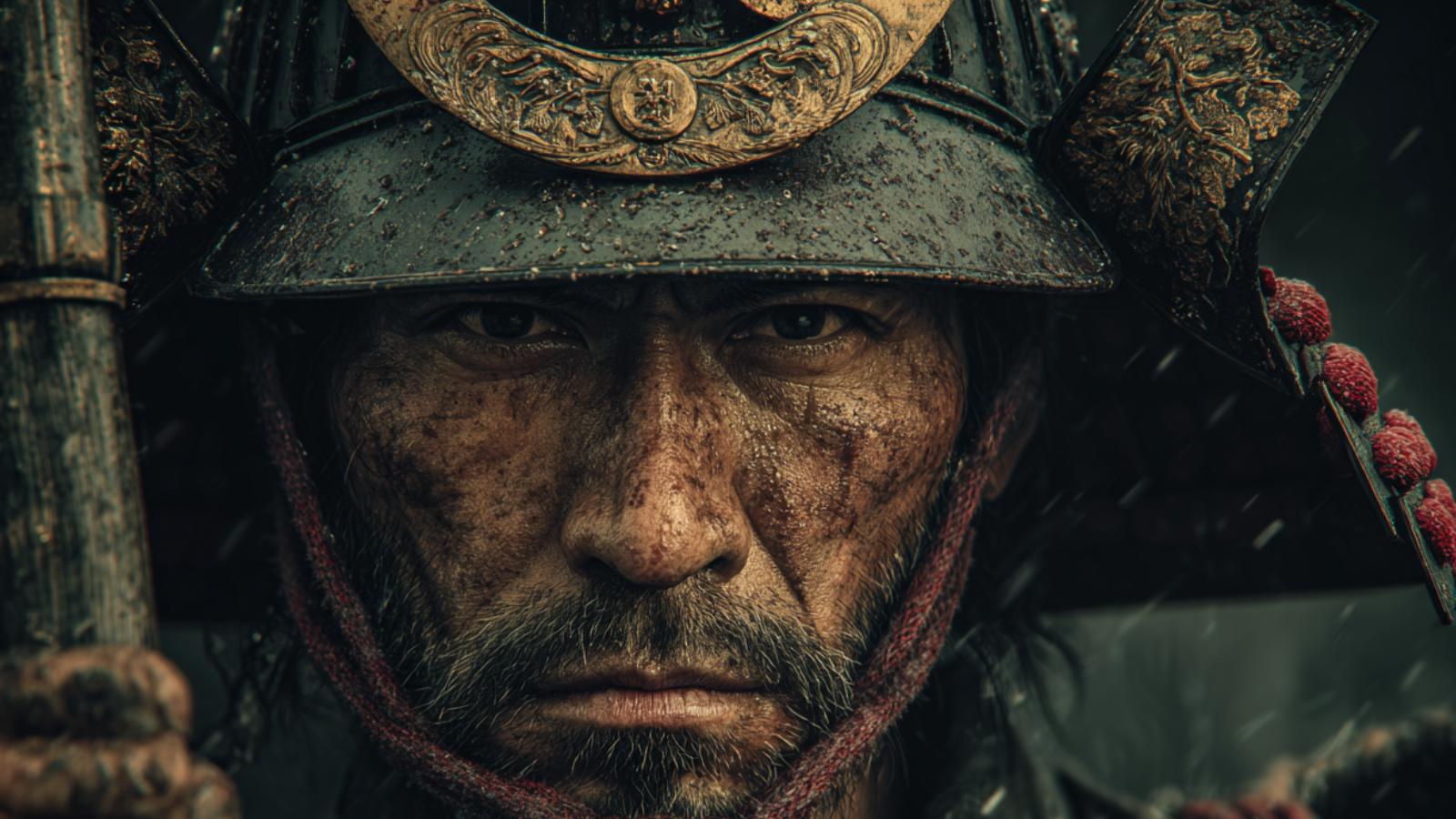
“剣は心で振るうものだ。”
— The sword is swung with the heart.

| Lead 統率 |
Valor 武勇 |
Intel 知略 |
Pol 政治 |
|---|---|---|---|
| 75 | 70 | 80 | 65 |
| Name (JP) | 小笠原 康広 |
|---|---|
| Title | Bushi |
| Clan / Force | Unknown |
| Era | 1540 – 1614 |
| Origin | Suzu |
| Key Battles | |
| Arts | Ikebana |
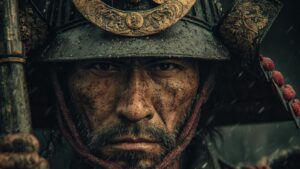
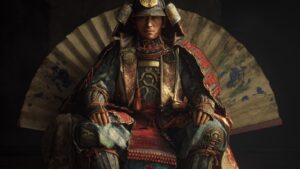
About Ogasawara Yasuhiro
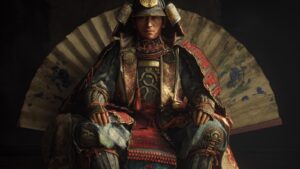
Coming from a line of shugo, he was immersed in the martial traditions and governance from an early age.
His education included military training under prominent samurai, adopting the principles that would guide his strategies in the future.
Yasuhiros career began as a minor retainer before he quickly progressed through the ranks due to his keen understanding of warfare and the complexities of samurai politics.
By his early thirties, he had become a respected bushi with a reputation for both strategic brilliance and personal bravery.
His alliances and tactical decisions during pivotal skirmishes positioned him as a significant player in regional conflicts, often collaborating with more renowned daimyos of the time.
Throughout his military career, Yasuhiro participated in several important, where his intelligence shone through.
He was known for his ability to adapt tactics based on the enemys movements and for utilizing the terrain to his advantage.
While he was not always leading the charge himself, his insights contributed to many victorious campaigns, earning him the trust of his peers and superiors alike.
His bravery in battle was notable, but it was his sharp mind that ultimately defined his .
Ogasawara Yasuhiros impact was felt long after his death in 1614.
Though not as legendary as some of his contemporaries, he is remembered as a capable general whose contributions shaped the military landscape of his time.
His blend of intelligence, valor, and diplomacy solidified his role in samurai history, and his teachings were passed down through generations.
Despite being a lesser-known figure compared to the likes of Nobunaga or Ieyasu, Yasuhiros continues to be an inspirational chapter in Japans rich history.
comment