
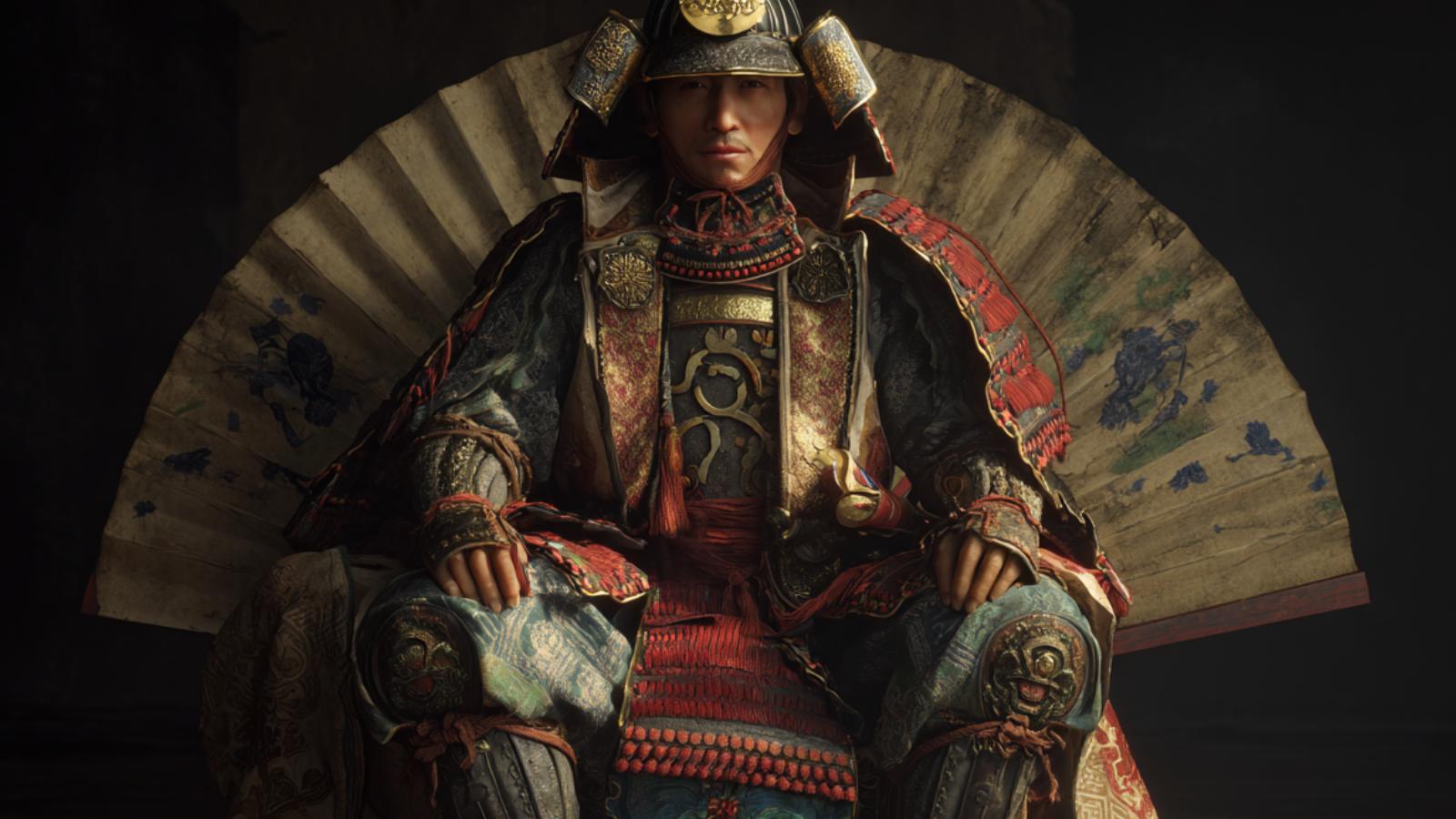
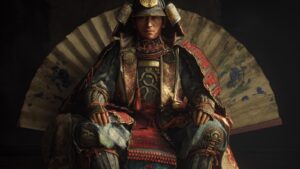
“忠誠は我が命の証なり。”
— Loyalty is the proof of my existence.

| Lead 統率 |
Valor 武勇 |
Intel 知略 |
Pol 政治 |
|---|---|---|---|
| 75 | 70 | 80 | 65 |
| Name (JP) | 小笠原 長時 |
|---|---|
| Title | Daimyo |
| Clan / Force | Ogasawara Clan |
| Era | 1553 – 1620 |
| Origin | Musashi |
| Key Battles | |
| Arts | Calligraphy |
About Ogasawara Nagatoki
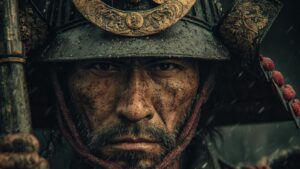
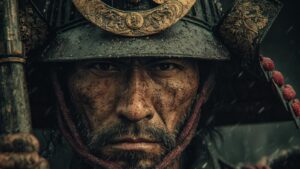
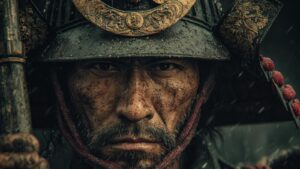
From a young age, Nagatoki was trained in the arts of war, strategy, and leadership, aiming to uphold his familys reputation and the honor of the samurai class.
Nagatokis to prominence began in the late 16th century during a period characterized by regional conflicts and the quest for power among daimyos.
He distinguished himself in several regional skirmishes and quickly earned the respect of his peers due to his tactical acumen and bravery in battle.
His strategies often turned the tide in favor of his lord during crucial engagements, solidifying his standing as a capable general.
Throughout his career, Nagatoki participated in numerous that defined the Sengoku period.
His greatest engagement was at the Battle of Sekigahara in 1600, where he fought valiantly alongside his allies.
His ability to assess the battlefield and make quick decisions played a vital role in his clans survival and influence during these tumultuous times.
His valor in battle, although not legendary, earned him a solid reputation among his contemporaries.
After the tumult of the Sengoku period, Nagatoki became renowned not just for his military contributions but also for his dedication to governance and the arts.
As a daimyo, he emphasized the importance of culture within his domain, promoting the art of calligraphy and the values associated with it.
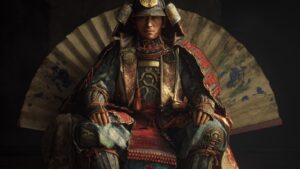
Ogasawara Nagatoki remains a respected figure in samurai history, illustrating the balance between war and culture, loyalty and strategy.

comment