
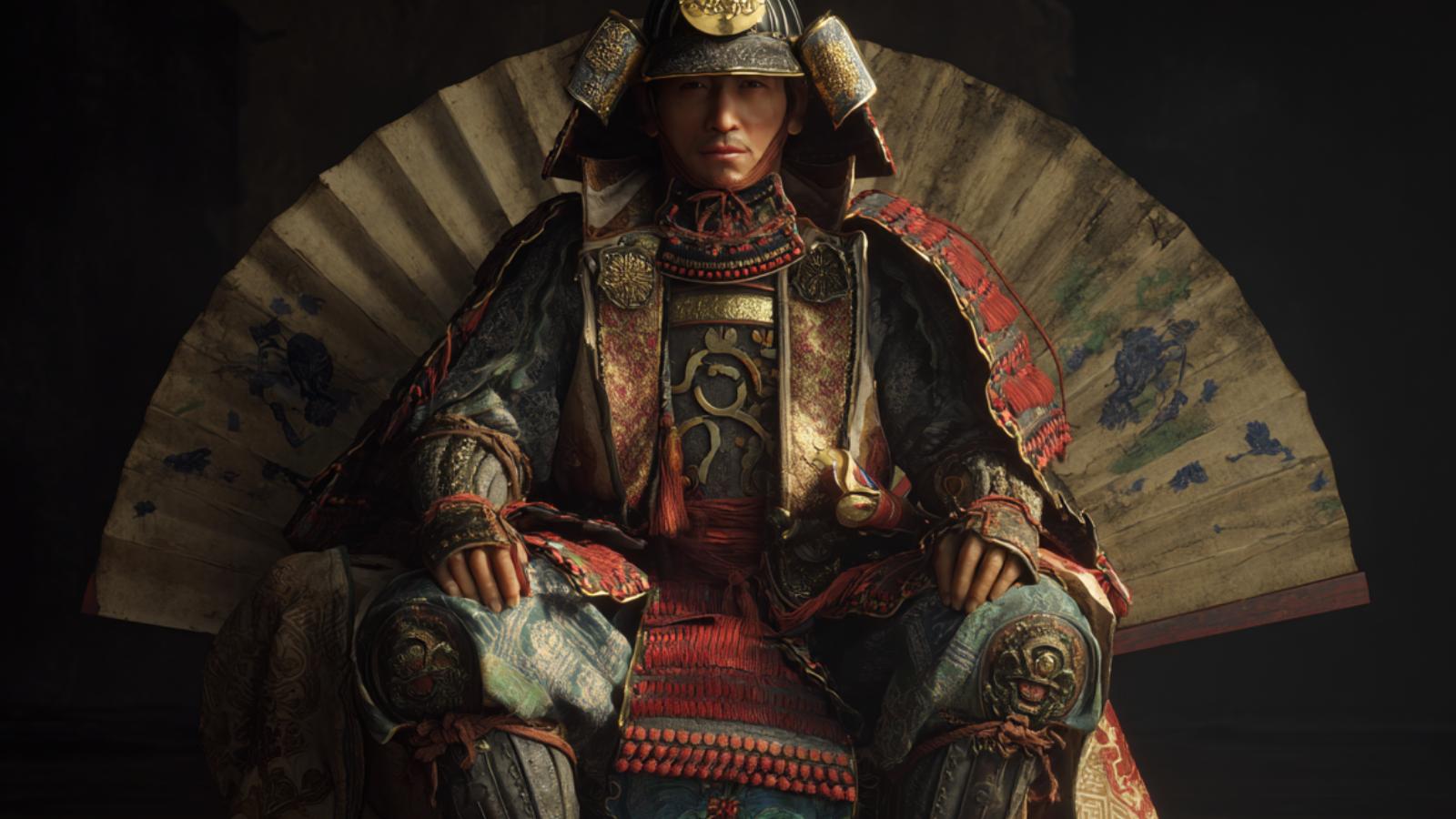
“正義のために戦う、それこそが真の武士である。”
— To fight for justice, that is the true essence of a warrior.

| Lead 統率 |
Valor 武勇 |
Intel 知略 |
Pol 政治 |
|---|---|---|---|
| 68 | 65 | 72 | 70 |
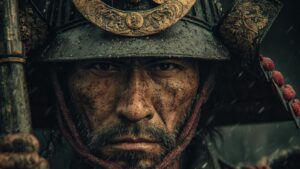
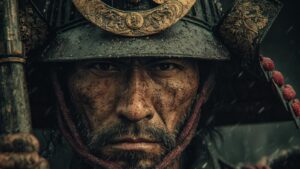
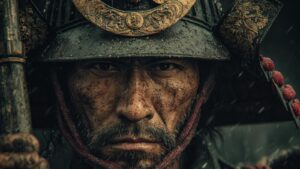
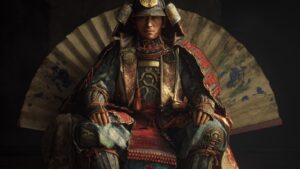
| Name (JP) | 織田 信雄 |
|---|---|
| Title | Daimyo |
| Clan / Force | Oda Clan |
| Era | 1548 – 1622 |
| Origin | Owari |
| Key Battles | |
| Arts | Calligraphy |
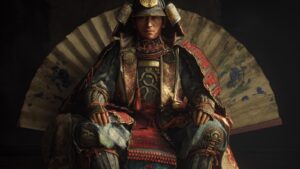
About Oda Nobukatsu
Raised in the turbulent times of the Sengoku period, Nobukatsu was groomed for leadership from an early age.
He received a traditional samurai education, learning not only the art of war but also the values and responsibilities of a daimyo.
As a member of the Oda family, he was involved in the significant military and political developments that shaped Japan during this era.
Following Nobunagas death in 1582, Nobukatsu found himself in a struggle for influence among the Oda clans retainers and other daimyos.
Initially aligning himself with his younger brother Oda Nobutaka, their faction soon faced opposition from Toyotomi Hideyoshi, who sought to consolidate power over the remnants of the Oda clan.
Nobukatsu endeavored to uphold his fathers, striving to maintain the clans strength and territory amid the fierce power struggles of the period.
During the conflicts that followed his fathers death, Nobukatsu participated in several, including the pivotal resistance against Hideyoshis advances.
Although he demonstrated capable leadership and tactical awareness, his forces were eventually outmatched, leading to a decline in his political power.
Eventually, after the defeat of Oda Nobutaka, Nobukatsu resigned himself to a lesser political role while continuing to influence regional matters in Owari through diplomacy and governance rather than outright military engagements.
Oda Nobukatsus is often overshadowed by his more famous relatives, yet he is remembered as a capable daimyo who attempted to preserve the Oda clan’s influence during a critical period in Japanese history.
While he never reached the heights of power achieved by his father or Toyotomi Hideyoshi, his dedication to justice and culture, particularly his interest in calligraphy, marked him as a notable figure of his time.
Nobukatsu’s life reflects the story of many samurai who navigated the complexities of loyalty, ambition, and survival in the Sengoku period.
comment