
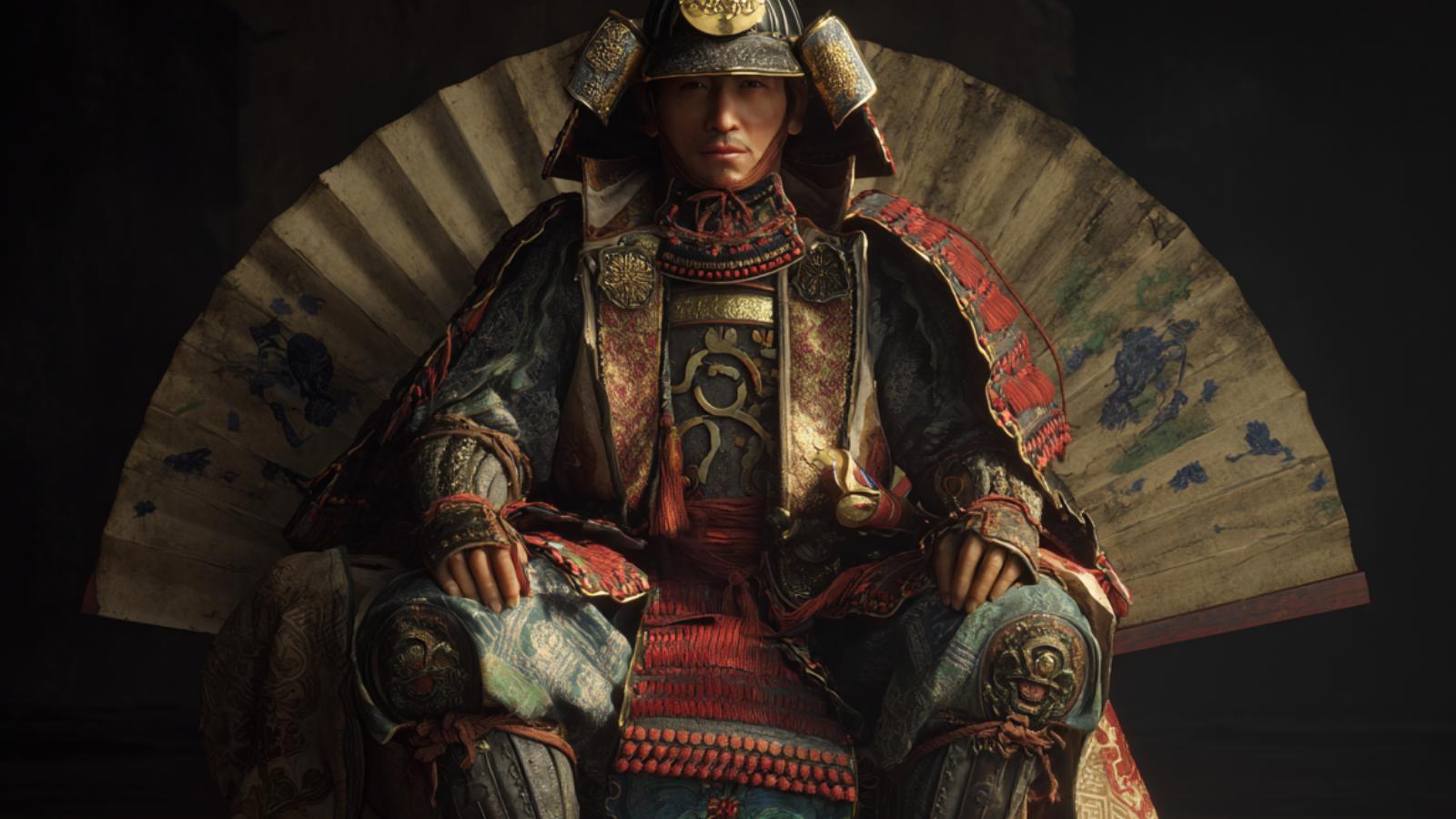
“武士は死を恐れず、名を重んじる。”
— A samurai fears not death, but values his name.

| Lead 統率 |
Valor 武勇 |
Intel 知略 |
Pol 政治 |
|---|---|---|---|
| 78 | 85 | 72 | 60 |
| Name (JP) | 飯富 虎昌 |
|---|---|
| Title | Daimyo |
| Clan / Force | Taira Clan |
| Era | 1540 – 1606 |
| Origin | Mutsu |
| Key Battles | |
| Arts | Martial Arts |
About Obu Toramasa
His upbringing was steeped in the traditions of bushido, the way of the warrior.
Raised in a turbulent era marked by constant conflict among rival clans, he trained rigorously in martial arts and strategy from a young age.
This foundation would serve him well as he matured into a notable military leader.
As a young samurai, Toramasa began his career serving under the influential Date clan, where he quickly gained a reputation for his bravery in battle.
His tactical acumen was evident in various skirmishes and larger .
His mentors recognized his potential and entrusted him with greater responsibilities, leading to his ascension within the samurai hierarchy.
By the late 1570s, he had earned the of daimyō, commanding significant respect and loyalty from his vassals.
Throughout his career, Toramasa participated in several notable, exhibiting exceptional leadership and combat prowess.
His engagements included confrontations with the powerful Hojo and Uesugi clans, where he often outmaneuvered his adversaries through a combination of strategic insight and fierce fighting skills.
His bravery in these won him accolades from both his allies and foes.
Obu Toramasa’s influence persisted beyond his death in 1606.
He is remembered not only as a capable warrior but as a leader who upheld the values of loyalty and courage amidst the chaos of the Sengoku period.
His lived on through his descendants, who continued to serve and shape the future of Japan in the subsequent peaceful eras.
Toramasas life exemplifies the spirit of the samurai, one marked by honor and resilience.









comment