
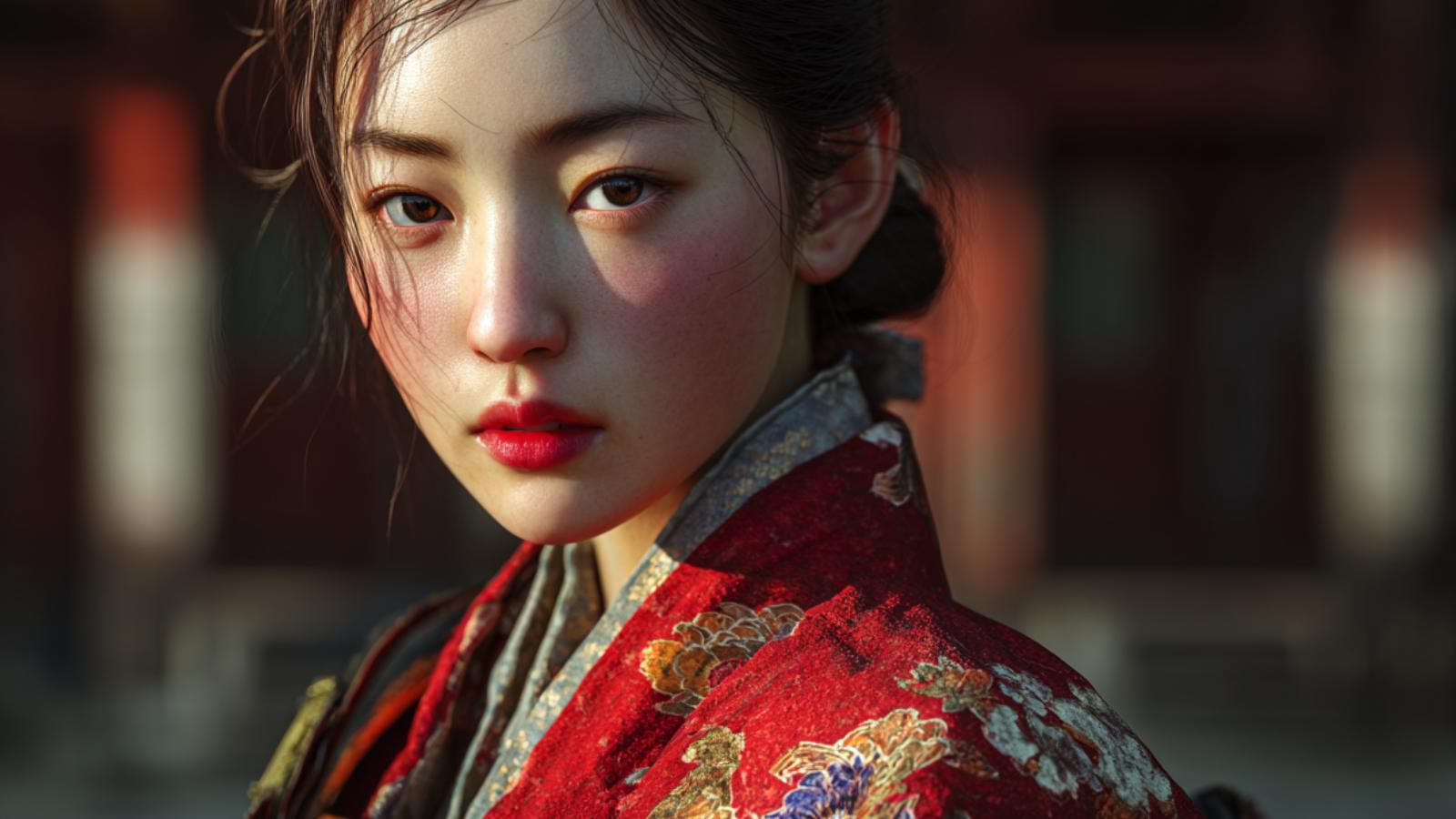
“私の心は静かで、戦を知りません。”
— My heart is calm, and I know nothing of war.

| Lead 統率 |
Valor 武勇 |
Intel 知略 |
Pol 政治 |
|---|---|---|---|
| 65 | 50 | 75 | 80 |
| Name (JP) | 濃姫 |
|---|---|
| Title | Daimyo |
| Clan / Force | Oda Clan |
| Era | 1547 – 1622 |
| Origin | Mino |
| Key Battles | |
| Arts | Tea Ceremony |
About Nohime
As the daughter of Azai Hisamasa, she was raised in a politically charged atmosphere, where her family played a significant role in the regional power struggles.
This early exposure to the complexities of feudal politics and alliances laid the groundwork for her future as a diplomatic figure in her husbands reign.
In 1565, Nohimes marriage to Oda Nobunaga was arranged, cementing a strategic alliance between the Oda and Azai clans.
This union not only enhanced Nobunagas influence but also marked Nohime as a pivotal figure in the political landscape of the time.
Though initially perceived primarily as a political pawn, she quickly proved her worth by facilitating important alliances and navigating the treacherous waters of Sengoku politics.
While Nohime was not a warrior in the traditional sense, her impact on lay more in her ability to influence her husband and other political figures.
She managed to foster loyalty among the Oda retainers and skillfully handled diplomatic relations.
Her role was crucial during times of conflict, particularly as Nobunaga faced numerous adversaries seeking to undermine his power.
Nohimes transcends her marriage to Nobunaga.
After his death in 1582, she continued to play a significant role in the ongoing struggles for power, demonstrating that her influence extended well beyond providing heirs.
She is remembered as a strong and intelligent woman who navigated the intricacies of feudal Japans politics during one of its most tumultuous eras.
Nohime remains a symbol of female agency in a time when women were often relegated to the background, showcasing that intelligence and political acumen can be as formidable as martial prowess.








comment