
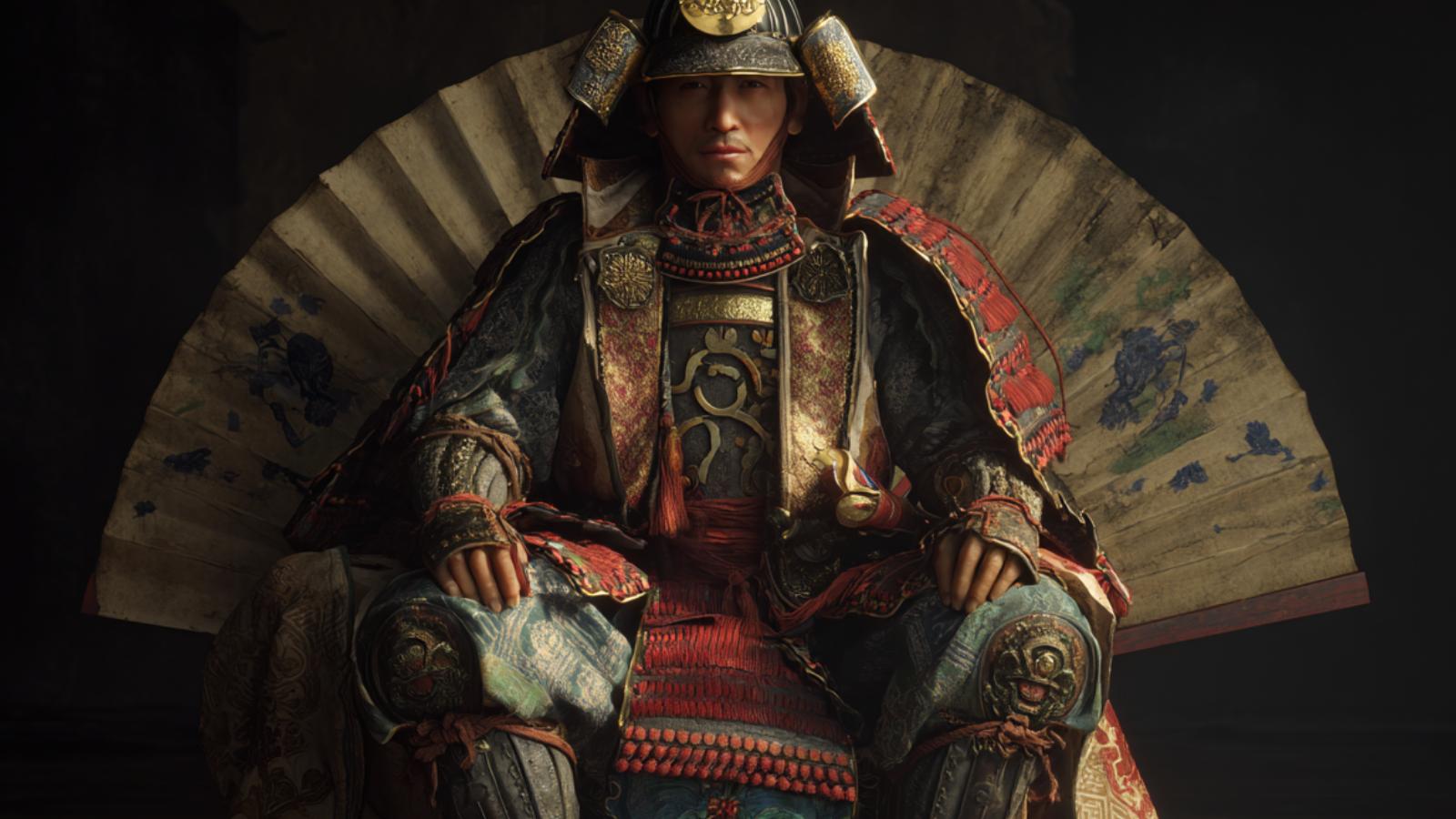
“志を持つ者は、必ず道を切り開く。”
— Those who have ambition will surely carve their own path.

| Lead 統率 |
Valor 武勇 |
Intel 知略 |
Pol 政治 |
|---|---|---|---|
| 65 | 60 | 70 | 75 |
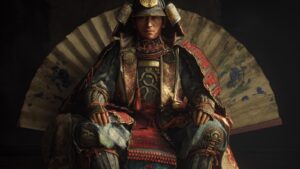
| Name (JP) | 夏目 吉信 |
|---|---|
| Title | Daimyo |
| Clan / Force | Unknown |
| Era | 1836 – 1893 |
| Origin | Kochi |
| Key Battles | |
| Arts | Haiku |
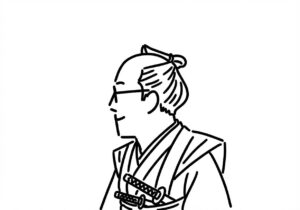
About Natsume Yoshinobu
His early education involved rigorous training in the arts of war and governance, preparing him for a future in leadership during turbulent times.
As Japan entered the tumultuous phase of the late Edo period, Yoshinobu emerged as a key figure.
He initially supported the Tokugawa shogunate but gradually found himself advocating for reforms that aligned more with the growing discontent among samurai and commoners alike.
His strong political acumen became evident as he navigated alliances and rivalries, aiming to unify the disparate factions during the Boshin War.
Yoshinobu played significant roles in several key during the Boshin War, showcasing his ability to strategize on the battlefield.
Although his forces eventually faced defeat, his resilience and tactical discussions left a mark on the military strategies of the time.
His actions during these conflicts have been studied for their emphasis on adaptability and courage in adversity.
Despite the changes brought on by the Meiji Restoration, Natsume Yoshinobus impact resonates through Japanese history.
He is remembered not just for his military endeavors but also for his commitment to the reforms that helped shape modern Japan.
His quote, 志を持つ者は、必ず道を切り開く。 serves as an inspiration for many aspiring leaders.




comment