
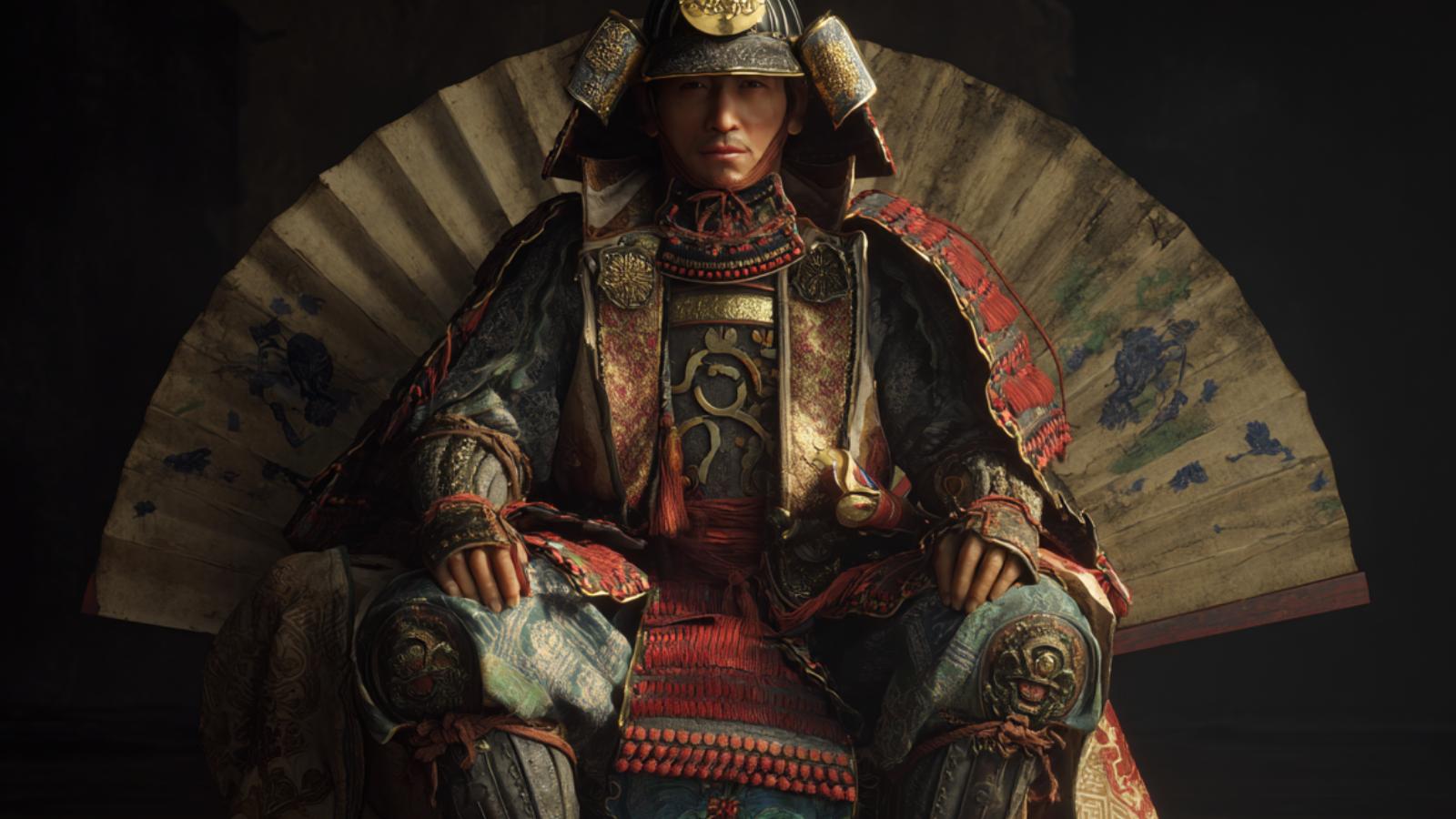
“武士の道は忠義である。”
— The way of the samurai is loyalty.

| Lead 統率 |
Valor 武勇 |
Intel 知略 |
Pol 政治 |
|---|---|---|---|
| 80 | 70 | 75 | 60 |
| Name (JP) | 南部 利直 |
|---|---|
| Title | Daimyo |
| Clan / Force | Nanbu Clan |
| Era | 1560 – 1632 |
| Origin | Mutsu |
| Key Battles | |
| Arts | Noh Theatre |
About Nanbu Toshinao
He was the son of Nanbu Nobunao, who laid the groundwork for the familys prominence.
From a young age, Toshinao was groomed for leadership and military strategy, exposed to samurai culture and the values of loyalty and honor that defined the era.
As Toshinao grew, he quickly established a reputation for his tactical acumen.
During the turbulent Sengoku period, he maneuvered through various alliances and conflicts that marked these times.
By the late 16th century, he successfully consolidated power in the Mutsu region, expanding his clan’s influence through both diplomatic channels and military might.
His as a respected daimyo was marked by his ability to maintain stability in a region often wracked by warfare.
Toshinao played a central role in several key, including the conflicts that shaped the outcome of the Sengoku period.
His ability to lead troops effectively earned him admiration from both his enemies and allies.
Moreover, his valor was evident on the battlefield, showcasing a fierce determination that resonated with those who fought alongside him.
Despite setbacks, his strategic thinking allowed him to navigate through adversities, which solidified his status among the great samurai leaders of his time.
After his death in 1632, Nanbu Toshinaos continued through his descendants, who preserved his teachings and values of loyalty and honor.
He remains a notable figure in Japanese history, symbolizing the ethos of the samurai during a transformative period.
Today, Toshinao is remembered not just as a warrior, but also as a leader who prioritized the welfare and governance of his clan, illustrating the complexities of life for a daimyo in feudal Japan.









comment