
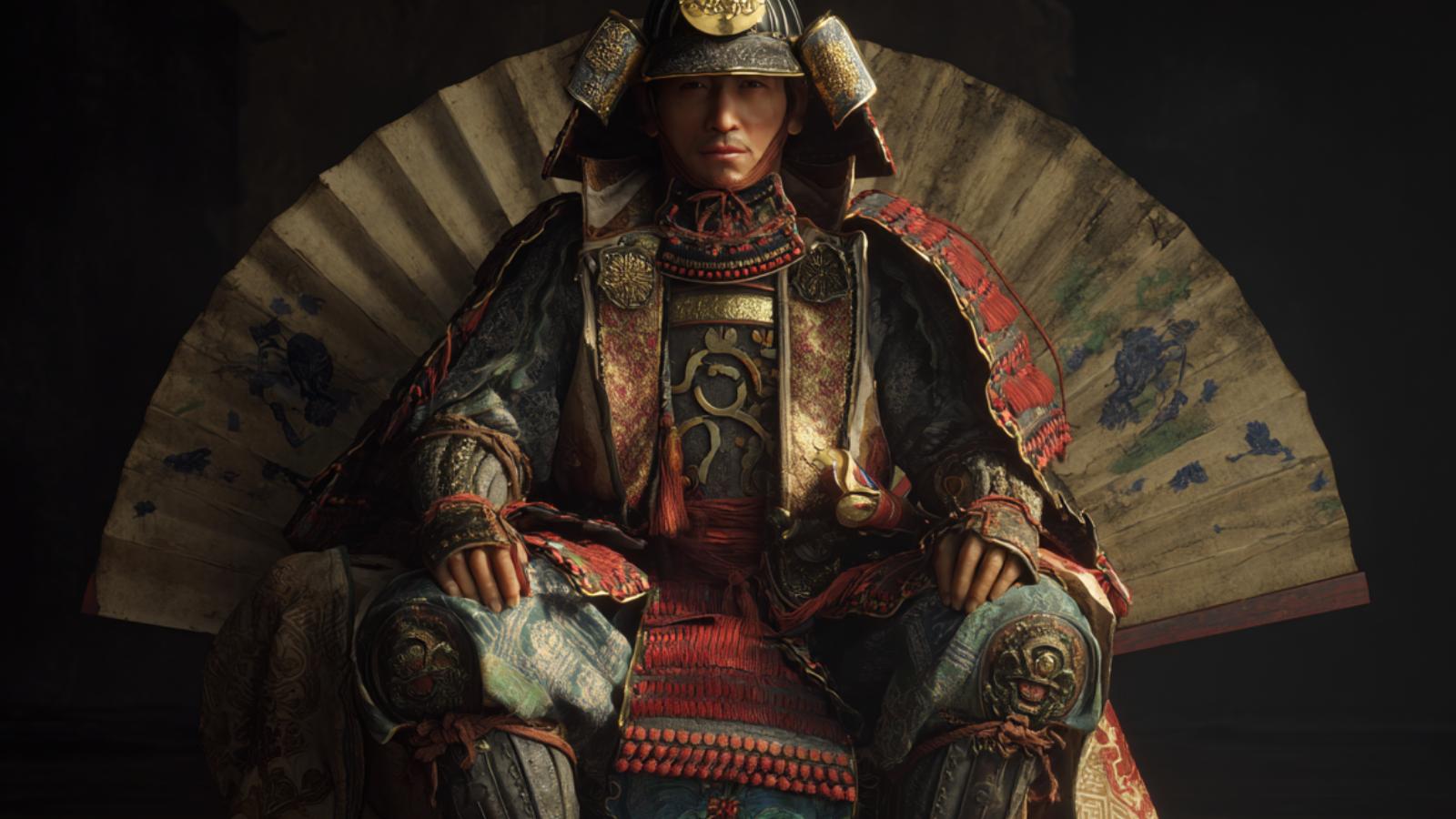
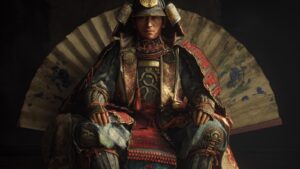
“苦しみを打ち破る時、真の力が現れる。”
— True strength reveals itself when overcoming suffering.

| Lead 統率 |
Valor 武勇 |
Intel 知略 |
Pol 政治 |
|---|---|---|---|
| 75 | 70 | 77 | 68 |
| Name (JP) | 南部 信直 |
|---|---|
| Title | Daimyo |
| Clan / Force | Nanbu Clan |
| Era | 1535 – 1614 |
| Origin | Mutsu |
| Key Battles | |
| Arts | Noh Theater |
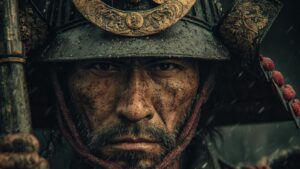
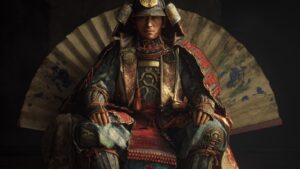
About Nanbu Nobunao
His family was originally of Shugo lineage, overseeing the region and subject to the influence of powerful neighboring clans.
From a young age, Nobunao was exposed to the complexities of feudal politics and warfare, forging a path of leadership and strategy that would define his later years.
As Nobunao matured, he quickly distinguished himself in military engagements throughout the region.
His ability to command troops and engage strategically in bolstered his standing among peers and vassals.
By the 1570s, after several conflicts against both the Uesugi and the Asakura clans, he solidified his position as hereditary leader of the Nanbu clan and expanded his territory significantly.
Nobunaos leadership during this time earned him respect as a capable general among the warlords of the Sengoku period.
Nobunao participated in numerous key, showcasing his military capabilities and valor.
His notable engagements include skirmishes against the logistical strongholds of the Uesugi clan, where his strategic insights and troop placements allowed him to achieve costly victories.
Despite facing formidable opposition, he maintained a reputation for resilience and determination, rallying his troops with his influential presence on the battlefield.
However, while he never reached the legendary status of figures like Oda Nobunaga, his consistent performance earned him admiration and loyalty among his followers.
Nanbu Nobunaos is rooted in both his military accomplishments and his governance of Mutsu.
He played a vital role in the unification efforts in the region, influencing the balance of power during the late Sengoku period.
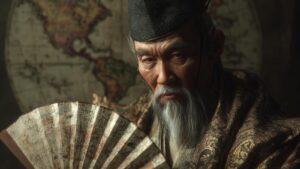
His methods of administration and incorporation of cultural arts, such as Noh theater, enriched the societal framework of his domain.
After his death in 1614, his family continued to play a significant role in Japanese history, ensuring that his contributions were not forgotten in the lore of the samurai.
The quote attributed to him, ‘True strength reveals itself when overcoming suffering, ’ reflects his character and enduring impact, eming both the warrior spirit and the wisdom of a seasoned leader.
comment