
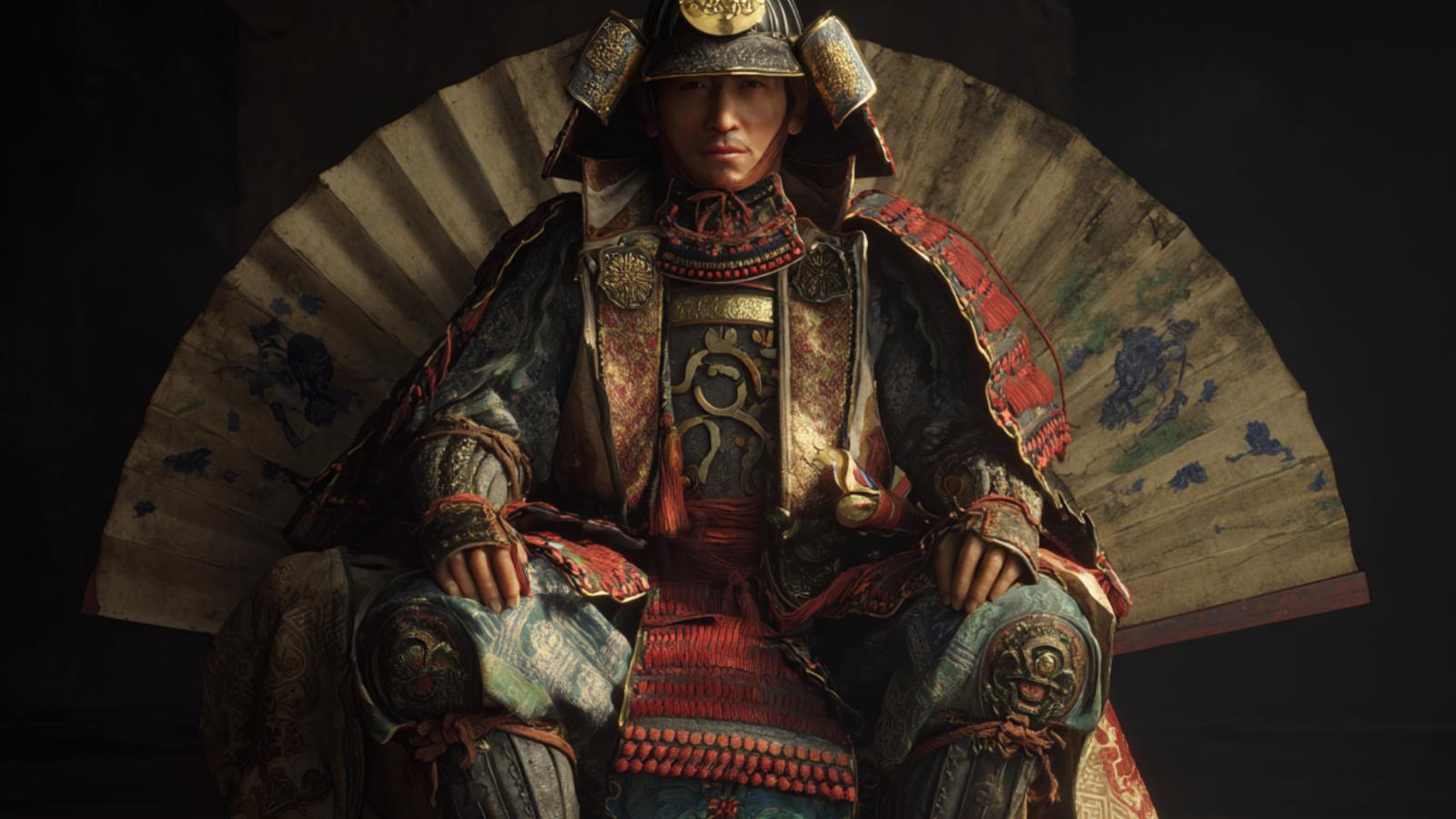
“剣術は心を開く鍵である。”
— Swordsmanship is the key that opens the heart.

| Lead 統率 |
Valor 武勇 |
Intel 知略 |
Pol 政治 |
|---|---|---|---|
| 70 | 65 | 75 | 60 |
| Name (JP) | 中条 藤資 |
|---|---|
| Title | Daimyo |
| Clan / Force | Uesugi Clan |
| Era | 1579 – 1646 |
| Origin | Sado |
| Key Battles | |
| Arts | Swordsmanship |
About Nakajo Fujisuke
From an early age, he was immersed in the traditions of bushido, and his parents ensured he received a thorough education in martial arts and strategy.
Fujisuke quickly excelled in swordsmanship, becoming known for both his technical skill and his ability to remain calm in the face of danger.
As he transitioned into adulthood, Nakajo Fujisuke began to gain recognition within the local lords ranks due to his loyalty and capability.
By the time he reached his early thirties, he had ascended to the position of a daimyo, overseeing the affairs in Sado.
His leadership was characterized by a focus on community welfare and the promotion of martial traditions among the samurai class.
Although not a military mastermind like some of his contemporaries, he possessed a keen sense of ethics and an understanding of his peoples needs.
During the civil unrest that characterized his era, Nakajo Fujisuke took part in various skirmishes to protect his province from external threats.
His approach to warfare was one of calculated strikes rather than grandiose, allowing him to maintain the delicate balance of power in the region.
His valor was evident, though he preferred avoiding large-scale conflicts unless absolutely necessary.
The impact of his decisions helped stabilize Sado during a tumultuous period of Japanese history.
Nakajo Fujisuke passed away in 1646, leaving behind a as a capable daimyo with a heart for his people.
His contributions to the development of samurai culture and governance in Sado have been remembered fondly.
To this day, respect for his martial prowess and leadership remains a point of pride in the community.
Fujisukes quote, Swordsmanship is the key that opens the heart, encapsulates his belief in the deeper purpose of martial arts – to foster understanding and connection among people.









comment