
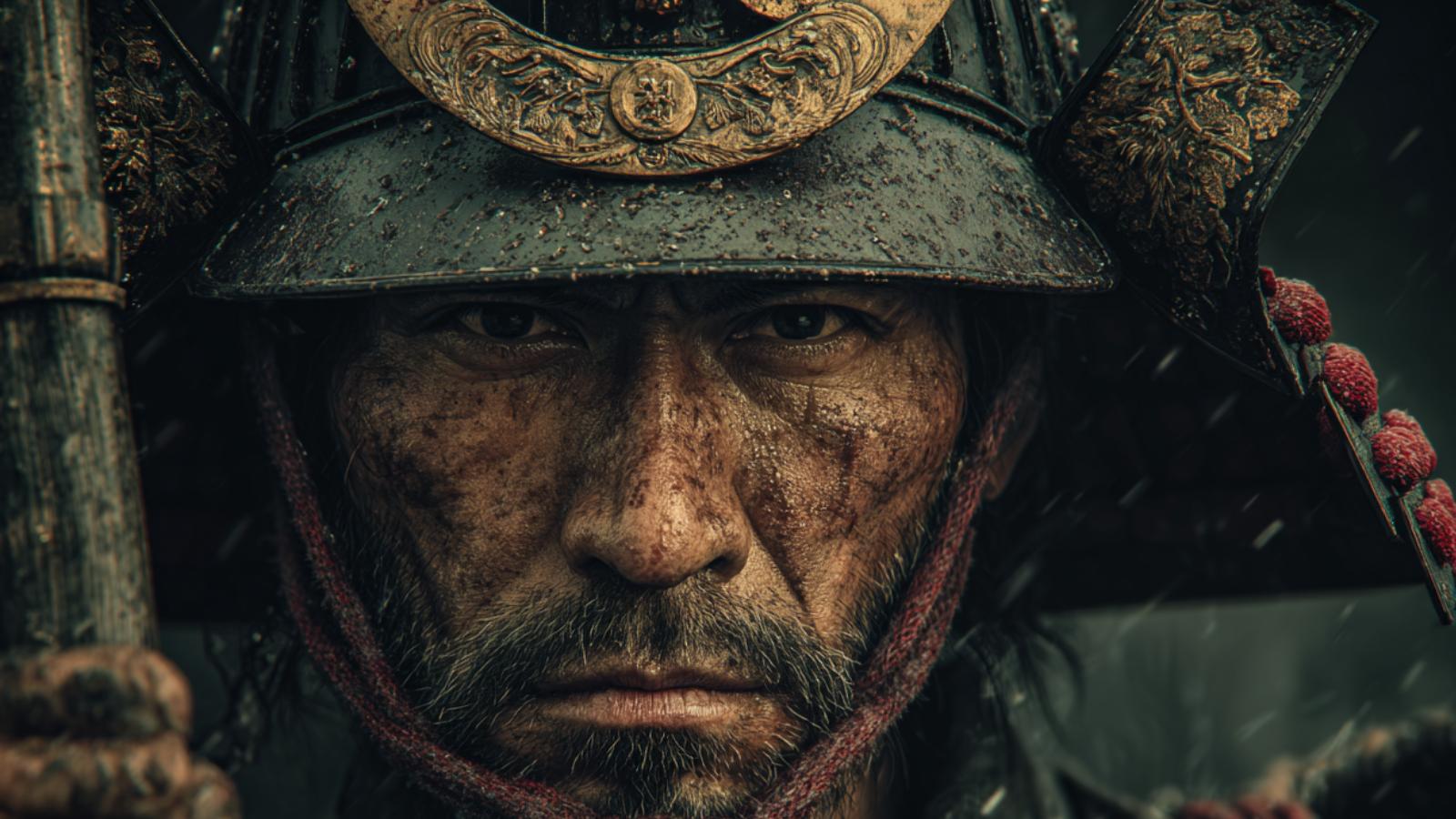
“戦場は忠義の試金石、勝利は戦略の果実。”
— The battlefield is the touchstone of loyalty, and victory is the fruit of strategy.

| Lead 統率 |
Valor 武勇 |
Intel 知略 |
Pol 政治 |
|---|---|---|---|
| 72 | 70 | 68 | 65 |
| Name (JP) | 内藤 昌豊 |
|---|---|
| Title | Chief Retainer |
| Clan / Force | Tokugawa Clan |
| Era | 1540 – 1610 |
| Origin | Echigo |
| Key Battles | |
| Arts | Noh Theatre |
About Naito Masatoyo
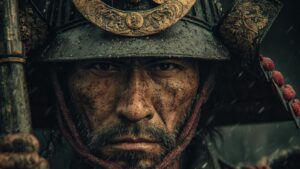
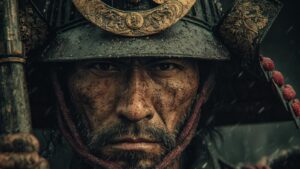
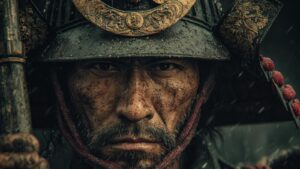
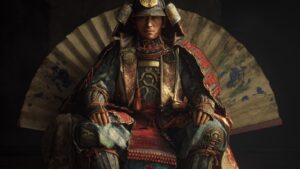
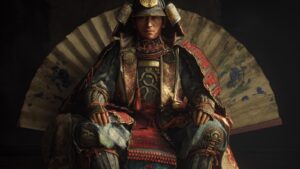
Born into a samurai family, Masatoyo was trained in the arts of warfare and the code of bushido from a young age.
His family had a long history of service to the Uesugi clan, establishing a strong sense of duty and loyalty that would define his life.
As Masatoyo matured, he quickly gained recognition for his skills in battle, participating in various conflicts that characterized the tumultuous Sengoku period.
His commitment to the Uesugi clan earned him the of chief retainer, a role that not only required martial ability but also a talent for strategic oversight.
He was instrumental in numerous campaigns against rival clans, showcasing both his valor and tactical prowess.
Masatoyo fought valiantly in such as the Siege of Kawanakajima, where the Uesugi fought against Takeda Shingen.
His leadership was vital in coordinating troop movements and ensuring the clan maintained a strong defensive posture.
His personal combat strength was notable, allowing him to rally his men in the heat of battle.
Despite facing numerous challengers throughout his career, Naito Masatoyo is remembered as a reliable and skilled warrior of the Uesugi clan.
His contributions to the clan’s military endeavors solidified his reputation as a capable and stalwart retainer.
After his death in 1610, his continued through the stories of loyalty and bravery, forever etched in the annals of samurai history.
While he might not have been as renowned as some of his contemporaries, his dedication to his clan and his martial abilities left an indelible mark on the history of the Sengoku period.
comment