
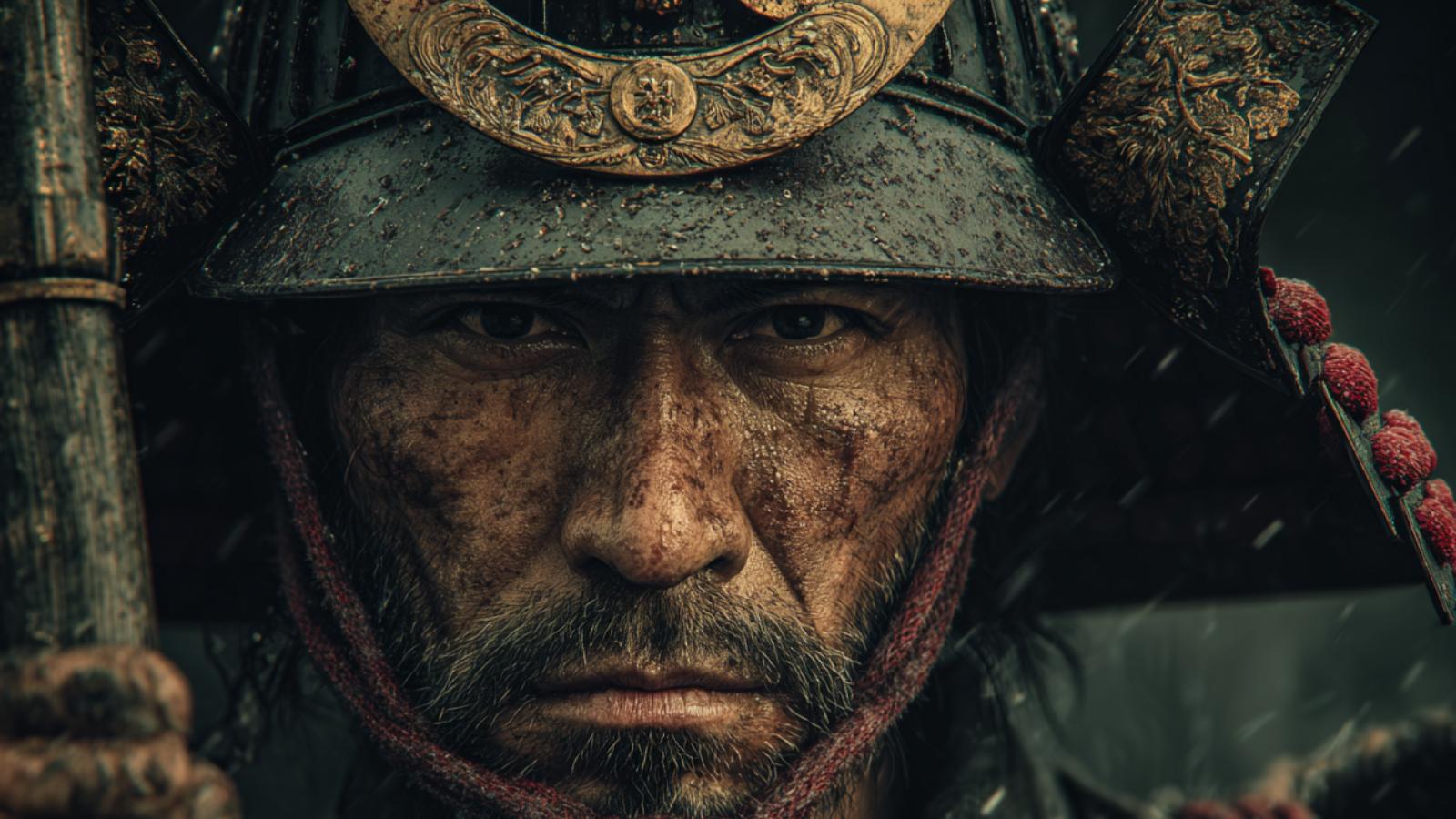
“武士の心、刀に宿る。”
— The heart of a warrior resides in the sword.

| Lead 統率 |
Valor 武勇 |
Intel 知略 |
Pol 政治 |
|---|---|---|---|
| 78 | 85 | 72 | 67 |
| Name (JP) | 長曽祢 虎徹 |
|---|---|
| Title | Master Swordsmith |
| Clan / Force | Toyotomi Clan |
| Era | 1560 – 1630 |
| Origin | Mutsu |
| Key Battles | |
| Arts | Swordmaking |
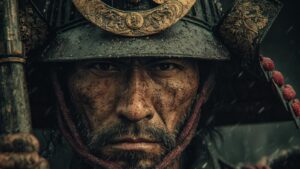
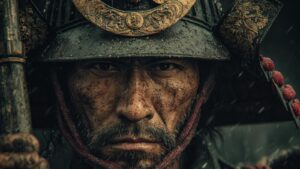
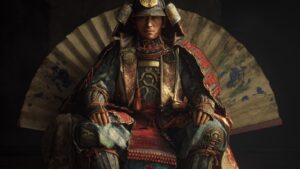
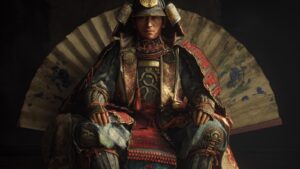
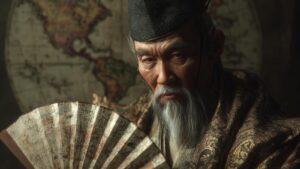
About Nagasone Kotetsu
From a young age, he was immersed in the art of swordmaking, taught by skilled craftsmen who recognized his innate talent.
His family, though not of noble lineage, valued the bushido spirit, and Kotetsu absorbed these teachings as he honed his craft.
By the late 16th century, Kotetsu began to gain prominence as a swordsmith, creating blades that were not only aesthetically pleasing but also functionally superior.
His swords became the choice of numerous samurai, distinguished for their ability to maintain a sharp edge and their perfect balance.
This recognition allowed him to work closely with notable warlords, as they sought his craftsmanship for their katanas, further elevating his status in the samurai community.
Although he was primarily a craftsman rather than a warrior, the tumultuous Sengoku period saw various conflicts as clans vied for power.
The blades crafted by Kotetsu were used in many, each symbolizing the strength and valor of the samurai.
His reputation continued to flourish amidst the chaos of war, as every weapon he forged bore his indelible mark, signifying quality and mastery.
Nagasone Kotetsus endures to this day, with his swords considered among the finest in Japanese history.
His work is a testament to the spirit of the samurai, echoing through centuries as a symbol of excellence in craftsmanship.
Collectors prize his swords, honoring the lineage of a master smith whose influence is felt in both martial and artistic realms.
comment